


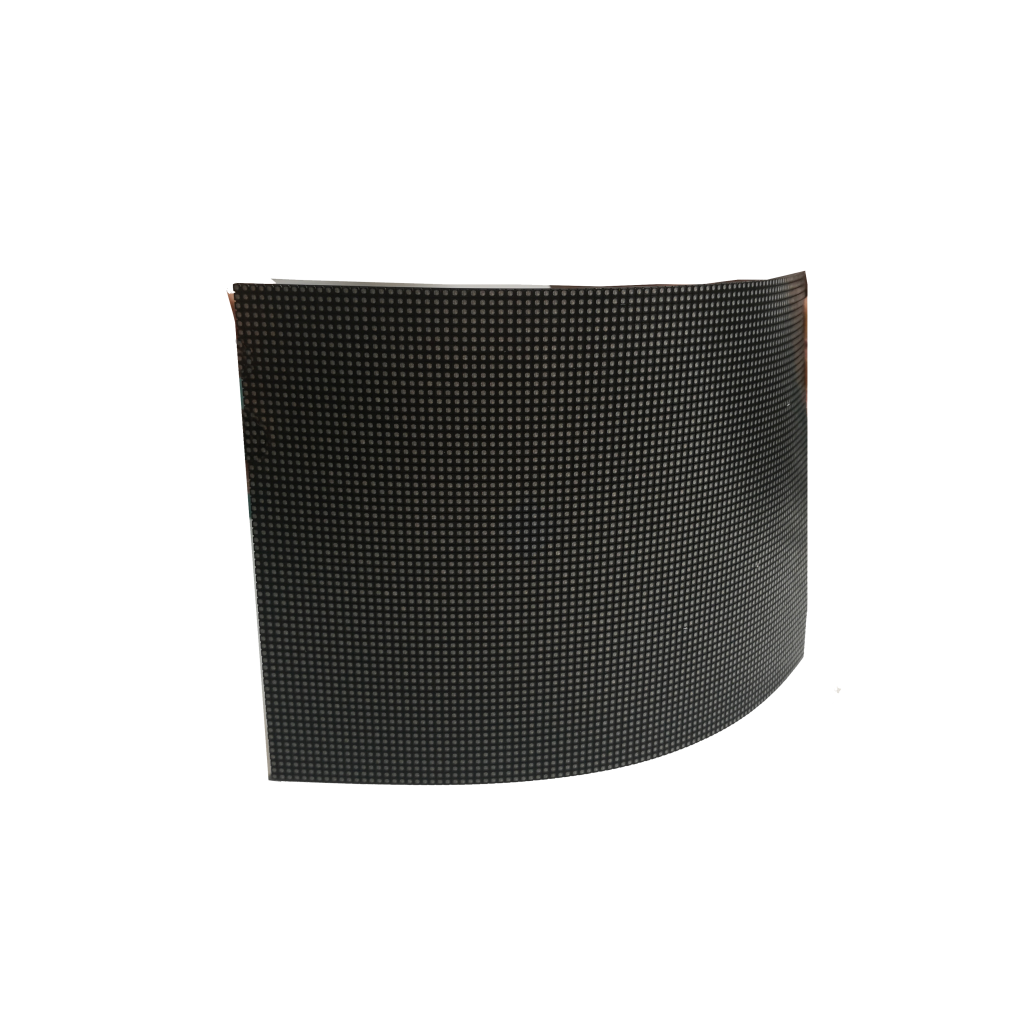


When selecting Video Wall LED suppliers, buyers should evaluate 6 key criteria: product quality (98% color accuracy), pixel pitch (ranging from 0.9mm to 3mm), brightness (500-1500 nits), energy efficiency (30% lower power consumption), after-sales support (24/7 technical assistance), and customization options (tailored sizes and shapes). Prioritizing these ensures optimal performance and long-term value.
Brightness and Clarity
Standard indoor LED walls typically need 500–1,000 nits, while outdoor installations require 1,500–5,000 nits to combat sunlight glare. But brightness alone isn’t enough—color accuracy (measured in Delta E ≤3) and contrast ratios (≥3,000:1) ensure vivid, true-to-life images. Cheap panels often cut corners here, leading to washed-out colors or uneven brightness across the screen.
For example, a 2.5mm pixel pitch screen running at 1,200 nits with 97% DCI-P3 color gamut coverage will outperform a generic 1,500-nit panel with poor color calibration. The difference is stark in real-world use: a retail store using a high-clarity LED wall saw a 22% increase in customer engagement compared to a standard display. Meanwhile, a control room with inconsistent brightness reported 15% more operator errors due to eye strain.
A 500-nit screen running 12 hours/day consumes ~40% less energy than a 1,000-nit equivalent, saving roughly $1,200/year in electricity for a 10 sq.m. display. However, skimping on brightness for energy savings can backfire—low-nit screens in bright environments force operators to crank up brightness, negating savings.
High-quality LEDs maintain <5% brightness degradation over 50,000 hours, while cheaper alternatives drop 20–30% in half that time. This degradation isn’t linear; screens used in 24/7 operations (e.g., stock exchanges) often show visible dimming patches within 18 months if built with inferior diodes.
Here’s a quick comparison of common brightness/clarity trade-offs:
| Scenario | Recommended Brightness | Key Metric | Cost Impact |
|---|---|---|---|
| Indoor corporate lobby | 800–1,200 nits | Delta E ≤2, 4K resolution | +12–18% panel cost |
| Outdoor digital billboard | 3,000–5,000 nits | 10,000:1 contrast ratio | +25–40% power consumption |
| Control room (24/7 use) | 600–900 nits | 50,000-hour lifespan | -8% energy vs. 1,200-nit |
IA 10% higher initial spend on a superior panel often pays off in 3–5 years through reduced maintenance, energy savings, and better audience retention.
Energy Efficiency Matters
A typical 5 sq.m. indoor LED wall running at 800 nits consumes around 3,000–4,500 watts per hour, translating to 3,500 annually in electricity costs for 12-hour daily operation. However, newer energy-efficient models with intelligent power management can cut consumption by 25–40%, saving operators 1,400 per year without sacrificing brightness or performance.
For example, a high-efficiency SMD LED panel running at 700 nits may use only 180 watts per sq.m., while an older DIP LED equivalent at the same brightness guzzles 280 watts per sq.m. Over a 5-year lifespan, that difference adds up to $6,000+ in energy savings for a medium-sized 15 sq.m. installation.
Heat dissipation also plays a role—panels with poor thermal design waste 8–12% more power as excess heat, which not only hikes electricity bills but also shortens LED lifespan by 15–20%. In contrast, well-engineered video walls with active cooling systems maintain stable temperatures, keeping power draw consistent and extending diode life beyond 80,000 hours.
Some manufacturers advertise “low power” specs based on ideal conditions, but real-world usage—especially in 24/7 operations—reveals spikes up to 30% higher than rated values. Reliable suppliers provide certified energy ratings (like Energy Star or TCO) with ≤10% deviation between lab tests and actual usage.
Here’s how different efficiency features impact long-term costs:
- Dynamic dimming (auto-adjusts brightness based on ambient light): Reduces power use by 18–25% in mixed-lighting environments.
- High-efficiency power supplies (90%+ conversion rate): Lowers energy loss by 5–8% compared to standard 80%-efficient units.
- Optimized pixel drive technology: Cuts unnecessary power leakage, saving 50–100 watts per sq.m. in always-on applications.
A 10–15% upfront cost premium for a high-efficiency LED wall typically pays back in 2–3 years through lower operating expenses. And with electricity prices rising 4–7% annually in most markets, that ROI only improves over time. Ignoring efficiency means locking in higher fixed costs—while competitors using smarter tech reap the savings.

Pixel Pitch Options
A 1.2mm pitch screen looks razor-sharp at 3 feet, while a 3mm pitch requires 10+ feet to achieve similar clarity. But tighter pitches aren’t always better: they drive up price (a 1.5mm panel costs 35–50% more per sq.m. than a 2.5mm equivalent) and demand higher brightness (800+ nits) to compensate for reduced light output per diode.
For retail stores with viewers at 4–8 feet, a 1.8–2.5mm pitch balances detail and budget, offering 72–90 PPI (pixels per inch)—enough for crisp text and 4K content. Go smaller, and you’re paying for invisible precision; go larger, and logos/text turn fuzzy. In stadiums or conference halls, where audiences sit 15–30 feet away, 3–4mm pitches work fine at 30–50 PPI, cutting costs by 20–30% versus sub-2mm options.
A 1.2mm wall has 4.3x more LEDs per sq.m. than a 2.5mm screen, raising failure risks—each 0.5mm decrease in pitch increases repair costs by 12–18% over 5 years. Heat management gets trickier too: dense LEDs in tight pitches run 8–12°C hotter, accelerating wear if cooling is inadequate.
Here’s how viewing distance dictates ideal pitch:
- Under 6 feet: ≤1.5mm (e.g., luxury boutiques, control rooms)
- 6–15 feet: 1.8–2.5mm (e.g., corporate lobbies, classrooms)
- 15+ feet: ≥3mm (e.g., arenas, outdoor billboards)
Video-heavy displays mask pitch limitations better than text/graphics. A 2mm pitch showing sports footage at 20 feet appears flawless, but spreadsheets or CAD designs reveal pixelation. For mixed use, test your content on sample panels—what looks good in a vendor’s demo reel may disappoint in real applications.
A 2mm pitch 1080p screen needs 8 sq.m. to match the detail of a 55″ 4K LCD, while a 1mm pitch does it in 4 sq.m.—but costs 2.5x more. Always match pitch to actual usage, not specs alone. Overbuying wastes money; underbuying frustrates users.
While 1.2mm pitches dominate today’s high-end market, 0.9mm micro-LEDs are coming—but at 3x current prices. For most buyers, 1.8–2.5mm offers the best 5–7 year viability before tech shifts demand upgrades.
Reliable After-Sales Support
30% of buyers regret their supplier choice within 18 months, often due to slow response times (48+ hours for critical issues) or expensive out-of-warranty repairs (400 per service call). A vendor with 24/7 technical support and <12-hour onsite response for emergencies can reduce downtime by 60–80%, keeping your display running smoothly for its full 50,000–100,000-hour lifespan.
Top-tier suppliers offer 3–5 years coverage on LEDs and power supplies, with ≤5% failure rates during that period. Cheaper alternatives often provide 1–2 years limited warranties but hide clauses like “excludes labor costs” or “only covers complete panel failure”—leaving you to pay 200/hour for basic troubleshooting. Look for warranties that include on-site service, spare parts, and software updates, not just hardware replacements.
LED modules failing after 3–4 years is common, but if your supplier has discontinued that model, you might face 4–6 week waits for custom orders or worse—forced upgrades at 70–90% of original system cost. Reliable vendors stock ≥85% of replacement components for 5+ years, with standardized designs that allow easy swaps without recalibrating the entire wall.
A 2023 industry survey found 42% of control system issues stemmed from outdated firmware or incompatible updates. Good suppliers provide automatic update notifications, backward compatibility checks, and remote diagnostics—saving 3–5 hours of manual troubleshooting per incident.
Training quality separates adequate support from exceptional. Vendors offering 8–16 hours of free staff training see 45% fewer user-error service calls compared to those handing over a manual and walking away. Bonus if they provide annual refresher courses (1,500 value) to keep your team updated on new features.
Outsourced service centers typically have 25–40% longer resolution times and higher misdiagnosis rates (15–20%) versus manufacturer-trained teams. Paying 10–15% more upfront for a supplier with direct support often pays off when you need a technician who knows your specific panel’s firmware quirks.
Response time guarantees should be in writing. The best contracts specify:
- <1 hour for remote diagnostics on critical issues (e.g., complete display failure)
- <24 hours for onsite repairs in major metro areas
- <72 hours for non-urgent fixes (e.g., single module replacement)
Spare part pricing transparency prevents nasty surprises. Ask for a pre-negotiated service menu listing:
- LED module replacements: 180 per unit (vs. $250+ spot market)
- Power supply swaps: 300 (including labor)
- Control system repairs: 150/hour (capped at 2 hours for diagnostics)
Proactive monitoring services (offered by 20% of premium suppliers) use IoT sensors to predict failures 2–3 weeks in advance, reducing unplanned downtime by 75%. These typically cost 2,000/year but prevent 15,000 in emergency repairs over a display’s lifespan.
Allocate 8–12% of your total budget for premium support packages; they typically deliver 300–500% ROI in avoided downtime and repair costs over 5 years.
Customization Flexibility
28% of corporate buyers discover post-installation that their “standard” video wall fails to integrate properly with architectural elements, leading to 15–30% wasted display area or 20,000 in retrofitting costs. The right customization approach balances practical needs with budget realities.
While most suppliers offer fixed 500×500mm or 1000×1000mm panels, premium providers deliver 50mm incremental sizing—critical when fitting displays between structural columns or under soffits. A 4.2m wide lobby display using precisely sized panels eliminates the unsightly gaps that plague 1 in 5 installations, while reducing installation time by 40%.
Commercial-grade systems should maintain consistent pixel pitch across 15–30° arcs without brightness drop-off at joints. A properly executed 5m radius curved wall enhances viewer immersion, increasing content recall by 22% compared to flat installations. However, each 1m reduction in radius adds 7–12% to panel costs—making thorough space planning essential.
The most effective solutions embed capacitive touch (10–40 points per panel) or RFID readers directly into the LED surface, avoiding the 30–50% brightness reduction caused by overlay films. Retailers using integrated touch report 3× higher engagement rates, justifying the 15–20% cost premium.
Structural considerations prevent costly compromises. Key features include:
- 35–45mm ultra-thin profiles for flush wall mounting
- Reinforced frames for cantilevered sections
- IP54-rated seals for high-humidity areasProjects ignoring these needs face 32% higher first-year maintenance costs.
Demand processors that handle mixed 4K/8K/1080p inputs and dynamic power zoning—features that reduce energy use by 18–25% while maintaining visual consistency.
Cost drivers follow clear patterns:
- Every 10% size deviation from standard panels adds 4–7% to price
- Interactive features require 12–15% higher brightness to compensate for sensor layers
- Complex shapes extend production time by 3–5 weeks


![How to Choose a Flexible LED Display [Buyer's Guide]](https://www.szradiant.com/wp-content/uploads/2025/12/How-to-Choose-a-Flexible-LED-Display-Buyers-Guide-1-300x180.jpg)


