


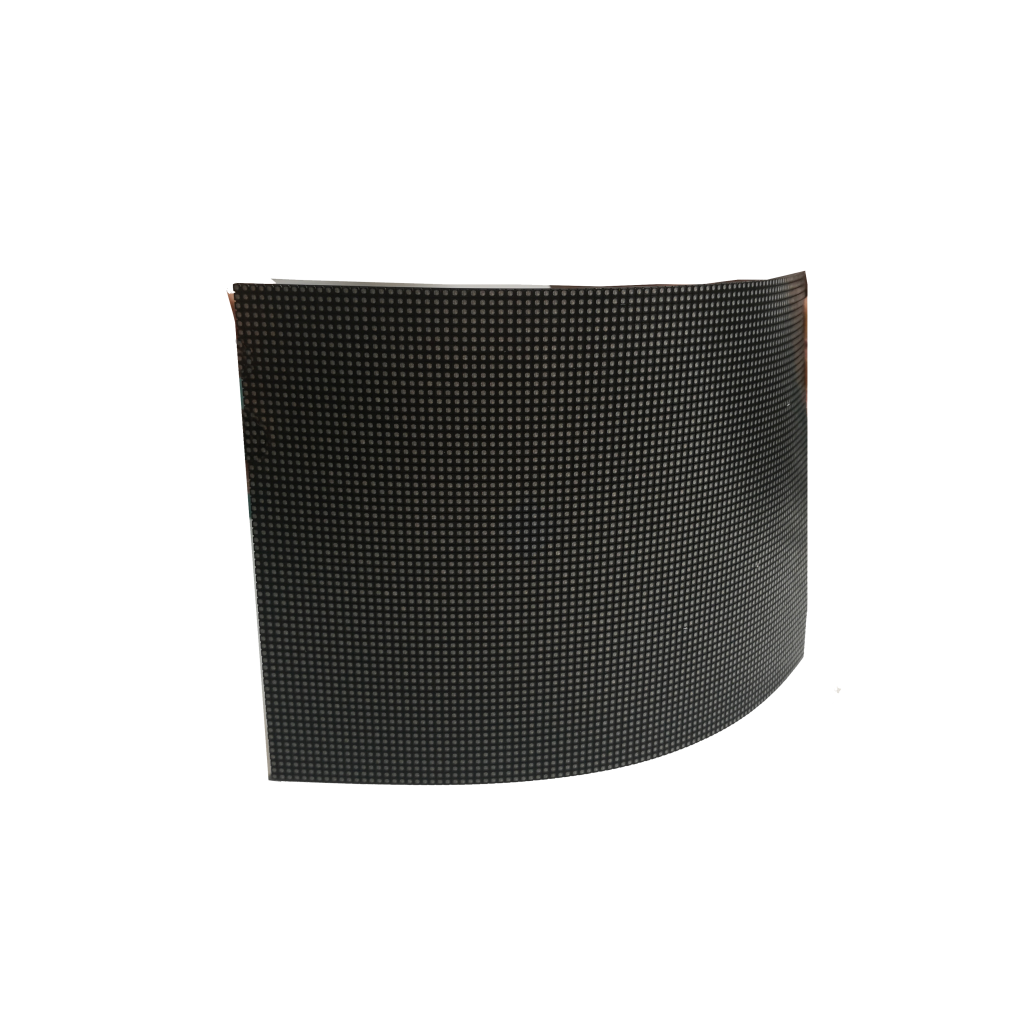


Designing customized LED display solutions involves 6 key steps: 1) Assess needs (e.g., indoor/outdoor, size, pixel pitch 2mm-20mm), 2) Select panel type (flexible, transparent, or rigid), 3) Choose resolution (4K to 16K for high-clarity), 4) Integrate control systems (synchronized content), 5) Test durability (IP65 waterproof for outdoors), and 6) Install with maintenance plans (lifespan 50,000-100,000 hours). Tailor each step for optimal performance.
Understand Your Needs
A mismatch between what you need and what you buy leads to wasted budgets—up to 30% higher costs from overspecification or poor performance from underspecification. Start by asking: Where will it be installed? Indoor displays typically run at 800-1,500 nits, while outdoor screens need 5,000+ nits to combat sunlight. Next, determine the viewing distance—this dictates pixel pitch. For example, a 2mm pitch works for close-up retail displays (1-3m viewing), while a 10mm pitch suits stadiums (10m+).
Content type also matters. A 4K resolution (3840×2160) is ideal for video ads, but a lower resolution (1920×1080) may suffice for text-heavy info boards. Energy efficiency is another factor—a 50 sqm LED wall running 12 hours/day consumes about 18,000 kWh/year, costing roughly 0.15/kWh). If budget allows, energy-saving models cut consumption by 20-30%.
Don’t overlook environmental conditions. Outdoor displays need IP65-rated waterproofing and -30°C to 50°C operating ranges, while indoor units prioritize anti-glare coatings and low fan noise (<35dB). Finally, consider refresh rates—≥3,840Hz prevents flicker in high-speed camera recordings, crucial for sports venues.
Here’s a quick reference for common scenarios:
| Use Case | Brightness (nits) | Pixel Pitch (mm) | Lifespan (hours) | Power (W/sq.m) |
|---|---|---|---|---|
| Retail Indoor | 800-1,500 | 1.5-3 | 60,000 | 300-500 |
| Outdoor Billboard | 5,000-8,000 | 6-10 | 50,000 | 700-1,200 |
| Control Room | 1,000-2,000 | 0.9-1.5 | 100,000 | 400-600 |
Once you’ve locked in these specs, you’re ready to choose the right hardware—without guesswork.
Choose the Right Type
A rental-stage LED panel built for temporary concerts won’t survive 5 years of 24/7 outdoor advertising, just as a fixed-installation screen would be overkill for a 3-day trade show. The wrong choice can inflate costs by 40% or more in unnecessary hardware or maintenance.
For indoor applications, the most common options are SMD (Surface-Mounted Device) LEDs, which offer higher pixel density (up to 1mm pitch) and wider viewing angles (160°+), making them ideal for control rooms or retail displays. COB (Chip-on-Board) LEDs are gaining traction for superior durability (50% fewer dead pixels vs. SMD over 5 years) but cost 20-30% more upfront. If you need transparency (e.g., store windows), LED mesh panels provide 30-70% light transmission while maintaining 5,000+ nits brightness, though at a premium price of $800-1,200 per sqm.
Conventional DIP (Dual In-line Package) LEDs dominate here, with IP68 waterproofing and 10,000+ nits brightness for highways or stadiums. However, they’re bulkier (80-120mm thick) and power-hungry (1,000W+ per sqm). Newer GOB (Glue-on-Board) SMD LEDs are slimmer (50mm thick) and 30% more energy-efficient, but their anti-UV coatings add 15% to the cost. For curved installations (e.g., cylindrical buildings), flexible LED strips with 5-10mm bend radii are viable, though their lifespan drops to 40,000 hours (vs. 60,000+ for rigid panels).
Here’s a cost/performance breakdown for quick comparison:
- SMD Indoor Panels: $300-600/sqm | 60,000hrs | 1.5-3mm pitch
- COB Indoor Panels: $700-1,000/sqm | 80,000hrs | 0.9-1.5mm pitch
- DIP Outdoor Panels: $500-900/sqm | 50,000hrs | 6-10mm pitch
- GOB Outdoor Panels: $1,000-1,500/sqm | 70,000hrs | 3-6mm pitch
Hybrid solutions are emerging too. For example, transparent LED glass combines 55% transparency with 4K resolution, but requires custom framing (50-120 per sqm.
Front-serviceable panels save 50% on repair time compared to rear-access models, crucial for high-traffic areas like airports. Conversely, sealed outdoor cabinets need 2-3x more cooling power (500-800W per cabinet) to prevent overheating in desert climates.
A corporate lobby might prioritize 4K COB panels for 10-year reliability, while a nightclub could opt for rental SMDs with 3,840Hz refresh rates to sync with strobe lights. Test samples under real-world conditions—like 12 hours of continuous playback—to catch issues like color drift (>5% Delta E) or uneven brightness (±10% variance) before committing.

Pick Resolution & Brightness
A 4K screen (3840×2160) in a small conference room is overkill if viewers sit 3+ meters away, just as a 1080p display (1920×1080) in a 10m-wide stadium will look pixelated. Similarly, brightness that’s too low (<800 nits indoors) makes content hard to see, while excessive brightness (>8,000 nits for indoor lobbies) wastes energy and causes eye strain.
For example, a 1.5mm pitch screen requires viewers to stand at least 1.5m away to avoid seeing individual pixels, while a 10mm pitch is readable from 10m+. The optimal brightness depends on ambient light: Indoor displays need 800-1,500 nits for offices and 2,000-3,000 nits for sunlit atriums, while outdoor billboards demand 5,000-10,000 nits to compete with direct sunlight.
A 50 sqm outdoor LED wall running at 7,000 nits consumes ~1,200W per sqm, costing 0.15/kWh, 12h/day). Dynamic brightness control (auto-adjusting to ambient light) can cut power use by 20-30%, saving 4,500 per year on large installations.
High refresh rates (≥3,840Hz) prevent flicker in slow-motion video or camera recordings, crucial for sports venues and broadcast studios. Meanwhile, color uniformity (measured in Delta E <3) ensures consistent hues across the screen—critical for brand logos or medical imaging.
Here’s a quick reference for common scenarios:
| Application | Pixel Pitch (mm) | Brightness (nits) | Viewing Distance | Power Use (W/sqm) |
|---|---|---|---|---|
| Retail Signage | 1.5-3 | 1,000-1,500 | 1.5-5m | 300-500 |
| Stadium Screen | 6-10 | 6,000-8,000 | 10-50m | 800-1,200 |
| Control Room | 0.9-1.5 | 800-1,200 | 0.5-3m | 200-400 |
While 8K resolution (7680×4320) is still niche, its adoption is growing in luxury retail and high-end command centers. If your budget allows, opting for higher resolution than currently needed (e.g., 2.5mm pitch instead of 3mm) extends usability as content standards evolve.
Test Durability & Safety
Outdoor screens face rain, dust, and temperature swings (-30°C to 50°C), while indoor displays in high-traffic areas risk physical damage and overheating. Skimping on durability testing can lead to 30% higher maintenance costs in the first year alone.
IP65 (dust-tight and water-resistant) is the minimum for outdoor use, but coastal areas need IP67 (temporary immersion protection) to resist salt corrosion. For subway tunnels or industrial zones, IP68 (continuous underwater protection) is non-negotiable. Indoor displays in dusty warehouses should still meet IP54 to prevent particle buildup in vents.
A quality display should start up instantly at -20°C and run at full brightness for 12+ hours in 45°C heat without throttling. Humidity tests (85% RH for 96 hours) weed out panels prone to condensation shorts. For outdoor installations, UV-resistant coatings prevent color fading (>5% Delta E loss over 5 years)—critical for brand logos.
Front-serviceable panels should withstand 50kg of pressure per sqm (simulating accidental leans or bumps) without cracking. Vibration tests (5-500Hz for 2 hours) ensure highway-facing billboards won’t fail from truck-induced shaking. For rental LEDs, 500+ plug/unplug cycles on connectors verify they’ll survive frequent setups.
UL/cUL or CE certification confirms compliance with fire (flame spread <25) and shock (leakage current <3.5mA) standards. Surge protection (6kV/3kA) prevents lightning damage—a must for rooftop or stadium screens. Grounding resistance (<0.1Ω) minimizes electrocution risks in public spaces.
Accelerated lifespan testing (running panels at 150% brightness for 1,000+ hours) predicts real-world decay rates. Top-tier LEDs maintain <10% brightness drop after 50,000 hours, while cheap models degrade 20-30% faster. Color consistency tests (measuring Delta E <3 across 10 screen zones) catch uneven aging—key for video walls where mismatched panels stick out.
Here’s how failure rates stack up by environment:
- Desert (high UV/dust): 15% pixel loss at 3 years
- Tropical (high humidity): 12% corrosion failures at 4 years
- Urban (pollution/vibration): 8% connector failures at 5 years
- Indoor (controlled climate): 5% brightness loss at 7 years
Before finalizing installation, run a 72-hour burn-in test at the actual site to catch localized overheating (hotspots >10°C above ambient) or power fluctuations (±5% voltage swings). For critical applications (e.g., airports, stock exchanges), dual power inputs and modular designs let you replace failed sections without downtime.
A 5-year warranty that covers parts + labor is ideal, but many only cover dead pixels >0.3% of screen area—meaning a 4K display could have 25 dead pixels before qualifying for repair. Always verify response times (<48h for mission-critical sites) and on-site service coverage.
Install & Maintain Properly
Poor installation causes 15-20% of early failures, from thermal damage due to inadequate ventilation to image distortion from uneven mounting. Meanwhile, skipping maintenance slashes lifespan by 30-50%—a $50,000 display might only last 3 years instead of 7 without proper care.
Wall-mounted displays need steel frames rated for 5x the screen’s weight (a 500kg LED wall requires 2,500kg load capacity). For ceiling hangs, aircraft-grade cables with 10:1 safety ratios prevent disasters—a 200kg display needs 2,000kg breaking strength cables. Outdoor installations demand 316 stainless steel brackets (not cheaper 304) in coastal areas to resist salt corrosion that weakens joints by 40% in 5 years.
Every 100 sqm of LED panels generates 30,000-50,000 BTU/hour—equivalent to 10 home AC units. Active cooling systems should maintain internal temps below 35°C (ambient +15°C) with airflow >2.5m/s across all modules. In dusty environments, IP54-rated filters prevent 80% of particulate buildup that clogs fans in 6-12 months.
A 10 sqm 4K display running at 700W/sqm needs 70A circuits (not the standard 50A), with <3% voltage drop across cables. Surge protectors rated for 10kA/20kV stop 90% of power-related failures. For 24/7 operation, dual power supplies with automatic transfer switches prevent blackouts—critical for control rooms and casinos.
Professional color uniformity adjustment reduces Delta E variance to <2 across all panels, while grayscale balancing ensures 10-bit color depth accuracy. Without this, adjacent modules show visible brightness differences (>10%) after just 500 hours of use.
Maintenance follows clear cost/time tradeoffs:
- Daily: Check for dead pixels (tolerable <0.01% of total) and clean surfaces with 70% isopropyl (reduces glare by 15%)
- Monthly: Inspect connectors for corrosion (resistance should be <0.5Ω) and verify cooling fan speeds (≥2,000 RPM)
- Annual: Replace thermal paste on driver ICs (dries out after 8,000 hours) and recalibrate colors (prevents 5% annual drift)
Monitoring current draw per module spots dying drivers 3-6 months before failure—a 20% current increase often means capacitor degradation. Thermal cameras detect hotspots >5°C above neighbors indicating impending LED or IC failure.
Keeping 10% of modules in stock (e.g., 12 spares for a 120-panel wall) enables same-day repairs, while 2-year lead times on custom sizes make emergency orders cost 300% more.
Training reduces mistakes. Technicians should complete 8+ hours of hands-on practice with:
- Torque wrenches (8-10Nm for module screws)
- ESD protection (discharge <100V)
- Colorimeters (measure to ±0.5 Delta E accuracy)
Annotated maintenance logs showing gradual brightness decline (e.g., 2% per year) help justify replacement timing.
Smart installations now use IoT sensors tracking:
- Real-time power efficiency (W/cd/m²)
- Vibration levels (alerts if >0.5g)
- Environmental corrosion rates (via resistance probes)
Installation typically costs 20-30% of hardware price, while proper maintenance runs 5-8% annually of initial cost. Cheaping out here turns a 10-year investment into a 5-year money pit.
The difference between a display that lasts decades versus one that fails prematurely comes down to installation precision and Follow these steps, and your screen will outlive its competitors—while looking better doing it.


![How to Choose a Flexible LED Display [Buyer's Guide]](https://www.szradiant.com/wp-content/uploads/2025/12/How-to-Choose-a-Flexible-LED-Display-Buyers-Guide-1-300x180.jpg)


