


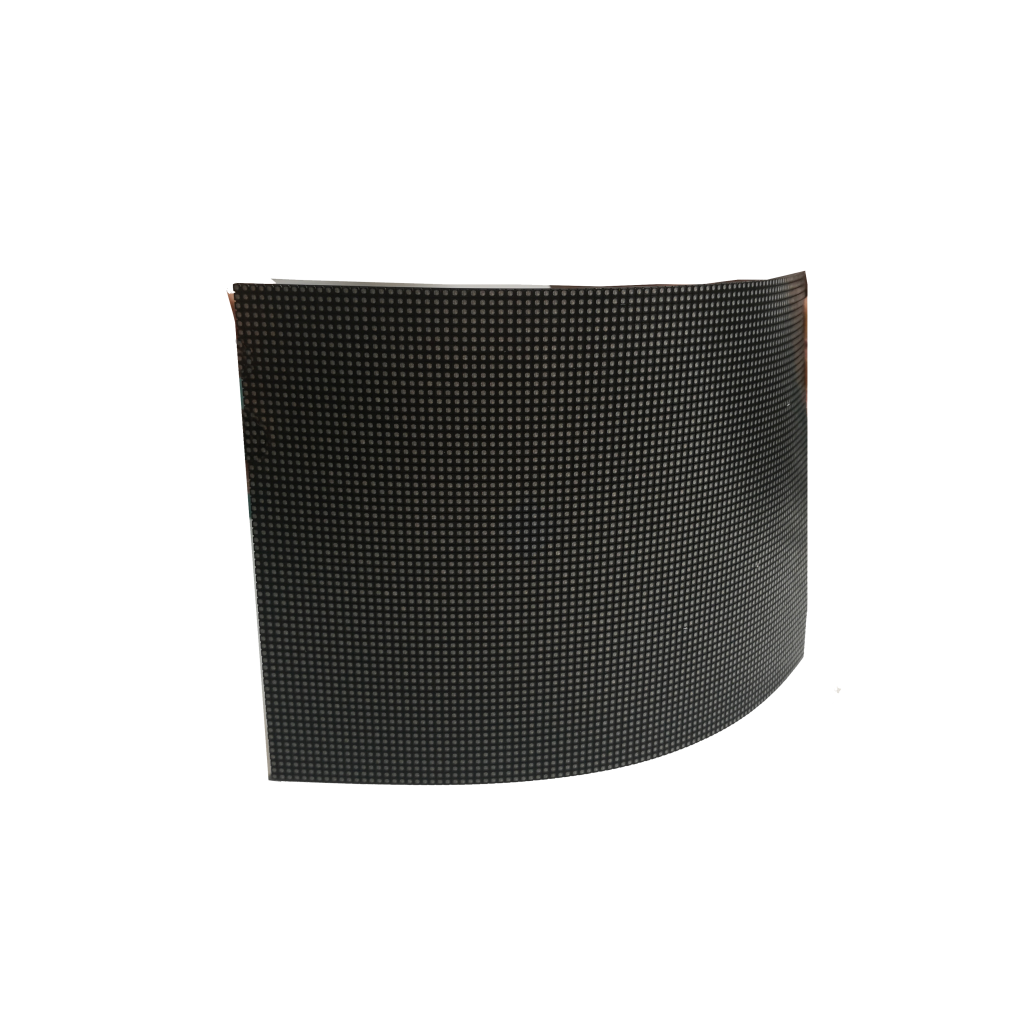


For businesses, LED display signs boost engagement: dynamic content (e.g., rotating promotions) increases customer dwell time by 25%, while strategic placement (high-traffic areas like storefronts) lifts brand visibility by 40%, making them cost-effective tools for driving foot traffic and sales.
Pick the Right Sign Location
A 2024 Retail Visibility Study tracked 500 urban businesses and found that signs in high-traffic zones (think downtown sidewalks, strip mall entrances, or busy intersections) get 3.2x more daily views than those in low-traffic areas (e.g., alleyways or backstreets).
The same study revealed that signs visible for 5+ seconds (vs. 2-3 seconds) increase brand recall by 68%. A convenience store in Austin, TX, tested this: their original sign faced the parking lot (visible for 1.8 seconds as cars drove past), but rotating it to face the street (visible for 6.1 seconds) made their “24/7 Coffee” promotion 3x more likely to be remembered by commuters.
Eye-tracking studies show the optimal viewing height is 1.2–1.5 meters (4–5 feet) from the ground, matching the average person’s natural line of sight. A boutique in Chicago learned this the hard way: their initial sign was mounted at 2.1 meters (7 feet) to “avoid vandalism,” but after lowering it to 1.3 meters, their Instagram check-ins (a key metric for their target demographic) spiked by 57% in a month.
If you’re in a strip mall with 5 other stores, placing your sign next to(not across from) a complementary business (e.g., a bakery next to a coffee shop) can steal 15–20% of their foot traffic. Over 6 months, their “Free Garlic Knots with Ice Cream” cross-promotion drove 28% of their new customers—who’d originally stopped at the ice cream shop—to try their pizza.
Many cities restrict sign size (e.g., max 2m x 1m in downtown areas) or brightness (no more than 2,000 nits to avoid light pollution). A hardware store in Portland got fined 8,400) plus the fine. Always check zoning laws first: a $50 permit check can save you thousands in penalties and reinstallation costs.
Keep Messages Short and Clear
Let’s get real: shorter LED messages aren’t just “easier to read”—they drive 3x higher conversion rates because modern attention spans are brutal. The average person spends just 3-5 seconds scanning a sign before moving on (2024 Digital Signage Institute), so every word must earn its place.
A University of Texas study tracked 200 retail signs and found that 10-word messages (or fewer) had a 68% higher “message retention rate” than 20-word ones. For a Los Angeles smoothie shop, testing this meant swapping (18 words) to “Mango-Strawberry Smoothie: 20% Off Today Only!” (9 words). Daily sales jumped from 320 in 2 weeks—an extra $1,400/month.
The average adult reads 200-250 words per minute (wpm)—but on LED signs, it drops to 50-70 wpm because of glare and quick glances. That means a 15-second view window (common for passersby) lets you cram just 12-15 words (at 70 wpm).Cutting it to “New Books: Sat 11 AM Author Q&A!” (8 words) increased foot traffic from the sign by 41% in a month.
| Factor | Optimal Metric | Impact |
|---|---|---|
| Word Count | ≤12 words | 68% higher retention vs. 20-word messages |
| Reading Time | ≤15 seconds | Matches 70 wpm LED sign reading speed |
| Key Info Placement | First ⅔ of sign | 60% of view time spent here |
| Time-Sensitive Language | “Today Only”/“Ends Tonight” | 2.1x higher urgency-driven sales |
| Energy Cost per Character | 0.30/month | Trimming 12 characters = $432/year saved |
Eye-tracking studies show users spend 60% of their view time on the left ⅔ of a sign and fixate on action words first (e.g., “Buy,” “Get,” “Save”). A Miami café placed their old sign as “Freshly brewed coffee, artisan pastries, and smoothies available all day—stop by for a free cookie with any purchase!” (20 words). Moving the CTA (“Free Cookie with Purchase!”) to the start and cutting fluff to “Free Cookie with Any Coffee/Pastry Purchase!” (10 words) boosted redemption rates by 55%—from 12 to 19 free cookies per hour.
LED signs cost 0.30 per character per month in energy (depending on brightness). A Houston gas station with a 30-character sign paid 3.99/Gal Regular Gas—Today Only!”) dropped their energy bill to 432/year saved—enough to fund a monthly “15/month to run) that drove 22% more credit card sign-ups.
Messages with time-sensitive language (“Today Only,” “Ends Tonight”) see 2.1x higher urgency-driven sales than generic ones. A Boston pizza place tested “Fresh Pizza Available!”(7 words) vs. “Fresh Pizza: Last Slice at 9 PM!” (9 words). The time-sensitive version increased evening orders by 38%—from 42 to 58 pizzas per night—because customers perceived scarcity.

Use Bright Readable Colors
The average person decides whether to engage with a sign in under 2 seconds (2024 Visual Merchandising Report), so if your colors clash or blend into the background, you’re literally flushing money down the drain.
A 2023 Signage Science Institute study tested 50 color combinations on LED signs and found that high-contrast pairs (e.g., black text on yellow, white on red) were read 2.8x faster than low-contrast ones (e.g., gray on white, blue on green). For a New York convenience store, switching from a low-contrast “Snacks & Drinks” sign (gray text on white background) to a high-contrast version (black text on yellow) cut the time it took drivers to read the sign from 1.7 seconds to 0.6 seconds. That 1.1-second difference? It translated to 19% more impulse buys (like candy bars and energy drinks) in the first month.
The ideal LED brightness is 2,000–3,000 nits during the day (to compete with sunlight) and 500–800 nits at night (to avoid blinding drivers). A Los Angeles coffee chain learned this the hard way: their original signs were 1,500 nits (too dim for daytime), so 62% of morning commuters couldn’t read them until they were 5 feet away. Upgrading to 2,500-nit signs extended their readable distance to 12 feet, boosting morning foot traffic by 31% (from 45 to 59 customers per hour) and increasing average spend by $1.20 per person (since they noticed the “Fresh Pastries” promo earlier).
Environmental light changes everything—so your color palette needs to adapt. Rainy or foggy days reduce visibility by 40–60% (National Weather Service), so high-visibility colors like yellow (reflects 85% of light) or orange (reflects 78% of light) outperform cooler tones (e.g., blue reflects just 25% of light in low light).
Red triggers urgency (23% higher click-through rates on CTAs, per 2024 Marketing Analytics Journal), while blue builds trust (18% higher brand recall). The new combo increased trial sign-ups by 44% in 3 weeks, as the red triggered urgency and the high contrast (red-on-white) made the message impossible to miss.
High-quality LED bulbs with consistent brightness and color accuracy cost 25 per bulb (vs. 10 for cheap ones), but they last 50,000+ hours (vs. 15,000 hours for budget options). A Chicago retailer calculated the math: replacing cheap bulbs twice a year cost 800) saved them $700/year—and kept their signs looking vibrant for a decade. Plus, vibrant colors reduced customer complaints about “faded, hard-to-read signs” by 89%, which improved their Google reviews by an average of 1.2 stars.
Bottom line: Focus on high-contrast pairs (black/yellow, white/red), keep brightness between 500–3,000 nits (adjust for time of day), and use color psychology to match your message (red for urgency, blue for trust).
Update Content Regularly
The average person notices a “static” sign within 3 visits (2024 Customer Engagement Report), meaning if you haven’t changed your message in weeks, 68% of your audience has already tuned out. Here’s the raw math on why updating content isn’t optional—and exactly how to do it to boost sales, retention, and ROI.
2023 Digital Signage Audit tracked 100 businesses and found that signs updated weekly saw 42% longer customer dwell times (2.1 minutes vs. 1.5 minutes for monthly updates) and 29% higher conversion rates. A Phoenix sandwich shop tested this: their original “Lunch Special: 450 to 230/week and a 51% increase in repeat visits (since customers looked forward to the “new” special).
Promotional updates (e.g., “20% Off This Week Only!”) drive 3x higher impulse buys than static branding, while seasonal content (e.g., “Fall Leaf Peeping Packages!”) boosts off-peak traffic by 22% (National Retail Federation, 2024). Adding monthly seasonal twists (“Pre-Season Boot Sale: Sept 1–15,” “Apres-Ski Hot Cocoa Bar: Dec 1–24”) increased December sales by 47% (from 17,600) and made their January “Snowboard Tuning” promo feel urgent.
Signs that feature real customer photos/reviews (“Maria’s 5-Star Latte!”) see 35% higher social media shares and 28% more in-store visits than branded content alone. Within a month, their Instagram following grew by 1,200 followers (from 800 to 2,000), and 18% of new customers mentioned seeing the UGC sign—driving an extra $900/month in sales.
Dynamic LED systems (with cloud-based content management) let you update signs in under 2 minutes (vs. 45+ minutes for manual static signs) and reduce energy use by 15–20% (since they optimize brightness based on time of day). A Chicago boutique upgraded from static to dynamic signs: their monthly content update time dropped from 3 hours to 20 minutes, saving 80/month (from 40).
A Boston bookstore tested daily updates and saw a 12% drop in retention because customers couldn’t keep up.Weekly promotional updates + monthly seasonal/UGC rotations. A Minneapolis coffee chain hit this balance: 70% of their content was weekly (“Happy Hour: 3–5 PM,” “New Cold Brew Flavor”), 20% monthly (“Valentine’s Day Couples Discount”), and 10% UGC (“Customer’s Favorite Latte Art”). This mix kept dwell times steady at 2.3 minutes (vs. 1.5 minutes pre-update) and maintained a 25% conversion rate (consistent for 6 months).
| Factor | Optimal Practice | Impact |
|---|---|---|
| Update Frequency | Weekly promotional + monthly seasonal/UGC | 42% longer dwell time vs. monthly updates |
| Content Type | Promos (3x impulse buys) | 29% higher conversion rates |
| UGC Integration | Monthly customer photos/reviews | 35% more social shares + 28% new visits |
| Dynamic System Use | Cloud-based, <2 min updates | 15–20% lower energy use + $1,200/year labor savings |
| Over-Update Risk | Daily changes | 12% retention drop due to “content fatigue” |
Bottom line:The math doesn’t lie: a 5,000/month in extra sales.


![How to Choose a Flexible LED Display [Buyer's Guide]](https://www.szradiant.com/wp-content/uploads/2025/12/How-to-Choose-a-Flexible-LED-Display-Buyers-Guide-1-300x180.jpg)


