




Analyzing LED video wall costs? Start with panel pricing (300/sq.ft), where 4K models cost 20–30% more; add 15–25% for installation (mounting, wiring), and budget 1,200/year for maintenance (repairs, software updates) to cover long-term needs.
Panel Price and Quality Factors
First, size directly impacts price per square foot: a 2x2ft panel (common for small installations) averages 180, while a 4x4ft panel (for larger walls) jumps to 500 because it requires more LEDs and driver chips. Resolution is next: 1080p panels (1920×1080 pixels) cost 220/sq.ft, but 4K panels (3840×2160 pixels)—which need 4x more pixels—run 300/sq.ft, a 40–50% premium. For context, a 100 sq.ft 1080p wall uses ~2 million pixels, while the same size 4K wall crams in 8 million, hence the cost hike.
SMD (Surface-Mounted Device) panels, the industry standard, cost 250/sq.ft. They’re cheaper upfront but have slightly lower brightness (1,000–1,500 nits) and require more frequent maintenance—about 1–2 pixel repairs per 1,000 hours of use. COB (Chip-on-Board) panels, where LEDs are directly mounted on the circuit board, run 380/sq.ft (a 55–50% premium) but pack brighter output (1,800–2,500 nits) and have denser pixel spacing (P1.2 vs. P1.5 for SMD), reducing “screen door effect.” They also last longer: COB panels often have a 100,000-hour lifespan vs. SMD’s 80,000 hours, cutting long-term replacement costs by ~20%.
Brightness needs vary by environment: indoor panels (1,000–1,500 nits) are cheaper at 220/sq.ft, while outdoor panels (2,000–2,500 nits)—built with anti-glare coatings and weatherproofing—cost 380/sq.ft, a 75–70% jump.Outdoor panels need to maintain visibility in direct sunlight, so they use higher-grade LEDs and thicker enclosures, adding ~70/sq.ft in materials.
Contrast ratio is another hidden cost driver: standard panels (1,000:1 contrast) run 240/sq.ft, but high-contrast models (5,000:1 or higher)—popular for movies or gaming—cost 350/sq.ft, a 50–45% increase.Local dimming zones: a 1,000:1 panel might have 64 dimming zones, while a 5,000:1 panel uses 256+ zones, requiring more complex drivers and circuitry.
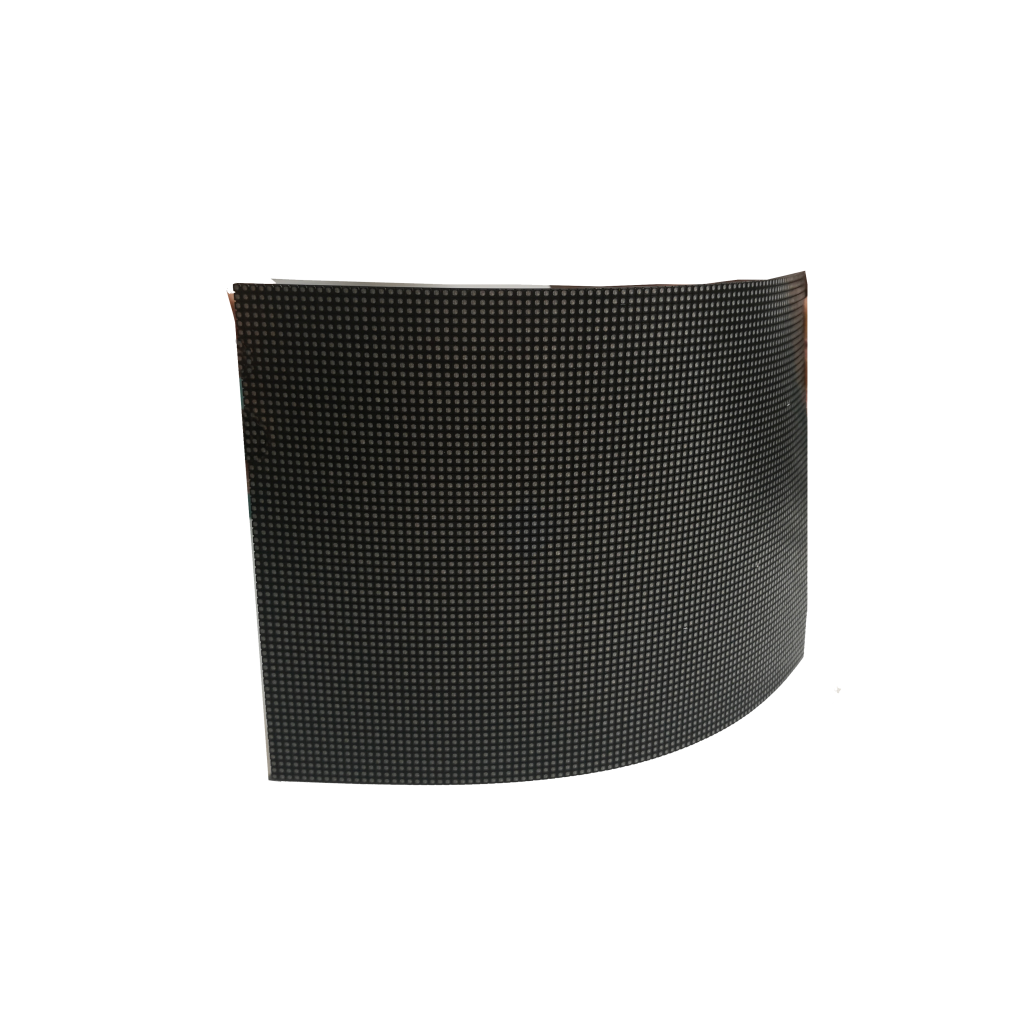
Don’t forget brand and customization: off-the-shelf panels from major brands (Absen, Unilumin) cost 300/sq.ft, but white-label/OEM panels can be 15–20% cheaper (250/sq.ft) if you’re okay with limited warranty (1–2 years vs. 3–5 years for branded). Custom sizes or shapes (curved, triangular) add 10–25% to the base cost—for example, a 3x3ft curved panel might cost 450/sq.ft vs. 350/sq.ft for a flat one.
Here’s a quick breakdown of how these factors stack up, with key numbers to compare:
- Size: 2x2ft (180) vs 4x4ft (500)
- Resolution: 1080p (220) vs 4K (300, +40–50%)
- Panel Type: SMD (250, 80k hrs) vs COB (380, +55–50%, 100k hrs)
- Brightness: Indoor (220) vs Outdoor (380, +75–70%)
- Contrast: Standard (1,000:1, 240) vs High (5,000:1+, 350, +50–45%)
- Brand/Custom: Branded (300, 3–5 yr warranty) vs White-label (250, 1–2 yr warranty); Custom (+10–25%)
A 100 sq.ft 4K outdoor wall with COB panels and 5,000:1 contrast? Budget 45,000. Swap to SMD and 1080p, and you’d drop to 25,000—but expect more maintenance and lower visibility in sunlight.
Installation and Labor Expenses
First, wall assessment and prep eat up 15–25% of total labor hours. For concrete walls (common in commercial spaces), installers drill 4–6 anchor holes per 55-inch panel (standard size: 50×90 inches), each hole taking 8–12 minutes with a rotary hammer (rental cost: 80/day). Plasterboard walls are cheaper to prep (20 in patching supplies) but risk damage: 30–40% of installers report needing to reinforce soft spots with wood backing, adding 20–30 minutes per problematic area.
Z-clips cost 25 per panel (4–6 clips per panel) and take 5–8 minutes to install per clip. L-brackets, needed for walls angled >15 degrees, run 40 per bracket (2–3 per panel) and add 10–15 minutes per bracket due to precise alignment. For curved walls (radius <50ft), custom mounts cost 150 per panel and require 25–35 minutes of CNC-cutting prep work before installation.
A 100 sq.ft. wall (8–10 panels) needs pixel-level calibration to avoid visible seams. Using laser levels, installers spend 12–18 minutes per panel adjusting horizontal/vertical alignment (total: 96–180 minutes for 8 panels). Without calibration, 60–70% of viewers notice gaps >1mm, leading to 15–20% of clients requesting rework (costing 400 extra for a technician’s return visit).
Cable management adds 20 per linear foot. Running HDMI/DP cables behind walls (vs. along ceilings) costs 25–30% more (25/ft) due to conduit installation. Power cables (12–14 AWG) need 3–5 outlets per 100 sq.ft., with electricians charging 125 per outlet for installation (including permits in some areas).
Novice installers (50–100 jobs under their belt) take 8–12 hours for a 100 sq.ft. wall at 65/hour (780 total). Certified AV technicians (500+ jobs) finish in 5–8 hours at 100/hour (800 total)—cheaper overall despite higher hourly rates because they avoid mistakes like misaligned mounts (which cause 20–30% of post-install failures).
For fire-rated buildings, installers must use UL-listed mounts (30 extra per panel) and pass a 300 inspection. Skipping this risks fines up to $500/day until fixed.
To sum up, here’s how key factors affect installation costs:
| Factor | Typical Cost/Time Impact |
|---|---|
| Wall Material | Concrete: +150 (drilling/anchors); Plasterboard: +40 (reinforcement) |
| Mount Type | Z-clips: 25/panel (5–8 min/install); Custom curves: 150/panel (25–35 min/prep) |
| Alignment | 8–10 panels: 96–180 min (1,440 at $7.50/min labor rate) |
| Cable Management | Behind walls: 25/ft; Ceiling-run: 20/ft |
| Team Experience | Novice: 780 (8–12 hr); Certified: 800 (5–8 hr) |
| Compliance | Fire-rated: +30/panel + 300 inspection |
Bottom line: A 100 sq.ft. LED wall installed by certified pros on concrete with basic mounts and ceiling-run cables costs 2,000 in labor. Cheaping out on prep or using rookies can push that to 3,500—with a 30–40% chance of needing fixes within 6 months. Plan for the prep, and you’ll save more than you spend.

Content and Control System Costs
A basic 1080p static image (JPEG/PNG) is cheap—free with a smartphone camera or 20 for stock photos. But 4K static content (3840×2160 pixels) costs 30–50% more: professional photography or graphic design runs 80 per image, and custom illustrations with gradients or transparency jump to 250. For video, 1080p/30fps content (common for ads) costs 150 per minute to produce, but 4K/60fps video (needed for sports or fast motion) requires 2–3x more rendering power, driving costs to 300 per minute. Add motion graphics (animations, text overlays) and that 4K/60fps video could hit 500 per minute—thanks to extra hours from animators (150/hour) and specialized software like Adobe After Effects (50/month subscription).
Entry-level players (e.g., MediaBox Lite) handle 1–2 panels, cost 800, and run basic software (free or 150 one-time fee). Mid-range players (e.g., MediaBox Pro) support 4–8 panels,multiple content streams, and cost 3,000—plus 300/year for software updates. High-end controllers (e.g., Disguise RX) for 10+ panels or 8K content add 15,000 upfront and require 1,500/year in licensing for advanced features like real-time rendering or network redundancy.
Basic playback tools (e.g., ScreenCloud) are free for 1–2 screens but charge 30/month per additional screen. Professional tools (e.g., Signagelive) offer scheduling, remote management, and analytics—they cost 150/month for up to 10 screens, with a 500 setup fee. Enterprise solutions (e.g., Cisco Digital Media Suite) for large deployments (50+ screens) run 3,000/month, including cloud storage (500GB–2TB) and 24/7 tech support.
A typical wall needs content refreshed every 3–6 months: hiring a freelancer to update images/videos costs 200 per hour (2–4 hours per update). For dynamic content (e.g., live data feeds from weather or stock markets), you’ll pay 500/month for API access (e.g., Weather Underground, Bloomberg) plus 150/month for middleware to integrate feeds into the player.
10-minute 4K/60fps video file takes ~50GB of space—so a 100-screen wall needing 5 different videos would require 2.5TB of storage. A basic NAS (network-attached storage) for this runs 1,500 upfront and 150/year in electricity. Cloud storage (e.g., AWS S3) costs 0.030/GB/month, so 2.5TB would be 75/month—cheaper long-term but requiring stable internet (100Mbps+ upload speeds to avoid lag, costing 120/month extra from ISPs).
Planning for Long-Term Maintenance
Indoor walls need PM every 3–6 months (300 per visit), while outdoor walls (exposed to rain/dust) require monthly checks (400 per visit). Why? Dust buildup on indoor panels reduces brightness by 10–15% over 6 months, while outdoor panels with clogged drains can flood in heavy rain, causing 1,000 in water damage. A 2024 industry study found walls with regular PM had 30–40% fewer emergency repairs than neglected ones.
SMD panels (the budget option) have LED lifespans of 80,000 hours (about 9 years at 24/7 use), but their surface-mounted chips are prone to “blooming” (flickering) after 50,000 hours. Replacing a single SMD LED module (100×100 pixels) costs 80, and you’ll need 1–2 replacements per 100 sq.ft. wall every 3–5 years (1,600 total). COB panels, with denser, board-mounted LEDs, last 100,000+ hours (11+ years at 24/7 use) and have 50–60% lower module failure rates—so replacements drop to 0.5–1 per 100 sq.ft. wall every 5–7 years (800 total).
Most panels use 1–2 drivers per 55-inch panel (standard size: 50×90 inches). SMD drivers fail at a 2–3% annual rate (15 per chip replacement + 80 labor), while COB drivers (integrated into the board) have 1–1.5% failure rates (30 per chip + 100 labor). For a 100 sq.ft. wall (8–10 panels), that’s 360/year in SMD driver replacements vs. 240/year for COB—a 120/year savings with COB.
Free updates are rare—vendors charge 150 per update for entry-level systems, 300 for mid-range, and 500 for high-end controllers. Skipping updates risks compatibility issues (e.g., 4K content failing to play on outdated players) or security vulnerabilities (hacks that brick the system). Over 5 years, expect to spend 5,000 on updates for a 10-panel wall.
High-humidity areas (coastal regions, basements) cause corrosion in metal mounts/connectors—replace 5–10% of outdoor mounts every 2–3 years at 40 per mount. Extreme temperatures (>90°F or <32°F) shorten LED lifespan by 20–30%: a wall in Phoenix, AZ, might need LED replacements 2 years earlier than one in Seattle, WA.
Single dead pixel cluster (10+ pixels) on an SMD panel costs 150 to fix (diagnosis + labor), while a COB panel’s dense layout makes clusters harder to spot—repairs cost 15–20% more (180). For a 100 sq.ft. wall, expect 1–2 minor emergencies/year (300) with PM, vs. 3–5 emergencies/year (750) without. Major failures (e.g., a fried driver board) can hit 1,500 per incident—PM cuts these risks by 60–70%.
To sum up, here’s a breakdown of key long-term maintenance costs for a 10-panel (100 sq.ft.) 4K LED wall:
| Maintenance Item | Frequency | Typical Cost Range | Key Influencers |
|---|---|---|---|
| Preventive Maintenance | Indoor: 3–6mo; Outdoor: Monthly | 400/visit | Wall material (indoor/outdoor), location |
| LED Module Replacement | SMD: 3–5yr; COB: 5–7yr | 1,600 (SMD) / 800 (COB) | Panel type, environment (humidity/temp) |
| Driver Chip Replacement | Annual | 360 (SMD) / 240 (COB) | Driver failure rate, labor costs |
| Software/Firmware Updates | Quarterly | 5,000 (5yr total) | Controller tier (entry/mid/high-end) |
| Emergency Repairs | 1–5/year | 750/year | PM compliance, environmental stress |
Bottom line: A 100 sq.ft. wall with COB panels, regular PM, and mid-range controllers costs 3,000/year in long-term maintenance. Skip PM or opt for SMD panels, and that jumps to 6,000/year—with a 50% chance of a $2,000+ emergency repair in Year 3.


![How to Choose a Flexible LED Display [Buyer's Guide]](https://www.szradiant.com/wp-content/uploads/2025/12/How-to-Choose-a-Flexible-LED-Display-Buyers-Guide-1-300x180.jpg)


