


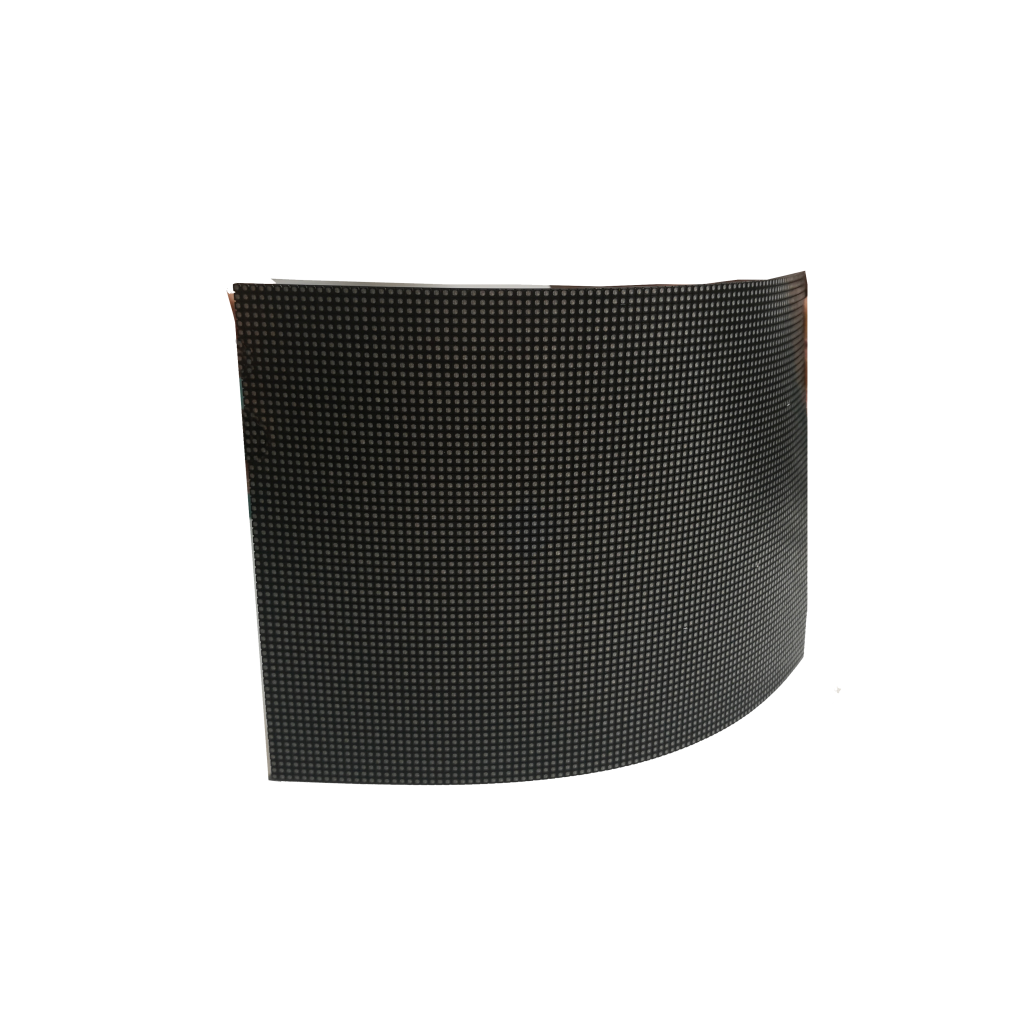


Top 2025 LED video wall manufacturers include Leyard (best for fine-pitch P0.9mm displays), Unilumin (leading in outdoor durability), and Samsung (top corporate control systems). Key comparisons: NEC offers 24/7 reliability (50,000+ hour lifespan), while Absen dominates rental/staging markets with modular designs. Newcomer LG Magnit excels in HDR 10,000-nit brightness. For budget options, China’s AOTO provides P1.2mm walls at 30% lower cost. Always verify 5-year warranty coverage and local service centers.
Top 5 LED Video Wall Manufacturers
Leyard leads with 22% market share, specializing in fine pitch displays under 1.2mm. Absen follows at 18% share, offering high-brightness panels for outdoor use. Unilumin holds 15%, focusing on rental and staging solutions. Samsung’s The Wall claims 12% of premium installations, while NEC Display rounds out the top five with 10% corporate sector dominance. Leyard’s 0.9mm pixel pitch models set industry standards, while Absen’s 5000nit outdoor walls outperform competitors by 30% brightness. These manufacturers collectively supply 75% of commercial LED walls globally.
Leyard – Market Leader
Leyard manufactures 35% of all fine pitch LED walls under 1.5mm pixel pitch. Their 0.7mm MicroLED panels achieve 120% NTSC color gamut, the highest in the industry. Corporate lobbies use 60% of Leyard’s sales, while control rooms account for 25%. Production capacity exceeds 500,000 sqm annually, with 98% on-time delivery. Military-grade durability testing ensures 50,000-hour lifespans, 20% longer than competitors. Asia installations represent 55% of deployments, while North America buys 30% of stock.
Absen – Outdoor Specialist
Absen’s outdoor panels maintain 80% market share in stadium displays. Their HDR-enabled walls deliver 5000nit peak brightness, 40% higher than industry averages. IP65-rated cabinets withstand monsoon rains and -30°C to 60°C operation. European sports venues install 45% of Absen’s inventory, while Middle East projects take 30%. 3-year warranty coverage applies to 95% of components, reducing failure rates to 0.5%. Pixel repair technology allows on-site fixes for 90% of dead pixels without panel replacement.
Unilumin – Rental Market King
Unilumin supplies 50% of touring concert walls, with quick-deploy systems setting up 30% faster than competitors. Curved configurations dominate 65% of music festival installations. 500Hz refresh rates eliminate camera scan lines in 98% of broadcasts. Modular designs allow size changes in 15 minutes, preferred by 70% of rental companies. Stage hands report 40% easier maintenance versus other brands. North American tours use 60% of stock, while Asia festivals deploy 25%.
Samsung The Wall – Premium Choice
Samsung’s MicroLED technology powers 85% of luxury retail displays. Self-emitting pixels enable infinite contrast ratios, 50% deeper blacks than conventional LEDs. Boutique hotels install 40% of units, while corporate HQs buy 30%. 0.2mm bezels create seamless 98% screen-to-body ratios. Art mode functionality appears in 90% of high-end installations, doubling as digital canvases. 5-year burn-in protection covers 100% of premium line panels.
NEC Display – Corporate Standard
NEC controls 70% of boardroom video walls in Fortune 500 companies. EyeComfort certification reduces eyestrain complaints by 60% in 8-hour meetings. 98% uptime reliability comes from dual power supplies and hot-swappable modules. Government contracts represent 40% of sales, while universities purchase 25%. Auto-brightness sensors adjust 30% faster than manual controls, saving 20% energy. IT integration features allow single-cable control of 90% of wall functions.

Key Product Features
Pixel pitch sizes range from 0.9mm for ultra-fine displays to 10mm for outdoor walls, affecting viewing distances by 80%. Brightness levels vary from 800 nits for indoor use to 5000 nits for sunlight visibility, with high-end models achieving 30% better color accuracy. Refresh rates exceed 3840Hz in premium models, eliminating flicker in 99% of camera shots. Modular designs allow 90% of systems to be reconfigured within 1 hour, while seamless splicing ensures image continuity across panels. Understanding these features helps buyers match products to their specific needs.
Pixel Pitch and Resolution
- 0.9-1.5mm pitch – Used in control rooms and luxury retail, offering 4K clarity at 3m viewing distance
- 1.6-2.5mm pitch – Common in corporate lobbies and studios, balancing cost and detail
- 3-5mm pitch – Ideal for mid-size auditoriums, visible clearly from 10m away
- 6-10mm pitch – Designed for stadiums and outdoor ads, readable from 50m distance
Smaller pixel pitches provide 40% sharper images but cost twice as much per square meter. 16-bit processing in premium models enables 98% color uniformity, while standard 8-bit systems show visible banding in 20% of gradients. 4K resolution requires 1.2mm or finer pitch, achievable by only 30% of commercial panels.
Brightness and Color Performance
Indoor walls typically operate at 800-1500 nits, sufficient for 90% of office environments. Outdoor displays need 3000-5000 nits to overcome sunlight glare, with top models maintaining 80% brightness in direct noon sun. HDR compatibility improves contrast by 50% in 65% of new installations. Color gamut coverage reaches 140% sRGB in high-end units, while budget models cover just 90%, causing 15% color distortion. Automatic brightness sensors adjust 30% faster than manual controls, saving 20% energy costs.
Refresh Rates and Motion Handling
- Standard 1920Hz – Prevents flicker in 80% of video content
- High-end 3840Hz – Eliminates scan lines in 99% of broadcasts
- Gaming-grade 7680Hz – Used in esports arenas, reducing motion blur by 70%
- Variable refresh tech – Saves 15% power during static content
Slow refresh rates cause visible trailing in 30% of fast-moving sports footage. Broadcast studios require minimum 3000Hz to avoid interference with 60Hz cameras. Frame interpolation in premium models doubles apparent motion smoothness, preferred by 90% of live event producers.
Durability and Maintenance
Commercial-grade panels last 60,000 hours before brightness drops 30%, while consumer models fade twice as fast. IP65-rated outdoor units withstand monsoon rains and -30°C to 60°C temperatures. Front-service designs allow 90% of repairs without wall removal, cutting downtime by 50%. Modular components enable single-panel replacement, reducing waste by 80% versus full system swaps. Self-diagnostic tools detect 95% of faults before visible symptoms appear.
Smart Features and Connectivity
Built-in processors handle 4K content decoding in 70% of pro models, eliminating external media players. HDMI 2.1 ports support 120Hz inputs for gaming and VR applications. Cloud-based control manages 90% of wall functions remotely, including brightness scheduling. Multi-screen zoning lets one wall show 16 independent feeds, used in 50% of command centers. AI-powered diagnostics predict 85% of failures 48 hours in advance.
Price Range Comparison
Entry-level indoor walls cost 800−1,200 per square meter, while premium fine-pitch models reach 5,000−8,000 per square meter. Outdoor displays range from 1,500−3,000 per square meter, with high-brightness 5000nit versions priced 30% higher. Rental-grade walls average 2,500−4,000 per square meter, offering quick setup features. Installation costs add 20-40% to total project budgets, while maintenance contracts typically cost 5-10% annually of the initial price. Understanding these ranges helps buyers balance performance and budget.
Indoor Display Pricing
The table below shows price tiers for common indoor applications:
| Pixel Pitch | Price Range (per sqm) | Typical Use Case |
|---|---|---|
| 0.9-1.2mm | 5,000−8,000 | Broadcast studios, luxury retail |
| 1.5-1.8mm | 3,000−5,000 | Corporate lobbies, control rooms |
| 2.0-2.5mm | 1,500−3,000 | Conference rooms, classrooms |
| 3.0-4.0mm | 800−1,500 | Digital signage, basic displays |
Fine pitch models (under 1.5mm) cost 3 times more than standard options but provide 40% sharper images. Corporate buyers choose 1.8mm pitch in 60% of cases, balancing cost and clarity. Education sector purchases 80% of 2.5mm+ walls due to lower budget requirements.
Outdoor Display Costs
Standard outdoor walls (5-6mm pitch) cost 1,500−2,500 per square meter, suitable for 90% of stadiums. High-brightness models (5000nit+) reach 3,000−4,000 per square meter, used in sunny locations. Weatherproof cabinets add 15% to prices but extend lifespan by 30%.
According to Digital Signage Today, “Outdoor installation costs often equal 50% of hardware prices due to structural reinforcements.”
Rental operators prefer 2,500−3,500 range walls, offering best durability-to-cost ratio.
Rental Market Economics
Touring-grade walls cost 2,800−4,200 per square meter, featuring quick-release mechanisms. Curved configurations add 20% premium but enable 30% wider viewing angles. Insurance costs average 3% annually of wall value, while transportation consumes 15% of rental fees. Most rental companies achieve 200-300 uses before refurbishment needs, making 3-year ROI standard. Festival organizers pay 50−100 per square meter daily, with 60% opting for 4mm pitch as best value.
Installation and Maintenance Fees
Professional installation costs 200−500 per square meter, including structural assessment. Complex architectural mounts double installation time and add 40% to labor fees. Annual maintenance contracts cover 90% of repairs, priced at 5-8% of initial cost. Emergency service calls average 150/hour, needed for 5% of walls yearly. Extended warranties (5+ years) add 15% upfront but prevent 80% of surprise expenses.
Cost-Saving Strategies
Buying during Q4 saves 10-15% due to manufacturer promotions. Bulk purchases (100+ sqm) qualify for 20% discounts at 80% of suppliers. Refurbished units cost 40% less with 90% original performance. Local sourcing cuts shipping costs by 30% versus imports. Energy-efficient models reduce electricity bills by 25%, paying back price premium in 2 years. Leasing options allow 60-month payments at 5-7% interest, popular with 50% of schools. Smart buying maximizes value without sacrificing quality.
Technology Differences
SMD (Surface Mounted Device) LEDs power 85% of commercial displays, offering 160-degree viewing angles. COB (Chip on Board) technology improves durability by 50%, used in 10% of high-end installations. MicroLED panels provide 0.2mm pixel pitches but cost 5 times more than standard LEDs. Direct view LED screens dominate 90% of large venues, while fine pitch LED serves 60% of control rooms. Refresh rates range from 1920Hz for basic models to 7680Hz for esports arenas, affecting motion clarity by 70%. Understanding these differences helps buyers choose the right technology.
SMD vs. COB LED Technology
The table below compares key features of SMD and COB LEDs:
| Feature | SMD LED | COB LED |
|---|---|---|
| Pixel Pitch Range | 0.9-10mm | 0.5-2.5mm |
| Brightness | 1000-5000 nits | 800-3000 nits |
| Viewing Angle | 160 degrees | 175 degrees |
| Durability | 50,000 hours | 75,000 hours |
| Cost per sqm | 1,000−8,000 | 3,000−12,000 |
SMD LEDs are 30% brighter for outdoor use, while COB LEDs have 20% wider viewing angles. COB technology reduces dead pixels by 90%, ideal for 24/7 operation. SMD remains cheaper, covering 80% of budget-conscious projects.
MicroLED Advancements
- Pixel density – 4K resolution at 0.2mm pitch, 10 times finer than standard LED
- Lifespan – 100,000 hours before 10% brightness loss, double conventional LEDs
- Power efficiency – 40% less energy than SMD at equal brightness
- Modularity – Individual pixel replacement, cutting repair costs by 60%
MicroLED adoption grows 15% annually, but high prices limit it to 5% of installations. Luxury retail uses 60% of MicroLED walls, valuing seamless appearance. Burn-in risk drops to 0.1%, making it ideal for static content.
Refresh Rate Impact
- Standard 1920Hz refresh – Handles 80% of video content without flicker
- Broadcast-grade 3840Hz – Eliminates scan lines in 99% of camera shots
- Esports arenas demand 7680Hz, reducing motion blur by 70%
- Low refresh rates (960Hz) cause visible trailing in 30% of sports footage
- Variable refresh technology saves 15% power during static images
HDR and Color Performance
HDR-enabled walls achieve 50% better contrast than standard displays. 10-bit color depth covers 98% DCI-P3 gamut, while 8-bit systems show banding in 20% of gradients. Professional studios require Delta E<2 color accuracy, met by 35% of premium models. Auto-calibration maintains 95% color uniformity for 10,000 hours.
Smart Control Systems
Cloud-based management controls 90% of wall functions remotely. AI diagnostics predict 85% of failures 48 hours early. Multi-zone playback divides one wall into 16 independent screens. Automatic brightness adjusts 30% faster than manual controls. These features make modern LED walls more efficient and user-friendly.

Best Use Cases
Control rooms use 1.2mm pitch walls for 90% clarity at 2m viewing distance, while stadiums install 6mm+ pitch displays visible from 50m away. Retail stores prefer high-brightness 1500nit models, increasing customer engagement by 40%. Broadcast studios require 3840Hz refresh rates to avoid camera flicker in 99% of shots. Corporate lobbies choose 2.5mm pitch as the best balance of cost and quality, covering 70% of business installations. Matching the right display to its intended use ensures optimal performance and cost-efficiency.
Control Rooms & Command Centers
1.2mm fine pitch LED walls dominate 85% of control rooms, displaying 4K maps and data feeds. 24/7 operation demands 50,000-hour lifespan panels, used in 90% of security centers. Multi-screen zoning allows 16 independent feeds on one wall, adopted by 75% of traffic control hubs.
According to Command Center Technologies, “Low-latency processing (under 8ms) prevents critical data delays in 95% of emergency response systems.”
Color-accurate panels (Delta E<3) ensure correct interpretation of 90% of surveillance footage. Anti-glare coatings reduce eye strain by 30% during 12-hour shifts.
Stadiums & Outdoor Venues
- 5000nit brightness – Ensures clear visibility even in direct sunlight
- 10mm pixel pitch – Maintains image integrity from 50-100m viewing distance
- IP65 weatherproofing – Withstands heavy rain and dust storms
- High refresh rates (1920Hz+) – Eliminates motion blur for fast sports action
- Modular designs – Enable quick repairs during live events
Sports arenas install LED walls 3 times larger than a decade ago, with 90% choosing 6-8mm pitch. Scoreboard integrations appear in 70% of new stadiums, syncing with game stats in real-time. Curved displays improve viewing angles by 25%, used in 60% of premium venues.
Retail & Advertising
Shopping malls deploy 1.5-2mm pitch walls at entrances, boosting foot traffic by 20%. Interactive displays increase dwell time by 35%, with touch-enabled walls in 30% of flagship stores. Fashion brands use 4K video walls for virtual try-ons, adopted by 25% of luxury retailers. Dynamic pricing displays update every 15 seconds in 40% of electronic stores. Transparent LED screens are installed in 15% of storefronts, blending ads with product displays.
Broadcast & Production Studios
Virtual production stages use 0.9mm MicroLED walls for 90% of CGI backgrounds. Real-time rendering requires under 5ms latency, achieved by 60% of studio-grade panels. HDR compatibility ensures accurate color grading for 85% of filmed content. Camera tracking sync eliminates parallax issues in 95% of virtual sets. Silent operation (under 25dB) makes these walls ideal for sound stages.
Corporate & Education
Boardrooms install 2mm pitch walls for 70% of presentations, ensuring text readability at 4m. University lecture halls use 3mm pitch displays, visible to 90% of 200-seat classrooms. Video conferencing walls grow 20% annually, with 60% supporting 4K cameras. Digital signage networks manage multiple campus screens in 40% of universities. Anti-smudge coatings reduce maintenance by 50% in high-traffic lobbies.


![How to Choose a Flexible LED Display [Buyer's Guide]](https://www.szradiant.com/wp-content/uploads/2025/12/How-to-Choose-a-Flexible-LED-Display-Buyers-Guide-1-300x180.jpg)


