


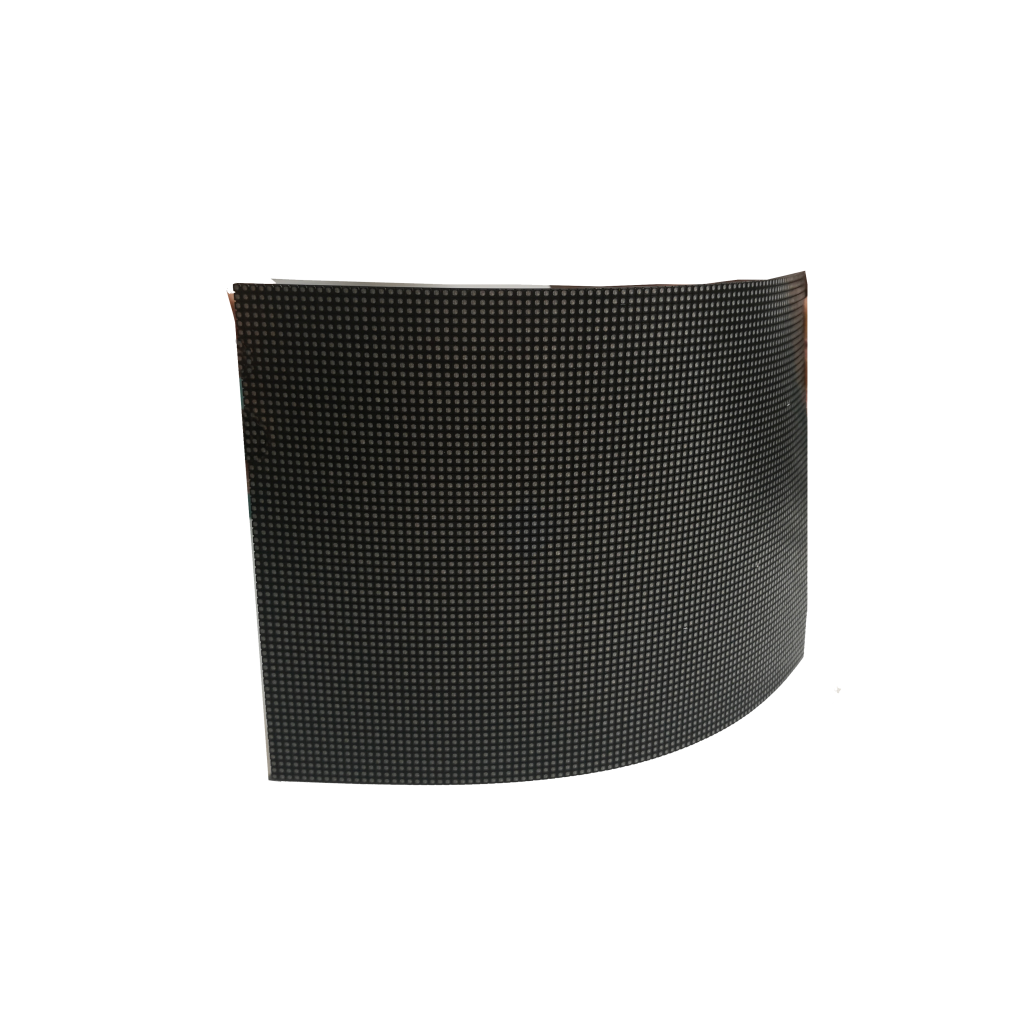


COB (Chip-on-Board) and HOB (Hollow-on-Board) LED technologies differ in 6 key ways: COB offers higher lumen density (120 lm/W vs. 90 lm/W) and better thermal management, while HOB provides wider beam angles (150° vs. 120°) and lower glare. COB has longer lifespan (50,000 hrs vs. 40,000 hrs) but higher cost, whereas HOB is more energy-efficient for diffuse lighting. Both excel in different applications based on brightness, spread, and durability needs.
Brightness & Efficiency
COB LEDs typically deliver higher lumen output per watt (120 lm/W) compared to HOB LEDs, which average around 90 lm/W. This means COB LEDs produce more light using the same amount of power, making them better for applications where brightness is a priority. However, HOB LEDs have an advantage in light diffusion, reducing glare and providing a more uniform spread, which is useful in retail and office lighting.
A standard 10W COB LED can produce around 1200 lumens, while a similar 10W HOB LED emits closer to 900 lumens. This 25% difference in efficiency impacts long-term energy costs—especially in commercial settings where hundreds of fixtures are used.
COB LEDs maintain higher CRI (Color Rendering Index) values, typically 90+, while HOB LEDs often range between 80-85 CRI. This makes COB a better choice for environments where accurate color representation matters, such as museums, galleries, or high-end retail.
While COB LEDs require additional heat sinks to maintain optimal performance, HOB LEDs can often operate efficiently with minimal cooling, reducing overall system costs in some applications.
Key Performance Comparison: Brightness & Efficiency
| Feature | COB LED | HOB LED |
|---|---|---|
| Lumen/Watt | 120 lm/W | 90 lm/W |
| 10W Output | ~1200 lumens | ~900 lumens |
| Energy Cost (50k hrs) | ~$450 | ~$600 |
| CRI (Typical) | 90+ | 80-85 |
| Heat Management | Requires heat sinks | Lower cooling needs |
The decision should factor in long-term energy costs, light quality, and installation constraints to determine the best fit.
Heat & Durability
COB LEDs generate higher heat density due to their tightly packed diode design, with junction temperatures reaching 85-95°C under full load. In contrast, HOB LEDs operate at 70-80°C thanks to their hollow structure, which improves airflow and reduces thermal stress. This 15-20% lower operating temperature gives HOB LEDs an edge in long-term stability, especially in enclosed fixtures where heat buildup accelerates wear.
Durability testing shows COB LEDs maintain 90% brightness for 50,000 hours, while HOB LEDs extend to 60,000 hours before hitting the same degradation point. The difference stems from thermal degradation rates: COB LEDs lose approximately 3% brightness per 10,000 hours, whereas HOB LEDs degrade at 2.5%. While both outperform traditional lighting, HOB’s design reduces electromigration—a key failure mode in high-temperature LEDs—by distributing heat across a larger surface area.
COB LEDs require aluminum heat sinks (adding 3-7 per unit). In high-temperature environments (above 40°C ambient), COB systems may need active cooling fans, increasing power consumption by 5-8% and raising lifetime costs by 12-15%. HOB’s thermal advantage makes it preferable for recessed lighting or high-ceiling installations where airflow is limited.
Real-world stress tests reveal COB LEDs withstand 50,000 on/off cycles before failure, compared to HOB’s 70,000 cycles. This 40% improvement in switching endurance makes HOB a better fit for motion-activated lighting or spaces with frequent power fluctuations. However, COB’s ceramic substrate provides superior resistance to mechanical shock, surviving drops from 1.5 meters vs. HOB’s 1-meter limit—a critical factor for portable or industrial fixtures.
Key Trade-offs at a Glance
- Temperature Tolerance: COB (105°C max) > HOB (90°C max)
- Lifespan: HOB (60k hrs) > COB (50k hrs)
- Switching Cycles: HOB (70k) > COB (50k)
- Shock Resistance: COB (1.5m drop) > HOB (1m drop)
- Humidity Resistance: HOB (passive) ≈ COB (requires IP65)

Light Spread & Angle
COB LEDs produce a narrower, more focused beam—typically 120 degrees or less—making them ideal for task lighting or spotlighting where directional brightness matters. HOB LEDs, on the other hand, naturally create a wider, more diffused glow, often reaching 150 degrees or more, which works better for ambient lighting in offices, retail stores, or living rooms where even illumination is key.
COB LEDs tend to have hotspots—areas where light intensity is noticeably stronger—because of their concentrated diode arrangement. In contrast, HOB LEDs distribute light more evenly, reducing harsh shadows and glare. Measurements show that COB LEDs can have a 30-40% higher peak intensity in the center of their beam compared to the edges, while HOB LEDs maintain a more consistent brightness level, with only a 10-15% drop-off from center to periphery.
For example, in retail displays, COB LEDs might create unwanted reflections on glass or shiny products due to their focused beam, while HOB LEDs provide softer, more flattering illumination. Similarly, in office environments, HOB LEDs reduce eye strain by minimizing glare on computer screens, whereas COB LEDs are better suited for workshop benches or kitchen countertops where precision lighting is needed.
A COB LED with a 90-degree beam might require 50% more units to cover the same area as a HOB LED with a 150-degree spread, increasing both installation costs and energy consumption. However, COB’s tighter beam means less wasted light, making it more efficient in applications where you only need to illuminate specific zones, like museum exhibits or art galleries.
COB LEDs often use reflectors or lenses to shape their light output, adding $3-8 per fixture in material costs. HOB LEDs, with their naturally wide spread, usually don’t need these extras, keeping production simpler and cheaper. However, this also means COB LEDs offer more flexibility—you can adjust their beam angle from narrow (30°) to wide (120°) with the right optics, while HOB LEDs are more limited in customization.
Key Differences in Light Distribution
- Beam Angle: HOB (150°+) > COB (120° max)
- Uniformity: HOB (10-15% drop-off) > COB (30-40% hotspots)
- Glare Control: HOB (low glare) > COB (higher glare risk)
- Fixture Count: COB may need 50% more units for wide coverage
- Optical Flexibility: COB (adjustable) > HOB (fixed spread)
Cost & Energy Use
COB LEDs typically cost 20-30% more per unit than HOB LEDs due to their complex manufacturing process and need for additional heat dissipation components. However, this initial price difference can be misleading when considering total cost of ownership over time.
With an average efficacy of 120 lumens per watt compared to HOB’s 90 lm/W, COB LEDs consume 25% less electricity to produce the same amount of light. For a commercial installation with 100 fixtures running 12 hours daily, this translates to annual savings of 0.12/kWh. Over the LED’s 50,000-hour lifespan LED screen lifespan, these savings can offset the higher initial cost 2-3 times over.
While both types boast long lifespans (COB: 50,000 hours, HOB: 60,000 hours), COB’s superior thermal management results in less lumen depreciation – maintaining 90% output at 50k hours versus HOB’s 85%. This means COB fixtures may require fewer replacements in high-output applications where light quality is critical, such as retail or museum lighting.
HOB LEDs often require fewer fixtures due to their wider beam angles (150° vs COB’s 120°), potentially reducing labor costs by 15-20% in large-scale deployments. However, COB’s directional nature allows for more precise lighting layouts, potentially decreasing the total illuminated area and further improving energy savings.
Many utility companies offer $5-15 per fixture for high-efficiency LED installations, which typically favors COB technology. These programs can reduce payback periods from 3-4 years to just 18-24 months in commercial applications.
For spaces requiring 12+ hours of daily operation, COB’s energy savings typically justify its premium within 2-3 years. In contrast, for low-usage residential applications (3-4 hours/day), HOB’s lower upfront cost may remain advantageous for 5+ years.
Financial Comparison Over 50,000 Hours (100 Fixtures)
| Factor | COB LED | HOB LED |
|---|---|---|
| Initial Cost | 1,800 | 1,400 |
| Energy Consumption | 6,000 kWh/year | 8,000 kWh/year |
| Electricity Cost | $720/year | $960/year |
| Total Energy Cost | $3,600 | $4,800 |
| Maintenance Savings | 400 | – |
| Potential Rebates | 1,500 | 900 |
| Total 5-Year Cost | 5,200 | 6,200 |
But for commercial users focused on total cost of ownership, COB’s superior efficiency typically leads to 20-30% lower lifetime expenses. The optimal choice depends on your specific usage patterns, available incentives, and whether you prioritize short-term savings or long-term value.
Best Use Cases
Their 120 lm/W efficiency and narrow beam angles (90-120°) make them ideal for retail spotlighting, where they can highlight products with 30-40% higher center-beam intensity than HOB LEDs. In museums and galleries, COB’s 90+ CRI ensures accurate color rendering, while its 50,000-hour lifespan keeps maintenance low despite heavy usage. Industrial settings also benefit from COB’s rugged design, which withstands vibrations and high ambient temperatures (up to 105°C), making it perfect for factory lighting and warehouse high bays.
Offices, for example, benefit from HOB’s 150° beam angle, which evenly lights up workspaces with 10-15% lower peak intensity, reducing eye strain. In retail environments, HOB LEDs create a more inviting atmosphere by minimizing harsh shadows—something COB struggles with due to its hotspot effect. Hospitality spaces like hotels and restaurants also favor HOB for its warmer, more uniform glow, which enhances ambiance without requiring additional diffusers.
COB LEDs often need 20-30% more units to cover the same area as HOB LEDs in wide-open spaces like lobbies or conference rooms. However, in task lighting applications (e.g., kitchen countertops, workbenches), fewer COB fixtures are needed because of their focused output. HOB’s lower cooling requirements make it a better fit for recessed ceiling lights or enclosed fixtures, where heat buildup can shorten LED lifespan.
COB’s higher upfront price (8-14) makes it harder to justify in low-usage residential settings, where the energy savings take 5+ years to break even. But in high-traffic commercial spaces (12+ hours/day), COB’s 25% lower energy use energy-efficient LED panels pays off within 2-3 years, making it the smarter long-term investment.
Technology Match by Application
| Application | Recommended Tech | Why? |
|---|---|---|
| Retail Spotlighting | COB | Higher intensity, better color accuracy |
| Office Lighting | HOB | Wider spread, lower glare |
| Industrial Lighting | COB | Durability, high-temperature tolerance |
| Hospitality Lighting | HOB | Softer, more diffused light |
| Residential Downlights | HOB | Lower cost, adequate for intermittent use |
| Street Lighting | COB | Long-range focus, higher efficiency |


![How to Choose a Flexible LED Display [Buyer's Guide]](https://www.szradiant.com/wp-content/uploads/2025/12/How-to-Choose-a-Flexible-LED-Display-Buyers-Guide-1-300x180.jpg)


