


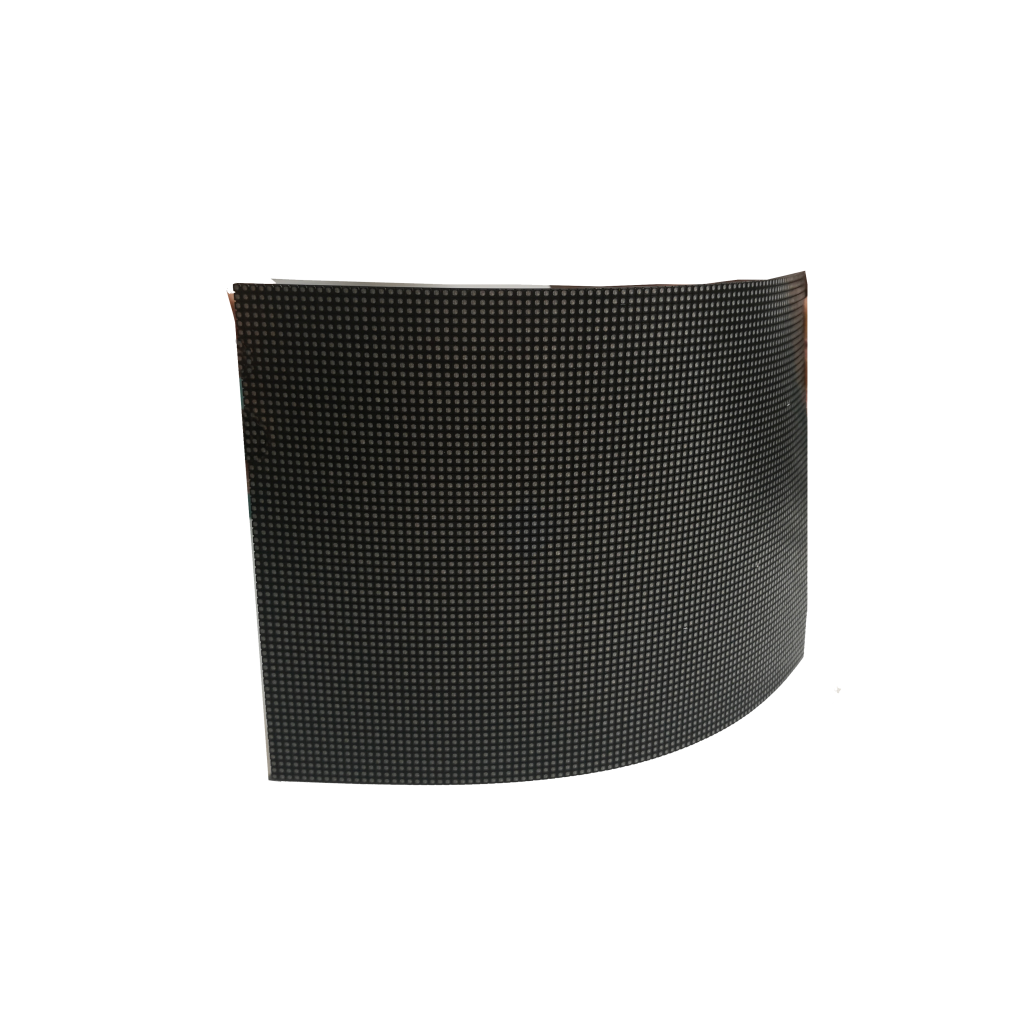


Planning an LED video wall on a budget? Start by choosing the right pixel pitch (e.g., P3-P6 for 10+ ft viewing distances) to balance cost and clarity. Compare rental vs. purchase—renting saves 30-50% for short-term use. Opt for standard 16:9 ratios to avoid custom panel costs. Buy refurbished (20-40% cheaper) or modular designs for scalability. Negotiate bulk discounts (5-15% off for 10+ panels) and prioritize energy-efficient models (e.g., 3,000 nits at 1.5W/pixel) to cut long-term power costs. Lastly, prevent overspending by calculating total cost (hardware + 15-20% for installation/maintenance).
Pick the Right Pixel Pitch
A tighter pitch (e.g., P1.5) delivers ultra-sharp images but costs 40-60% more than a P3 or P6 panel, which works fine for most commercial applications. For example, a 1080p resolution on a 10ft x 6ft wall requires P3 at 10ft viewing distance, but switching to P6 (which costs 1,200 per sqm vs. P3’s 2,200) still looks crisp while saving 30-50%.
The sweet spot for indoor corporate or retail displays is P2.5-P4, balancing detail and cost. For large outdoor billboards, P6-P10 is standard because viewers are farther away—saving up to 70% versus finer pitches. A common mistake is overspending on P1.9 for a lobby screen where P2.5 would suffice, adding $12,000+ to a 10sqm wall.
A 3,500-nit panel costs 15-20% more than a 2,500-nit one, but the latter is adequate for most indoor use. Outdoor setups need 5,000+ nits, but overspecifying for indoor use wastes money.
Here’s a quick reference for typical use cases:
| Application | Recommended Pitch | Cost per sqm | Viewing Distance |
|---|---|---|---|
| Control room (4K) | P1.2-P1.8 | 4,500 | 3-6ft |
| Retail signage | P2.5-P3 | 1,800 | 8-15ft |
| Conference room | P2.0-P2.5 | 2,500 | 6-12ft |
| Stadium screen | P6-P8 | 900 | 50-100ft |
A P1.5 wall has 4x more LEDs than P3, raising failure rates and repair expenses by 25-35% over 5 years. For long-term savings, match pitch to actual needs—not marketing hype.
Energy efficiency is another factor. A P3 panel averages 400W/sqm, while P1.5 consumes 700W+. Over 10,000 hours, that’s 0.12/kWh. Always check power specs—some brands offer 20% better efficiency at the same pitch.
A P2 wall won’t outperform P3 in a 20ft-viewing scenario, yet some vendors push it for “better ROI.” Stick to real-world conditions. If your content is mostly video (not tiny text), a slightly coarser pitch rarely hurts. Test samples at planned viewing distances—what looks pixelated up close often blends perfectly at 10ft.
For flexible budgets, modular panels (like 500x500mm tiles) allow later upgrades. Starting with P4 and swapping to P2.5 later can defer 60% of upfront costs. Just confirm your controller supports mixed pitches—some lock you into one resolution.
Bottom line: Pixel pitch dictates 50% of your total spend. Overspecifying wastes cash; underspecifying kills usability. Measure your audience’s typical distance, then add 20% buffer. A P3 wall viewed from 12ft looks identical to P2 at 15ft—but costs way less.
Rent vs. Buy Comparison
Renting costs between 150 per sqm per week, making it ideal for short-term events (under 3 months), where purchasing would require 12-24 months to break even. For example, a 20sqm P3 rental for a 2-week trade show runs around 4,000, while buying the same setup costs 45,000—meaning you’d need to use it 10+ times per year to justify ownership.
Purchased walls require 5-10% of their initial cost annually for repairs, calibration, and climate-controlled storage (3,000/year for a 20sqm system). Rental companies absorb these costs, and their panels are typically newer (2-3 years old vs. a purchased wall’s 5-7-year lifespan). If your usage is sporadic—say, 4 events per year—renting cuts total costs by 40-60% over 5 years.
LED technology improves roughly 15% yearly in brightness and efficiency. A wall bought today may be outdated in 3 years, whereas rentals guarantee access to the latest models. For high-profile events (e.g., product launches), renting a 5,000-nit 4K wall for $8,000/week can be smarter than owning a 3,500-nit model that looks dated next year.
A venue hosting 50+ annual events recoups a $40,000 investment in 18 months. Ownership also allows customization (logo integrations, unique aspect ratios) that rentals can’t match. Tax benefits like depreciation (20-30% per year in some regions) further reduce net costs.
Buying a base system (e.g., 10sqm) and renting additional 10sqm for large events cuts costs by 25% versus full ownership. Some rental firms offer rent-to-own deals, where 50% of rental fees apply toward purchase—useful if your needs might grow.
Shipping purchased walls averages 1,500 per event, while rentals include delivery. Conversely, last-minute rental markups (30-50% within 2 weeks of booking) can erase savings. Always compare total cost per operating hour—a purchased wall running 2,000 hours/year may cost 5 0-$80/hour.
Bottom line: Rent if under 150 usage hours/year; buy if over 500.

Save on Panel Costs
LED video wall panels can eat up 60-70% of your total budget, but smart purchasing strategies can slash costs without sacrificing quality. The biggest mistake? Assuming all panels are created equal.
Refurbished panels are a hidden gem, often 30-40% cheaper than new ones with 90% of their lifespan remaining. A used P4 panel that retailed for 700-$850 after 2 years of light use. Verify the seller provides at least a 1-year warranty—reputable refurbishers test each module for dead pixels and color consistency. Some manufacturers even sell “B-stock” (cosmetic blemishes, full functionality) at 25% discounts.
Standard sizes save big. Custom-shaped panels (e.g., curved, hexagonal) carry 50-100% premiums. A 500x500mm standard panel costs 1,350. Stick to 16:9 or 1:1 ratios unless absolutely necessary—creative layouts can often be achieved with standard panels and clever mounting.
Here’s how panel costs break down by type:
- New premium (Samsung, LG): 2,500/sqm
- New budget (Chinese OEMs): 1,400/sqm (check MTBF ratings—aim for ≥50,000 hours)
- Refurbished: 1,100/sqm
- B-stock: 1,200/sqm (minor scratches, full warranty)
A panel drawing 350W/sqm vs. 500W adds 0.14/kWh, 12h/day). Look for 3.0-3.5W per pixel efficiency ratings—the sweet spot between brightness and power draw. Some brands charge 15% more for “eco” models that save just 5% energy; do the math before upgrading.
Purchasing 10% extra panels upfront (e.g., 11sqm for a 10sqm wall) lets you expand later without mismatched colors from different batches. This beats buying a whole new wall when you need +2sqm next year. Some controllers support mixing panel generations—ask before buying.
Ordering 10+ panels often triggers 8-12% price breaks. For large projects (50+ sqm), negotiate hard—manufacturers will often throw in free spare modules (1 per 20 ordered) or extended warranties. One AV integrator got 15% off a $100k order just by timing their purchase at the vendor’s quarter-end sales target period.
Indoor walls rarely need more than 1,500-2,500 nits; paying for 5,000-nit panels wastes 20-30% per sqm. Outdoor installs should cap at 7,000 nits unless in direct desert sun—each 1,000-nit increase adds roughly $200/sqm.
Pro tip: Q1 (post-holiday) and Q3 (pre-budget reset) often see the deepest discounts. One church AV team saved 18% on their 15sqm wall by waiting 6 weeks for a manufacturer’s spring promotion. Set price alerts on B2B marketplaces like Alibaba or Thomasnet—when prices dip 10% below your target, pull the trigger.
Negotiate Bulk Discounts
Buying LED video walls in bulk isn’t just for massive stadium projects—even mid-sized orders can unlock 5-15% savings just by hitting the right quantity thresholds. Most manufacturers start offering discounts at just 10 panels, with steeper breaks at 25, 50, and 100 units. For example, a P3 panel priced at 1,350 at 50+ units, saving $7,500 on a 50sqm install. But the real savings come from strategic negotiation, not just volume.
One AV integrator secured an extra 8% discount on a 30-panel order by placing the deposit in the last week of June. Similarly, new product launches (typically Q1) mean older stock gets discounted—we’ve seen 2023 models clear out at 20% below 2024 equivalents with identical specs.
Bundle to maximize leverage. Instead of just negotiating panel prices, ask for package deals that include:
- Free spare modules (1 per 20 ordered saves $1,500+ in future repairs)
- Extended warranties (3 years instead of 1 at no extra cost)
- Included shipping (saves 2,000 for cross-country deliveries)
A hotel chain recently got all three perks on a 40-panel order by agreeing to pay 50% upfront—the vendor’s cash flow win was worth more than the discounts.
Wire transfers often get 2-3% off versus credit cards, and offering 50% deposit/50% on delivery can unlock another 5%. One museum project saved 84k order by proposing a 60/40 split when the vendor needed quick cash.
Some suppliers advertise “wholesale pricing” that’s actually 5% higher than standard retail when you factor in mandatory accessories (e.g., $200 “bulk order processing fees”). Always compare per-panel out-the-door costs including:
- Base unit price
- Shipping/pallet fees (150 per pallet)
- Import duties (if applicable)
- Installation gear (mounts, cables)
Here’s how real bulk pricing scales for P4 panels from a major distributor:
| Order Size | List Price | Negotiated Price | Effective Discount |
|---|---|---|---|
| 10 panels | $1,400/sqm | $1,330/sqm | 5% |
| 25 panels | $1,400/sqm | $1,260/sqm | 10% |
| 50 panels | $1,400/sqm | $1,190/sqm | 15% |
| 100 panels | $1,400/sqm | $1,050/sqm | 25% |
Partner with non-competing businesses in your area to hit higher tiers. Three local theaters pooled orders to buy 80 panels collectively, each saving $320/sqm versus buying 25 separately. Some trade associations even pre-negotiate rates—NAB members get 12% off certain brands.
Pro tip: Manufacturers sometimes sell lightly used trade show displays (under 100 hours runtime) at 30-40% off. One convention center got 60 P3.9 panels this way, saving $28,000 versus new—with the same warranty.
Calculate Total Expenses
Most LED video wall budgets fail because they only account for panel costs—ignoring the 20-35% in hidden expenses that pile up post-installation. A “simple” 10sqm P2.5 wall quoted at 33,000+ when you factor in mounting hardware, calibration, and 5-year maintenance. Here’s how to avoid sticker shock by calculating true total cost of ownership (TCO).
Installation labor varies wildly—from 150/hour for complex curved walls. A 10sqm flat wall takes 12-16 labor hours (1,280), while a concave design might need 30+ hours ($2,400+). Always get itemized bids that separate:
- Rigging/structural support (5,000 for ceiling hangs)
- Cable runs (50 per meter for armored HDMI/fiber)
- Power distribution (dedicated 20A circuits add 1,200 each)
A professional CMS like NovoSign or ScreenCloud runs 3,000 annually—but saves 10+ hours/week in manual content updates versus basic solutions.
A 10 sqm P2.5 wall running 12 hours/day at 400W/sqm consumes 17,520 kWh/year—that’s 0.12/kWh. Switching to an energy-efficient driver (saving 15% power) pays back its 0.10-400-$800 cash back.
Preventive maintenance saves thousands. Budget 3-5% of panel cost annually (1,250 for a $25k wall) for:
- Quarterly color calibration (300 per service)
- Dust filters ($20/panel/year)
- Backup power supplies ($200 each, replace every 3 yrs)
Don’t forget soft costs:
- Permitting fees (2,000 for commercial spaces)
- Insurance riders (500/year)
- Training staff ($1,500 for 8-hour CMS workshop)
Financing a 966/month (53k. But leasing keeps tech current—critical for advertising walls where freshness impacts ad rates.
Pro tip: Run scenarios using 10/20/30% utilization changes. A wall used 8 vs. 16 hours/day alters power/maintenance costs by 40%—enough to justify spending more on efficient panels.
Bottom line: Real budgets include 3 layers:
- Hardware/install (panels, mounts, wiring)
- Operational (power, CMS, labor)
- Contingency (5-10% for repairs/upgrades)


![How to Choose a Flexible LED Display [Buyer's Guide]](https://www.szradiant.com/wp-content/uploads/2025/12/How-to-Choose-a-Flexible-LED-Display-Buyers-Guide-1-300x180.jpg)


