


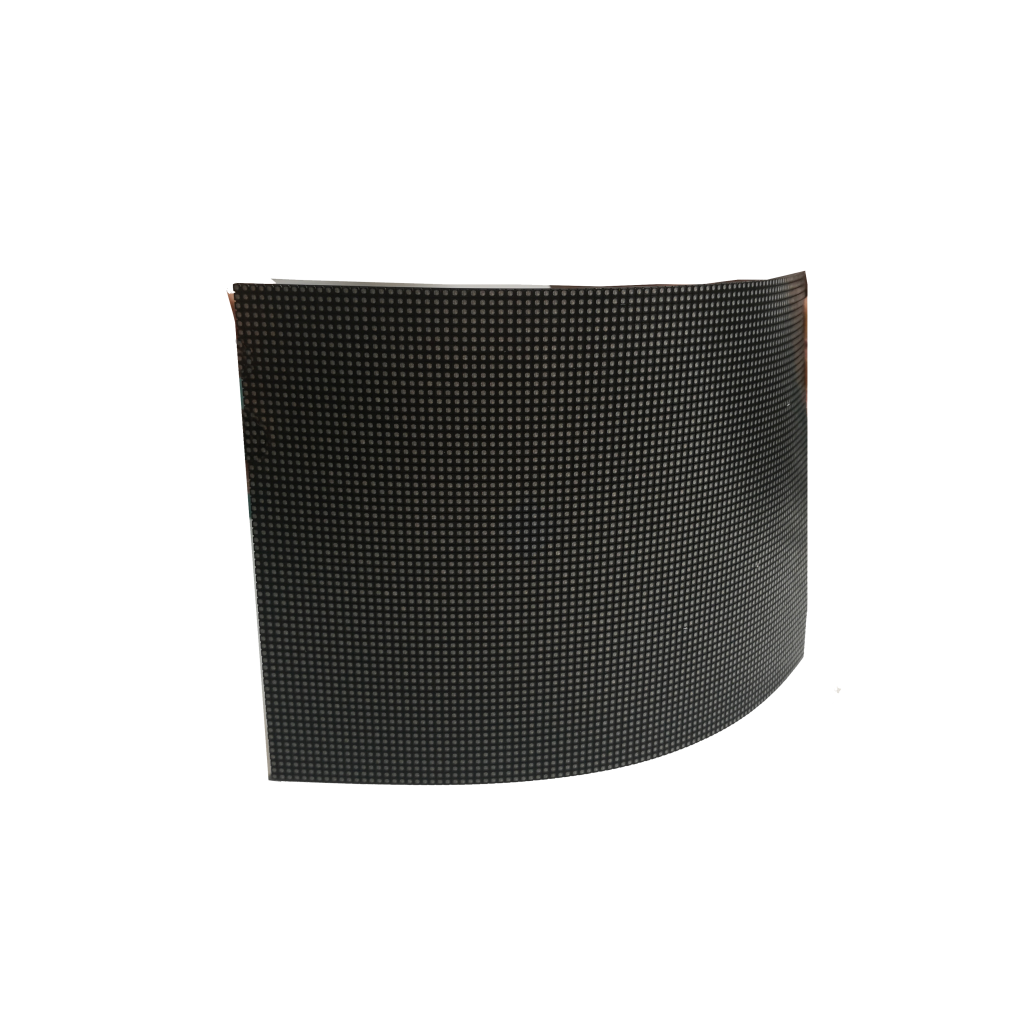


The lifespan of an LED screen typically ranges between 50,000 to 100,000 hours of usage, equivalent to 5-10 years under normal conditions, depending on factors like brightness settings, environmental conditions, and usage patterns. High-quality LED screens with proper cooling and moderate brightness can last closer to the upper limit, while screens running at maximum brightness 24/7 may degrade faster. Pixel burnout or color shifts may occur over time, but modern LEDs gradually dim rather than fail abruptly. Regular maintenance and avoiding extreme temperatures can extend their lifespan significantly.
Average LED Screen Lifespan
On average, a well-maintained LED display lasts 50,000 to 100,000 hours—equivalent to 5 to 10 years of typical use (8-10 hours per day). Higher-end models, like those used in commercial settings, often reach 100,000+ hours, while budget screens may start degrading after 30,000 hours. Unlike older display technologies, LEDs don’t suddenly fail; instead, they gradually lose brightness. A screen is considered “end of life” when its brightness drops to 50% of its original output, a point known as L50 rating.
Several key factors influence longevity: usage hours, brightness settings, environmental conditions, and manufacturing quality. For example, an LED screen running at 100% brightness 24/7 in a hot environment may last only 3-4 years, while one kept at medium brightness (60-70%) in a climate-controlled room can last 8+ years. Let’s break down the details.
How Long Do LED Screens Really Last
Most manufacturers rate LED screens based on L70 or L50 metrics, meaning the display remains usable until brightness drops to 70% or 50% of its initial output. High-quality panels, like those from Samsung or LG, often exceed 100,000 hours (L70), while cheaper brands may only guarantee 30,000-50,000 hours (L50).
Usage patterns matter significantly:
- Home TVs (4-6 hours/day): Typically last 10-15 years before noticeable dimming.
- Digital signage (16+ hours/day): Lasts 3-6 years due to constant operation.
- Outdoor LED billboards (24/7): Require higher-grade components to survive 5-7 years under weather stress.
Environmental impact:
- Temperature: Operating above 35°C (95°F) can reduce lifespan by 20-30%.
- Humidity: Levels above 70% RH accelerate corrosion in internal circuits.
- Dust/Pollution: Clogged cooling vents cause overheating, shortening life by 15-25%.
Brightness vs. Lifespan Trade-off:
| Brightness Level | Estimated Lifespan (L50) |
|---|---|
| 100% (Max) | 30,000 – 50,000 hours |
| 70% (Recommended) | 60,000 – 80,000 hours |
| 50% (Low) | 80,000 – 100,000+ hours |
Real-world example: A 55-inch Samsung QLED TV running at 70% brightness in a 22°C (72°F) room will likely last 8-12 years, whereas the same model at 100% brightness in a 30°C (86°F) environment might degrade in 5-7 years.
Component wear:
- LED backlights fade over time, with blue LEDs degrading slightly faster than red/green.
- Power supplies and capacitors often fail before the LEDs themselves, especially in cheaper models.
- Pixel defects (dead/stuck pixels) become more common after 20,000+ hours.
Pro tip: To maximize lifespan, keep brightness at 60-80%, ensure proper ventilation, and avoid static images (burn-in risk). If used for digital signage, enable screen savers or rotation to prevent uneven wear.
Factors Affecting Longevity
While most manufacturers claim 50,000 to 100,000 hours, real-world longevity depends on usage intensity, environmental conditions, and hardware quality. For example, a TV in a cool, dimly lit living room might last 12+ years, while the same model running at full brightness in a sunlit storefront could degrade in 4-5 years. The difference comes down to heat, brightness, power stability, and maintenance. Even small changes—like reducing brightness from 100% to 70%—can extend lifespan by 30-50%. Let’s examine the key factors that determine how long your LED screen will last.
What Really Determines How Long an LED Screen Lasts
1. Heat: The Silent Killer
LEDs generate heat, and every 10°C (18°F) above room temperature (22°C/72°F) cuts lifespan by 20-30%. A screen running at 35°C (95°F)—common in poorly ventilated spaces—might only last 40,000 hours instead of the rated 70,000. Outdoor displays face even harsher conditions, with summer temperatures pushing 50°C (122°F), accelerating wear. High-end commercial screens use aluminum heat sinks and active cooling fans to combat this, but most consumer models rely on passive cooling, making them more vulnerable.
2. Brightness vs. Longevity Trade-Off
Running an LED at maximum brightness (100%) stresses the diodes, reducing lifespan by 40-50% compared to 70% brightness. For digital signage, auto-dimming features (adjusting brightness based on ambient light) can add 2-3 years to the display. OLED screens are even more sensitive—static high-brightness content can cause burn-in in 3,000-5,000 hours, while LED-backlit LCDs handle it better.
3. Power Quality & Voltage Fluctuations
A screen running on unfiltered power may fail in 5 years, while one with a surge protector or UPS lasts 8-10 years. Industrial-grade LED billboards often use dual power inputs and voltage regulators to prevent this.
4. Usage Patterns: Continuous vs. Intermittent
A TV used 4 hours/day lasts 2-3x longer than a digital sign running 16+ hours/day. However, frequent on/off cycling (more than 10x/day) strains the power circuitry, potentially shortening lifespan by 15-20%. For 24/7 applications, commercial-grade panels with reinforced power systems are a must.
5. Environmental Factors
- Humidity (>70% RH): Causes oxidation in connectors and circuit boards, leading to early failure (3-5 years in coastal areas vs. 8+ years in dry climates).
- Dust & Pollution: Clogs cooling vents, increasing internal temps by 5-10°C and cutting lifespan by 1-2 years.
- UV Exposure (Outdoor Screens): Sunlight degrades plastic diffusers and polarizers, causing yellowing or cracking after 3-4 years unless UV-resistant coatings are used.

Signs of Wear Over Time
After 20,000+ hours of use (about 5 years at 10 hours/day), most displays start showing visible wear, from slight color shifts to dead pixels. By 50,000 hours, brightness may drop to 70% of its original output, making images look dull. Unlike old CRT TVs that died suddenly, LEDs fade slowly, giving you time to notice issues like uneven backlighting, flickering, or permanent burn-in. Catching these signs early can help you extend the screen’s useful life or plan for a replacement before it becomes unusable. Here’s how to spot aging before it’s too late.
How to Tell Your LED Screen Is Wearing Out
1. Brightness Loss: The Most Obvious Sign
A new LED screen typically outputs 250-400 nits of brightness, but after 30,000 hours, this can drop by 20-30%. By 50,000 hours, many screens dim to 150-200 nits, making them harder to see in bright rooms. If you’re constantly adjusting brightness to compensate, the backlight is likely degrading. Professional calibrators measure this with luminance meters, but a simple test is comparing the screen to a newer model—if yours looks noticeably darker or washed out, it’s aging.
2. Color Inaccuracy & Shifting
After 40,000+ hours, color accuracy drifts by 10-15% Delta E, making photos and videos look “off.” Gamers and designers notice this first—skin tones may appear too warm, or blacks might look grayish. Some high-end monitors have self-calibration to compensate, but most consumer TVs don’t.
3. Dead/Stuck Pixels & Screen Uniformity Issues
A few dead pixels (black dots) or stuck pixels (always red/green/blue) are normal after 3-5 years, but clusters of 5+ dead pixels signal deeper problems. Worse is backlight bleeding—uneven brightness at the edges, often appearing as glowing patches in dark scenes. This worsens over time as the LED diffuser layers wear out.
4. Flickering & Power Instability
This often starts after 25,000+ hours and gets worse with heat. Flickering that changes with screen content (like only happening during bright scenes) points to capacitor failure in the power circuit.
When to Repair vs. Replace?
- Under 30,000 hours: Minor issues (a few dead pixels, slight dimming) can often be ignored.
- 30,000-60,000 hours: Consider professional backlight replacement (costs 400 for TVs) if brightness loss bothers you.
- 60,000+ hours: Not worth repairing—plan for a new screen.
Pro Tip: To check your screen’s health, run a solid color test (search YouTube for “LED test patterns”). Look for dead pixels, uneven backlighting, or discoloration. If more than 5% of the screen is affected, it’s nearing the end of its useful life.
Proven Ways to Make Your LED Screen Last Longer
Brightness: Find the Sweet Spot
Most people crank brightness to 100% for vivid colors, but that strains LEDs and cuts lifespan by 40-50%. The ideal range is 60-80%—bright enough for clear visuals without excessive wear. If you’re watching in a dark room, 50% brightness is often sufficient. For digital signage, use auto-dimming sensors to adjust based on ambient light, which can save 3,000-5,000 hours of unnecessary high-brightness operation per year.
Heat Management: Keep It Cool
LEDs degrade twice as fast at 35°C (95°F) compared to 22°C (72°F). Ensure at least 2-4 inches of clearance behind the screen for airflow, and dust vents monthly to prevent clogging. For high-end setups, consider external cooling fans (costing 50) to lower temps by 5-8°C. In hot climates, avoid placing screens near windows, radiators, or server racks—even a 3°C drop in operating temperature can add 1+ year to the display’s life.
Usage Patterns: Smart Scheduling
Leaving a screen on 24/7 cuts lifespan by half, but constantly turning it on/off (more than 5x daily) stresses capacitors. The best approach:
- Home TVs: Turn off when not in use (saves 1,000+ hours/year).
- Digital signage: Use scheduled power cycles (e.g., 6 AM–10 PM) to give the screen 8 hours of rest daily.
- OLED screens: Enable pixel refresh weekly to prevent burn-in.
Screen Maintenance: Prevent Physical Wear
- Clean gently with a microfiber cloth (no alcohol-based sprays—they damage coatings).
- Avoid pressure on the screen (poking or pressing accelerates pixel death).
- Rotate static content (for digital menus/billboards) every 2-4 hours to prevent burn-in.
Firmware & Settings Optimization
Check for firmware updates every 6 months—a 10-minute update can optimize performance by 5-10%. Also, disable unnecessary features like motion smoothing or AI brightness, which often run LEDs harder than needed.
When to Replace Parts Instead of the Whole Screen
- Backlight failure (30,000-50,000 hours): Replacing LED strips costs 300 vs. a new TV.
- Power supply issues: A $50 replacement board can fix flickering/black screens.
- Dead pixels under warranty: Many brands cover 5+ dead pixels in the first 1-3 years.
Cost vs. Benefit Breakdown
| Action | Cost | Added Lifespan |
|---|---|---|
| Lower brightness to 70% | $0 | +10,000 hours |
| Add surge protector | $30 | +2-3 years |
| Clean vents monthly | $0 | +1-2 years |
| Upgrade cooling (fans) | $50 | +3,000-5,000 hours |
Final Tip: Track your screen’s usage hours (found in settings or via a smart plug with energy monitoring). Once you hit 40,000+ hours, start planning for eventual replacement—even with great care, all LEDs fade eventually.


![How to Choose a Flexible LED Display [Buyer's Guide]](https://www.szradiant.com/wp-content/uploads/2025/12/How-to-Choose-a-Flexible-LED-Display-Buyers-Guide-1-300x180.jpg)


