


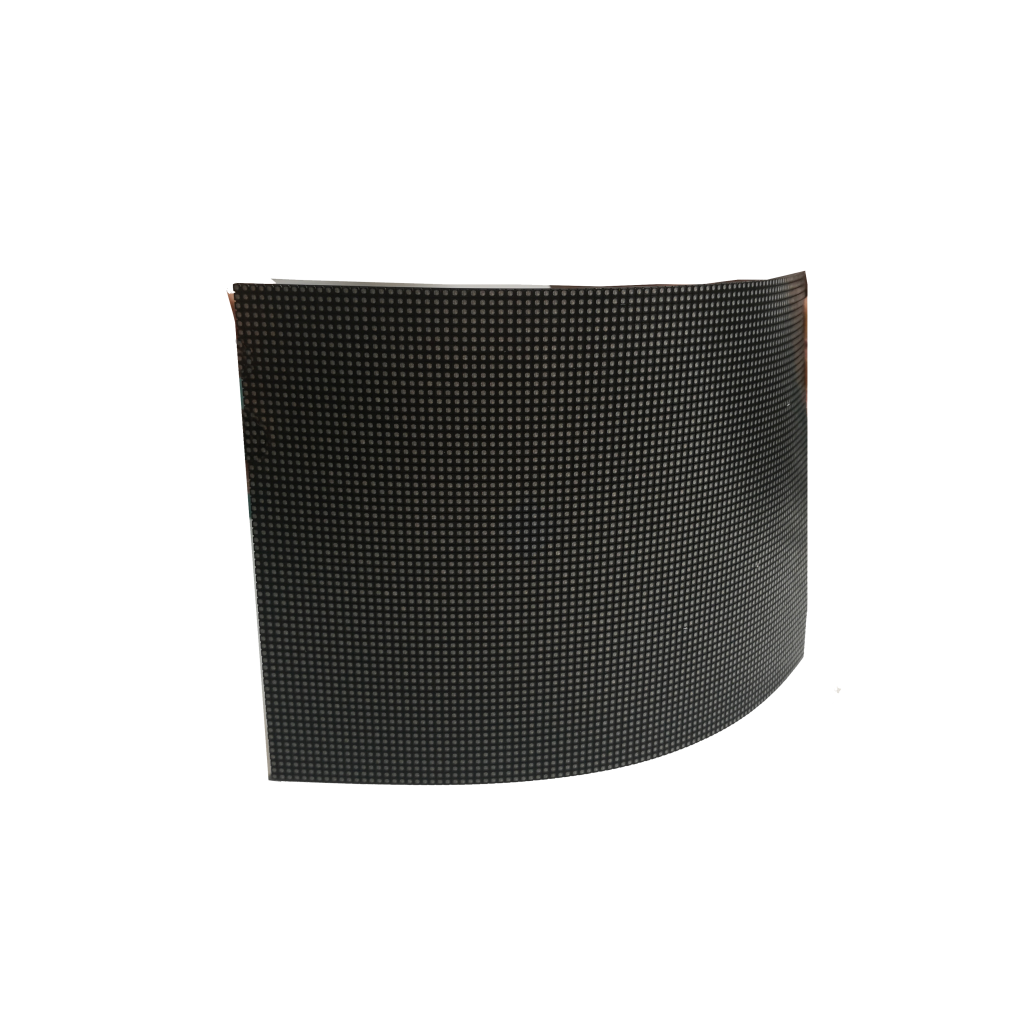


When selecting Video Wall LED Panels, compare pixel pitch (e.g., 1.2mm for close viewing vs. 3mm for large venues), brightness (1000-1500 nits for indoor, 5000+ nits for outdoor), refresh rate (3840Hz+ for smooth motion), color accuracy (90% NTSC for vivid hues), and viewing angle (160°+ for wide visibility), ensuring optimal performance for your specific application.
Pixel Pitch Matters
A smaller pitch (e.g., 1.2mm) means tighter pixel density, delivering sharper images up close, while a larger pitch (e.g., 4mm) works better for long-distance viewing, like stadiums or outdoor billboards.
For example, a 1.5mm pitch LED panel is ideal for control rooms or retail displays where viewers stand 3-5 meters away. In contrast, a 3mm pitch panel is more cost-effective for conference rooms or lobbies where the audience is 6-10 meters back. The wrong pitch can lead to blurry images or unnecessary costs—choosing a 1.2mm panel for a 10m viewing distance wastes money since the human eye can’t discern the extra detail at that range.
How Pixel Pitch Affects Performance
The relationship between pixel pitch and optimal viewing distance follows a simple rule: Viewing Distance (m) = Pixel Pitch (mm) × 1000. For a 2mm pitch, the best viewing range is 2 × 1000 = 2,000mm (2 meters). This is why high-resolution video walls in broadcast studios or corporate lobbies often use 1.2mm to 1.8mm pitches, while large outdoor screens (e.g., stadiums, concert venues) use 4mm to 10mm pitches.
A 1.2mm LED panel can cost 30-50% more than a 2.5mm panel of the same size due to higher manufacturing complexity.
Here’s a quick comparison of common pixel pitches and their best uses:
| Pixel Pitch (mm) | Best Viewing Distance | Typical Applications | Relative Cost (vs. 2.5mm) |
|---|---|---|---|
| 1.2 | 1.2m – 3m | Control rooms, luxury retail | 150% |
| 1.5 | 1.5m – 4m | Corporate lobbies, museums | 130% |
| 2.5 | 2.5m – 7m | Conference rooms, airports | 100% (baseline) |
| 4.0 | 4m – 12m | Stadiums, outdoor ads | 70% |
| 6.0 | 6m – 18m | Large event screens | 50% |
A 1.2mm panel consumes 20-30% more power than a 2.5mm panel of the same brightness because it has more LEDs per square meter. If you’re running a 24/7 digital signage network, this difference adds up—higher electricity bills and more heat dissipation, which may require additional cooling systems.
A 1.2mm panel might need 5-10% of its LEDs replaced after 5 years, while a 4mm panel could last 8-10 years with <3% failure.
Key Takeaways
- Smaller pitch = sharper image but higher cost & power use
- Larger pitch = better for distant viewing & lower expenses
- Match pitch to actual viewing distance to avoid overspending
- Consider long-term costs (power, maintenance) beyond initial price
A 1.5mm panel might look amazing in a showroom, but if your viewers are 6 meters away, a 2.5mm screen will deliver the same experience at half the cost.
Brightness Levels Explained
For example, a 500-nit indoor panel works fine in a dimly lit conference room, but the same screen would look washed out in a shopping mall with 1000 lux of overhead lighting. On the other hand, an outdoor billboard facing direct sunlight needs at least 5000 nits to remain visible. Choosing the wrong brightness level leads to poor visibility or unnecessary power consumption—a 7000-nit screen indoors is overkill, costing 40-50% more in electricity than a 1000-nit alternative.
How Brightness Impacts Performance and Cost
The human eye perceives brightness logarithmically, meaning a 1000-nit screen doesn’t look twice as bright as a 500-nit one—it’s only about 30% more noticeable. A 5000-nit outdoor LED panel consumes 5x more energy than a 1000-nit indoor model, which translates to higher operating costs over time.
Here’s a breakdown of typical brightness requirements:
- Indoor, low ambient light (e.g., control rooms, home theaters): 300-600 nits
- Indoor, bright environments (e.g., retail stores, airports): 800-1500 nits
- Outdoor, shaded areas (e.g., stadium tunnels, bus shelters): 2500-4000 nits
- Outdoor, direct sunlight (e.g., highway billboards, rooftop displays): 5000-10,000 nits
Most manufacturers offer adjustable brightness settings, allowing you to lower intensity in darker conditions. Running a 1500-nit panel at 800 nits reduces power use by 25-30%, extending the lifespan of LEDs by 15-20%.
High-brightness LEDs generate more heat—a 7000-nit screen can reach 50-60°C at full load, requiring active cooling systems (fans or liquid cooling) to prevent premature failure. In contrast, a 1000-nit indoor panel operates at 30-35°C, often relying on passive cooling (heat sinks only).
A 5000-nit outdoor panel costs 2-3x more than a 1000-nit indoor version of the same size, not just due to higher LED density but also because of reinforced housings (for weather resistance) and extra cooling components.
Key Takeaways
- Match brightness to environment—don’t overspend on unnecessary nits
- Higher brightness = higher power use, heat, and long-term costs
- Adjustable brightness saves energy and extends LED lifespan
- Outdoor screens need 5x more brightness than indoor ones
A 1500-nit panel might seem like a safe “middle ground,” but if your venue has controlled lighting, 800 nits could be just as effective at half the operational cost.
Refresh Rate Basics
While standard video content plays at 24-60 frames per second, LED panels need much higher refresh rates – typically 960Hz to 3840Hz – to maintain smooth motion and avoid visible flickering.
The difference between a 960Hz and 3840Hz panel becomes immediately apparent with fast-moving content. Sports broadcasts shown on a 960Hz screen might exhibit slight motion blur during rapid camera pans, while the same content on a 3840Hz display remains crystal clear. This performance gap explains why broadcast trucks and control rooms insist on 1920Hz minimum, with many upgrading to 3840Hz for future-proofing.
The Real-World Impact of Refresh Rate Choices
In practical terms, refresh rate affects three key areas: A 3840Hz panel provides about 30% better motion clarity than a 1920Hz model when displaying 60fps content, but this comes with a 12-18% increase in power draw. For a medium-sized 6m² video wall running 12 hours daily, this translates to roughly $300-400 in additional annual electricity costs.
A 3840Hz panel typically achieves under 2ms of processing delay, compared to 5-8ms for 1920Hz and 10-15ms for 960Hz models. Some high-end control rooms now demand 5000Hz+ refresh rates specifically to minimize this latency.
News tickers and basic digital signage perform perfectly fine at 960Hz, while fast-paced esports content demands at least 1920Hz for acceptable clarity. The most demanding applications – like Formula 1 broadcasts showing 300km/h race footage – benefit tremendously from 3840Hz’s superior motion handling.
Key Takeaways
- Higher refresh rates deliver smoother motion but increase power consumption
- 1920Hz eliminates camera flicker for professional broadcast use
- 3840Hz provides noticeable improvements for high-speed content
- Match your refresh rate to both current needs and future requirements
For most corporate and digital signage applications, 1920Hz represents the sweet spot between performance and cost. Only specialized environments like sports arenas, esports venues, and broadcast facilities truly require the additional clarity of 3840Hz panels.

Color Accuracy Simplified
Professional displays measure this using Delta E (ΔE) values, where ΔE<3 is considered indistinguishable from perfect by the human eye, while ΔE>5 shows noticeable color shifts. Most mid-range LED panels hit ΔE 3-5, while broadcast-grade displays achieve ΔE<2 through advanced calibration.
Standard sRGB covers about 72% NTSC, while premium displays reach 90-97% NTSC – crucial for applications like color grading suites where a 5% difference in blue reproduction could mean the difference between ocean and sky tones. Interestingly, while human vision can detect 1 million colors, most commercial LED panels display 16.7 million colors (8-bit) or 1.07 billion colors (10-bit), with the latter costing 15-20% more due to enhanced processing chips.
The Economics and Technology Behind Color Performance
Premium displays use binning – sorting LEDs by color consistency – with tighter bins commanding 20-30% higher prices. A typical 2.5mm pitch panel might use 50,000 LEDs per square meter; if just 5% fall outside the target color range, the entire display develops visible patches where skin tones or corporate colors appear inconsistent. This explains why broadcasters pay 40-50% more for displays with ΔE<2 certification compared to ΔE 3-5 consumer-grade panels.
LED color output shifts about 0.5-1% per degree Celsius – meaning a panel running at 65°C could show 15-20% color deviation from its calibrated state at 25°C. High-end installations combat this with real-time color sensors that adjust output dynamically, adding $50-75 per square foot to system costs but maintaining ΔE<3 even in fluctuating environments.
Fashion retail video walls demand ΔE<3 to accurately showcase clothing colors, while a sports bar might tolerate ΔE 5-7 since viewers focus more on motion than precise hues. The financial impact becomes clear when considering returns – a jewelry brand using ΔE>5 displays saw 12% higher product returns from customers complaining items “looked different at home.”
While consumer displays might ship with factory calibration lasting 6-12 months, professional environments recalibrate every 2000 hours (about 3 months of 24/7 operation). Each calibration session for a 10m² video wall takes 2-3 hours of technician time at $150-200/hour, making self-calibrating systems worth the 20% premium for high-usage installations.
An 8-bit panel displaying a sunset might show visible banding in the gradient, while a 10-bit panel renders the same image with 64x more color steps. This difference becomes critical in medical imaging (where 10-bit is mandatory) or luxury automotive showrooms (where paint finishes require precise representation). The processing power needed for 10-bit adds 8-12% to both initial cost and power consumption.
While premium panels maintain ΔE<5 at 160° viewing angles, cheaper models may hit ΔE 10-15 at extreme angles – explaining why control rooms insist on 178° viewing angle specifications despite the 25-30% cost premium.
Key Takeaways
- ΔE<3 is the gold standard for color-critical applications
- 10-bit color eliminates banding but increases system costs
- Temperature fluctuations can degrade color accuracy by 15-20%
- Viewing angles dramatically affect perceived color consistency
For most corporate installations, targeting ΔE<5 and 90% NTSC provides the best balance between quality and budget. Only broadcast facilities, medical imaging, and premium retail spaces truly need the ΔE<2 and 97% NTSC capabilities of professional-grade systems.
Viewing Angle Importance
Standard LED panels maintain decent quality up to 120°, while premium models push this to 160-178° – meaning viewers at extreme angles still see accurate colors and consistent brightness.
In a 10m wide corporate lobby, someone standing 5m from the center at a 45° angle would see 30% brightness drop and noticeable color shift on a basic 120° panel, while a 160° model would show less than 10% variation. This explains why control rooms and boardrooms pay 15-25% more for wide-viewing-angle displays – when decision-makers are spread across a 20-seat conference table.
How Viewing Angles Affect Performance and Cost
Standard 120° panels use simple dome lenses that concentrate most light forward, while 160°+ models employ sophisticated micro-lens arrays that distribute light more evenly. This technology adds $50-75 per square meter to manufacturing costs but makes the difference between a display that works in a narrow hallway versus one that performs in a circular command center.
A 120° panel might start at 1000 nits head-on but drops to 600 nits at 60° off-center – a 40% decrease that becomes painfully obvious in side-by-side comparisons. High-end 178° displays maintain 85%+ brightness even at extreme angles, thanks to backlight compensation circuits that adjust output dynamically. This consistency matters most in retail, where a 30% brightness drop could make the difference between catching a shopper’s eye or blending into the background.
While a premium panel might maintain ΔE<3 across its entire 160° viewing cone, budget models can hit ΔE 8-10 at just 45° off-center.One luxury retailer measured 12% fewer returns after upgrading to wide-viewing-angle displays that showed consistent colors throughout their showroom.
A flat video wall in a narrow corridor might work fine with 140°, while a 270° curved display in an airport terminal absolutely requires 178° performance. The more extreme the viewing positions, the more you’ll benefit from premium viewing angles – though the 20-30% price premium only makes sense when you’ve got viewers regularly positioned beyond 60° angles.
When LED panels heat up to 50-60°C during extended operation, their viewing angles can shrink by 5-10% as the lens materials expand slightly. This explains why mission-critical installations often include active cooling systems – maintaining 35-40°C operating temperatures ensures the specified viewing angles remain consistent 24/7.
Key Takeaways
- 120° viewing angles suffice for straightforward, head-on viewing
- 160°+ models maintain consistency in wide or curved installations
- Brightness can drop 30-40% at angles on basic displays
- Premium viewing angles cost 15-25% more but prevent visual inconsistencies
For most corporate lobbies and control rooms, 160° hits the sweet spot between performance and price. Only extreme environments like circular command centers or 360° brand experiences truly need the 178° capabilities of top-tier displays.


![How to Choose a Flexible LED Display [Buyer's Guide]](https://www.szradiant.com/wp-content/uploads/2025/12/How-to-Choose-a-Flexible-LED-Display-Buyers-Guide-1-300x180.jpg)


