


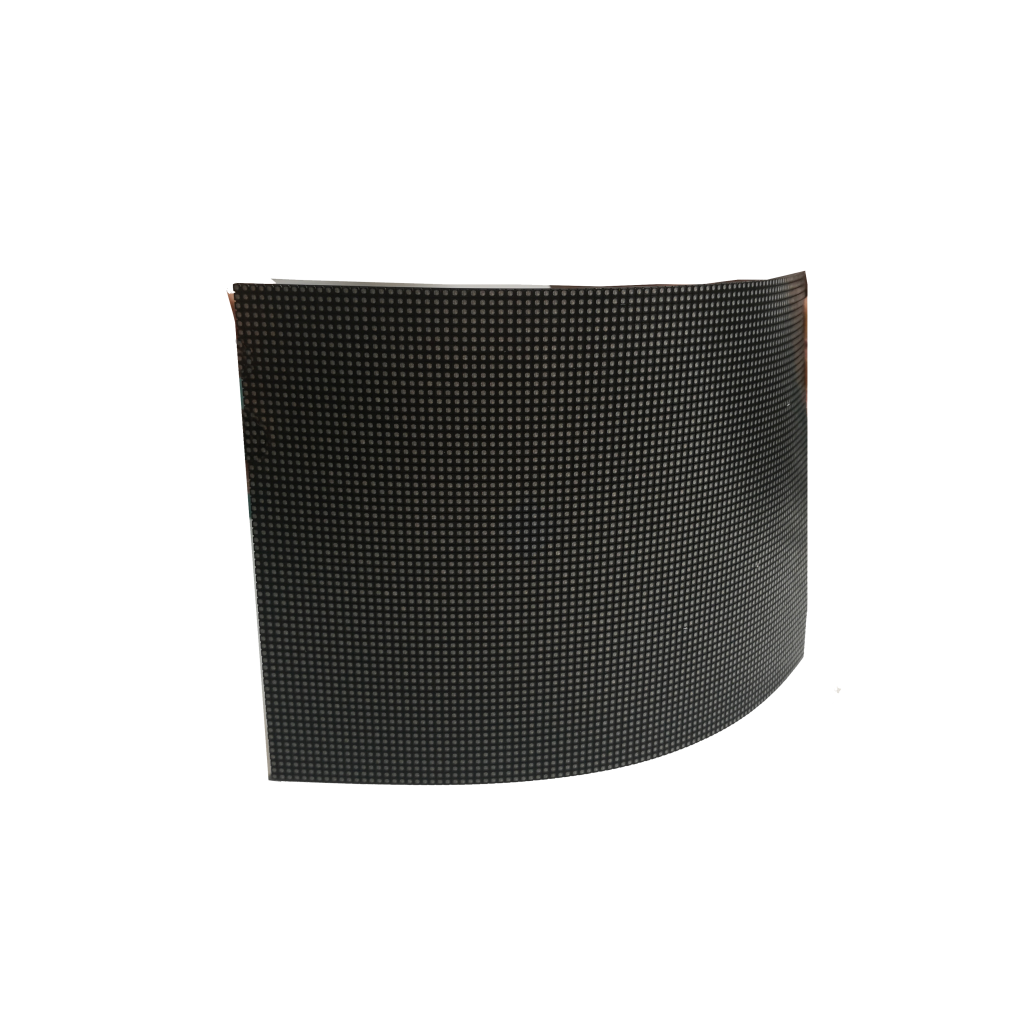


The cost of an LED video wall depends on six key components: pixel pitch (e.g., P1.2 to P10, with smaller pitches costing more), panel quality (standard vs. high-brightness), resolution (4K vs. 8K), cabinet material (aluminum vs. steel), installation complexity (indoor vs. outdoor), and additional features like HDR or 3D support, which can increase the price by 20-30%. Maintenance and warranty terms also impact long-term costs.
Pixel Pitch Matters
A tighter pixel pitch (e.g., P1.2) delivers sharper images but costs 30-50% more than a P3 or P4 panel. For example, a P1.5 screen averages 1,200 per sqm, while a P4 panel drops to 500 per sqm.
| Pixel Pitch (mm) | Best Viewing Distance | Typical Price Range (per sqm) | Common Use Cases |
|---|---|---|---|
| P1.2 – P1.5 | 1.5 – 3m | 1,500 | Broadcast studios, luxury retail |
| P1.8 – P2.5 | 3 – 6m | 1,000 | Corporate lobbies, control rooms |
| P3 – P4 | 6 – 12m | 600 | Stadiums, outdoor advertising |
| P5 – P10 | 12m+ | 400 | Large outdoor billboards |
Smaller pixel pitches (≤P2.5) are ideal for close-up viewing (under 6m) because they pack more LEDs per square meter—a P1.2 screen has 694,444 pixels/sqm, while a P4 has just 62,500. However, tighter pitches consume 15-25% more power due to higher LED density. For a 10 sqm P1.5 screen, expect 1.2–1.5 kW/h versus 0.8–1.0 kW/h for a P3 of the same size.
Resolution scales with pixel pitch—a P1.5 4K screen (3840×2160) requires just 2.9m x 1.6m, while a P4 4K screen needs 7.7m x 4.3m. This means smaller pitches save space but demand higher manufacturing precision, increasing costs. For example, SMD (Surface-Mounted Device) LEDs in P1.2–P2.5 panels cost 0.05 per LED, while COB (Chip-on-Board) LEDs (used in ultra-fine pitches) can exceed $0.08 per LED.
Maintenance costs also vary—fine-pitch screens (≤P2.5) are 20–30% more expensive to repair due to complex circuitry. A single P1.5 module replacement costs 400, whereas a P4 module is 150. However, tighter pitches last longer (100,000+ hours) because they typically use higher-grade materials like black-faced LEDs (reducing glare) and copper PCB (better heat dissipation).
For budget-conscious projects, P2.5–P4 strikes the best balance—clear enough for 6–10m viewing while keeping costs 40–60% lower than P1.5. But if viewers are within 3m, P1.2–P1.8 is non-negotiable—blurriness below 2.5mm pitch becomes obvious at 2m distances. Always match pixel pitch to actual viewing conditions—overspending on P1.2 for a stadium wastes money, while P4 in a boardroom looks pixelated.
Panel Quality & Brightness
Standard indoor panels typically run at 500–1,000 nits, while high-brightness outdoor screens push 5,000–10,000 nits to combat sunlight. A 1,500-nit panel costs 15–20% more than a 800-nit version, but it’s essential for spaces with ambient light above 500 lux.
- Entry-level panels (500–800 nits) are common in conference rooms and indoor signage, priced at 500 per sqm.
- Mid-range panels (1,000–2,500 nits) suit retail stores and transport hubs, costing 900 per sqm.
- High-brightness panels (5,000+ nits) are for outdoor billboards and stadiums, averaging 2,000 per sqm.
LED chip quality plays a huge role—Epistar and Nichia chips last 80,000–100,000 hours, while cheaper alternatives degrade 30% faster (50,000–70,000 hours). A panel with Nichia LEDs costs 100 more per sqm but offers better color accuracy (ΔE <3) and lower power consumption (20–30W per sqm vs. 35–50W for budget chips).
Refresh rate matters for smooth motion—basic panels run at 960Hz, causing flicker in camera shots, while high-end models (3,840Hz+) eliminate this issue. A 1,920Hz panel adds 150 per sqm.
Durability varies by construction—aluminum cabinets last 10–15 years outdoors, while steel frames corrode 2–3x faster in humid climates. A IP65-rated (dust/waterproof) panel costs 25% more than a standard IP54 version but survives heavy rain and dust storms.
Color gamut separates cheap from premium—80% NTSC is standard, but 95% NTSC (or DCI-P3) panels deliver richer reds and greens, crucial for advertising and entertainment. Upgrading to wide-gamut LEDs adds 400 per sqm, but boosts ad engagement by 10–15% in high-end retail.
Heat management affects lifespan—panels with copper heat sinks run 10–15°C cooler than those with aluminum, extending LED life by 20%. A 10 sqm screen with poor cooling can draw 1,000W+, increasing HVAC costs by $500/year in climate-controlled spaces.
Budget tip: For indoor use, 800–1,500 nits with Epistar LEDs is the sweet spot. Outdoors, 5,000+ nits and IP65 are non-negotiable—skimping leads to washout in sunlight or $10,000+ in early repairs.
Resolution & Viewing Clarity
A 4K (3840×2160) LED wall at P2.5 pitch needs to be 9.6m wide to achieve full resolution, while the same 4K on a P1.2 screen fits in just 4.6m. That’s why pixel pitch and resolution work together—you can’t just buy “4K” without considering screen size.
- For close-up viewing (1–3m), you need ≤P1.8 pitch—anything coarser (P2.5+) shows visible pixels. A P1.5 4K screen (2.9m × 1.6m) costs 40,000, while a P2.5 4K (4.8m × 2.7m) drops to 25,000.
- For digital signage (5–10m away), P3–P4 is fine—a P4 1080p screen (5.2m × 2.9m) costs 12,000, half the price of a P2.5 1080p version.
- For stadiums (15m+ viewing), P6–P10 works—a P8 1080p screen (12m × 6.7m) runs 8,000, but text looks fuzzy under 10m.
Content type matters too—video looks fine at lower resolutions, but text and graphics need higher pixel density. A P3 screen displays 16pt font clearly at 6m, but a P6 screen requires 24pt+ font for readability at the same distance.
Viewing angles affect clarity—cheap panels lose 30–50% brightness at 120° off-center, while premium 160° viewing angle screens stay consistent. A 140° panel costs 10–15% more than a 120° one but prevents color shift for audiences on the sides.
Contrast ratio defines depth—3,000:1 is standard, but 5,000:1+ (with local dimming) makes blacks 40% darker. High-contrast screens cost 20% more but are critical for cinemas and luxury retail.
Refresh rate & motion blur—960Hz refresh is fine for slideshows, but live sports need 1,920Hz+ to avoid ghosting. A 3,840Hz screen adds 100 per sqm but eliminates stutter in fast pans.
Budget tip: Don’t overspend on resolution—1080p is enough for 80% of installations if the pixel pitch matches viewing distance. A P3 1080p screen looks just as sharp as a 4K P6 from 10m away, but costs 30–40% less.

Cabinet Material & Durability
The cabinet is the backbone of an LED video wall—cheap materials save upfront costs but lead to 3–5x higher maintenance expenses over 5 years. Aluminum alloy cabinets dominate the market, costing 100 per sqm (vs. 60 for steel), but they last 10–15 years outdoors compared to steel’s 5–8 years before corrosion sets in.
- Die-cast aluminum is the premium choice—30% lighter than steel (15kg vs. 22kg per sqm) with better heat dissipation, reducing LED failure rates by 15–20% in hot climates.
- Powder-coated steel works for indoor use—it’s 40% cheaper than aluminum but warps in temperatures above 40°C, causing panel gaps >1.5mm after 2–3 years.
- Carbon fiber exists but isn’t cost-effective—at 300 per sqm, it’s only used in military or marine environments where weight must stay under 10kg/sqm.
IP rating is non-negotiable for outdoor screens—IP65 (dustproof/water-resistant) cabinets cost 20–25% more than IP54 but survive monsoon rains and sandstorms. A IP54 screen in coastal areas lasts ≤3 years due to salt corrosion, while IP65 reaches 8+ years with minimal upkeep.
Modularity affects repair costs—front-service cabinets let you replace a P3 LED module in 5 minutes (labor: 50), while rear-access designs require 30+ minutes (labor: 200). High-traffic venues like airports pay $10,000+ extra for front-service designs to avoid 2–3 hour shutdowns per repair.
Thermal performance separates good from bad cabinets—aluminum with copper heat sinks keeps internal temps 10–15°C cooler than steel, extending LED lifespan by 2–3 years. A 10 sqm screen in Dubai hits 60°C internally with poor cooling, triggering 5–8% annual LED failures vs. 2–3% in well-cooled systems.
Budget reality check: Saving 8,000 in corrosion repairs and 15% brightness loss from warped panels kick in. For outdoor/high-humidity installs, aluminum IP65 pays for itself in 3–5 years through lower power draw (5–8% savings) and 60% fewer service calls.
Pro tip: Check cabinet thickness—<2mm steel bends under wind loads >60km/h, while 3mm+ aluminum handles 100km/h gusts. For rooftop billboards, thicker cabinets add 10,000+ storm damage.
Installation & Extra Features
Installation isn’t just about mounting a screen—it’s 15–25% of total project costs, with labor, rigging, and calibration making or breaking performance. A 10 sqm indoor LED wall averages 5,000 to install, while outdoor setups (cranes, weatherproofing) jump to 15,000.
| Installation Type | Cost Range (per sqm) | Time Required | Key Challenges |
|---|---|---|---|
| Wall-mounted (indoor) | 400 | 1–2 days | Structural reinforcement, cable management |
| Ceiling-hung (retail) | 500 | 2–3 days | Weight distribution, safety cables |
| Freestanding (events) | 700 | 3–5 days | Quick assembly, transport logistics |
| Outdoor (billboard) | 1,500 | 5–10 days | Weather sealing, wind load testing |
Structural prep eats budget—a concrete wall needs 100/sqm in reinforcement to hold >100kg/sqm screens, while drywall requires steel framing (60/sqm). Skipping this causes panel sagging (3–5mm misalignment) within 6 months.
Extra features add functionality but cost:
- HDR support boosts contrast 40% but adds 300/sqm and needs 1.5x more power.
- Touch overlay (for interactive displays) runs 1,000/sqm and cuts brightness 15–20%.
- 3D-ready screens require 240Hz refresh rate (5,000–$20,000/project).
- Auto-brightness sensors save 10–15% on power (payback in 2–3 years) but cost 150/sqm.
Calibration is critical—a professional color match (ΔE <2) costs 1,000 per screen but prevents patchy colors (especially with red LEDs, which drift 30% faster than blues). DIY calibration leads to 10–15% brightness variance across panels.
Maintenance contracts save long-term headaches—a 5-year full-coverage plan runs 8–12% of hardware cost/year but includes 2–4 cleanings/year (dust reduces brightness 1–2%/month) and 24hr emergency repairs. Without it, a single failed power supply (1,500+ in after-hours labor.
Hidden costs bite back:
- Permits for outdoor screens: 10,000 (varies by city)
- Power infrastructure: 8,000 for 20kW+ screens (new transformers, conduits)
- Content management systems: 5,000 for cloud-based scheduling
Pro tip: For rental/stage use, quick-release frames (add $200/sqm) cut setup time 50% vs. bolt-on systems. But for permanent installs, welded frames prevent 0.5–1mm shifts that cause visible seams over time.
Budget killer: Underestimating thermal management—a 50 sqm screen without proper ventilation hits 60°C+, triggering 5–8% LED failures/year (


![How to Choose a Flexible LED Display [Buyer's Guide]](https://www.szradiant.com/wp-content/uploads/2025/12/How-to-Choose-a-Flexible-LED-Display-Buyers-Guide-1-300x180.jpg)


