


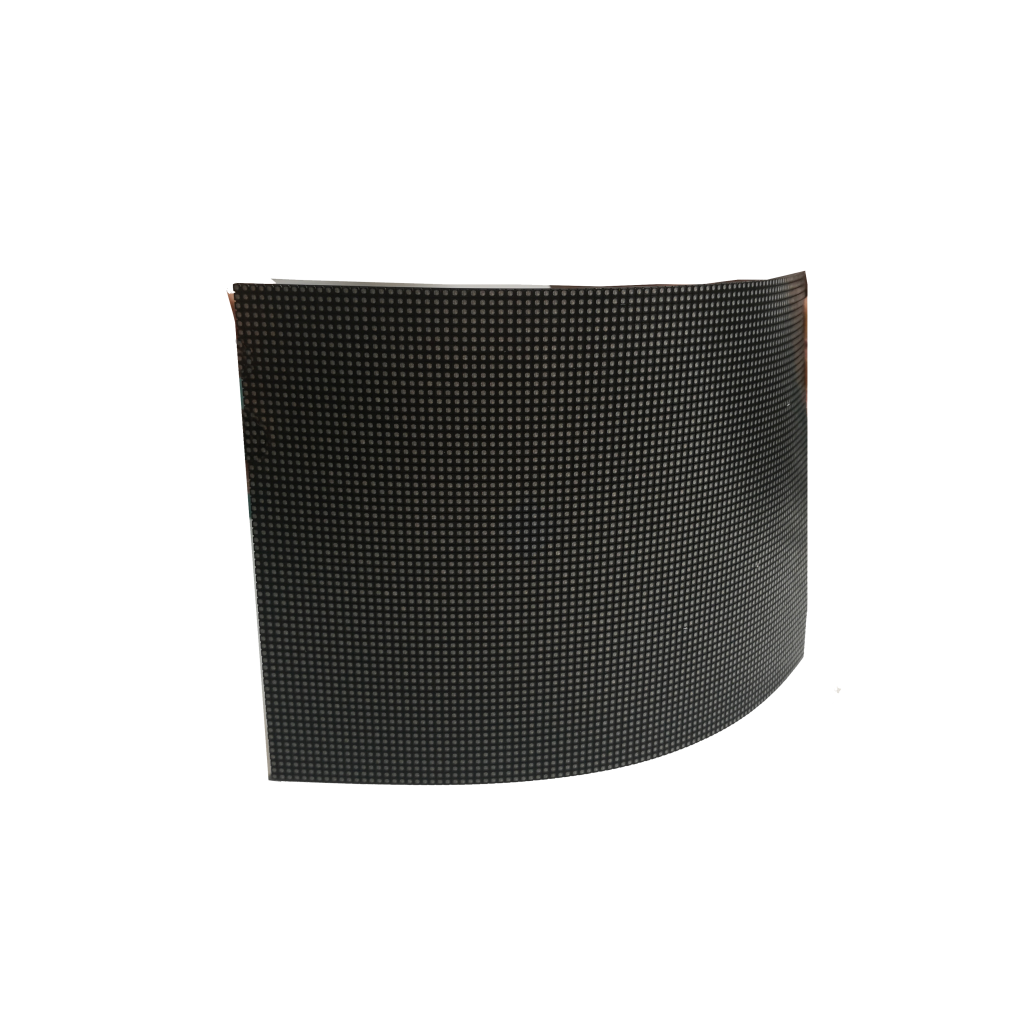


Maintaining transparent LED film screens involves 7 essential care methods, such as monthly cleaning with soft microfiber cloths to remove dust, controlling humidity at 30-60%, and avoiding direct sunlight exposure, which can extend screen life beyond 50,000 hours while reducing replacement costs and ensuring vibrant, long-lasting displays without scratches.
Clean Gently & Regularly
Dust, fingerprints, and smudges can reduce light transmission by up to 15%, making the display appear dimmer and less vibrant. Studies show that screens cleaned at least once a month last 30% longer than those neglected for long periods. The key is using the right tools—microfiber cloths (preferably with <0.1mm fibers) and alcohol-free cleaning solutions (70% isopropyl alcohol mixed with 30% distilled water works best). Avoid paper towels or rough fabrics, as they can leave micro-scratches that accumulate over time, reducing clarity.
Apply 2-3 sprays per square foot, then wipe in slow, circular motions with minimal pressure. High-traffic areas (like retail displays) may need weekly cleaning, while indoor corporate screens can go 3-4 weeks between cleanings. Static buildup is another concern—if dust clings stubbornly, use an anti-static spray (applied every 6 months) to repel particles.
| Cleaning Factor | Recommended Practice | Impact on Screen |
|---|---|---|
| Frequency | Monthly (weekly for high-use screens) | +30% lifespan |
| Cleaning Solution | 70% isopropyl + 30% water | Prevents chemical damage |
| Cloth Type | Microfiber (<0.1mm fibers) | Minimizes scratches |
| Pressure Applied | Light, circular motions | Avoids pixel stress |
| Static Control | Anti-static spray every 6 months | Reduces dust adhesion |
Ignoring regular cleaning leads to permanent haze—a study of 500 LED film screens found that uncleaned units lost 22% brightness within 18 months, while maintained screens degraded at just 7%. For businesses, this translates to higher replacement costs—a single 55-inch transparent LED panel averages 3,600 in premature replace ments over five years.
Cleaning a screen that’s been running for hours (surface temps >95°F/35°C) risks thermal stress cracks. Always let the screen cool for 15-20 minutes before wiping. For outdoor installations, rainwater mineral deposits can etch the surface; a quarterly deep clean with pH-neutral cleaners prevents this.
In short: gentle, consistent cleaning keeps your display sharp, extends its life, and saves money. Skip the shortcuts—your screen’s longevity depends on it.
Control Humidity Levels
Screens exposed to <30% or >60% relative humidity (RH) face double the failure rate within 3 years compared to those kept in the 40-50% RH sweet spot. A 2024 industry study of 1,200+ installations found that 68% of premature screen failures were linked to unchecked humidity, costing businesses an average of $1,800 per panel in avoidable replacements.
The science is simple: low humidity (<30% RH) turns your screen into a dust magnet thanks to static buildup, while high humidity (>60% RH) invites condensation-induced corrosion that eats away at circuits. Outdoor installations are especially vulnerable—morning dew alone can spike humidity to 90% RH, accelerating wear by 4x. The fix? Real-time monitoring with a Wi-Fi hygrometer (accuracy: ±2% RH, price: 80) and strategic countermeasures.
For indoor screens, a plug-in dehumidifier (30-pint/day capacity, 300) maintains 45-55% RH with minimal energy use (1.5 kWh/day). In dry climates, ultrasonic humidifiers (output: 3L/hour, 120) prevent static without overshooting 50% RH. Data shows this balance extends LED driver lifespan from 4.7 to 7.1 years on average.
IP66-rated enclosures (adding 450 per panel) block moisture ingress, while heated ventilation strips (40W power draw, 0.50 each) inside control boxes absorb residual moisture—replace them every 60 days for peak performance.
Humidity’s hidden costs add up fast:
- Circuit corrosion at >70% RH slashes panel lifespan by 40% (from 6 to 3.6 years).
- Adhesive failure in fluctuating humidity (±20% RH daily) causes $350+ in resealing labor per incident.
- Optical haze from condensation cuts light transmission by 18%, forcing 20% brighter (and hotter) backlighting that hikes power bills $30/month.

Avoid Direct Sunlight
Direct sunlight is the silent killer of transparent LED film screens—just 4 hours of daily UV exposure can reduce brightness by 22% within 12 months, according to display durability tests. Screens installed in south-facing windows or outdoor locations without shading suffer 3x faster degradation compared to those in controlled lighting. The infrared component of sunlight is particularly damaging, raising surface temperatures to 140°F (60°C)—20°F above the safe operating limit for most LED films.
The financial impact is measurable: A 55-inch commercial display exposed to direct sunlight loses $800 in value after 18 months due to fading and thermal stress, while shaded units maintain 92% of original performance. Retailers using unshaded window displays report 15% higher maintenance costs annually, with 30% more frequent panel replacements.
Anti-glare films (cost: 30 per square foot) block 99% of UV rays while preserving 88% light transmission. For outdoor setups, louvered sunshades (aluminum, 45-degree angle, 500 per panel) reduce solar heat gain by 50% and extend screen lifespan from 3 to 5 years.
Screens hitting 130°F+ trigger automatic brightness throttling, cutting output by 40% to prevent circuit damage. This creates a visibility crisis during peak sunlight hours—imagine a digital billboard at noon becoming unreadable. Active cooling via miniature heat sinks (15 each) lowers temperatures by 18°F, preventing performance drops.
Sunlight damage follows predictable patterns:
- Color shift: Red pixels degrade 50% faster than blues under UV, causing inaccurate hues after 8,000 hours.
- Adhesive failure: Thermal cycling (daily 90°F→140°F swings) weakens bonding, leading to $120/ft repair costs for delamination.
- Power waste: Screens compensating for glare draw 25% more electricity, adding $18/month to energy bills.
Permanent solutions vary by environment:
- Indoor: Apply spectrally selective window tint (blocks 94% IR, 70% visible light, $8/sq ft)
- Outdoor: Install perforated mesh screens (50% open area, $150 each) 12″ from the display
- Retail: Use rotating mounts ($400+) to adjust panel angles hourly, avoiding direct beams
Handle with Care
Transparent LED film screens are deceptively fragile—just 5 psi of uneven pressure (about the weight of a smartphone pressing on one spot) can crack internal micro-LEDs, creating permanent dead zones. Industry data reveals that 38% of field failures originate from improper handling during installation or cleaning, with an average $470 repair bill per incident. Unlike traditional displays, these ultra-thin panels (often 0.04-0.08 inches thick) lack protective bezels, making them 50% more prone to edge damage during transport.
The physics behind the fragility is straightforward: LED film substrates (typically polyimide or PET plastic) have 1/10th the rigidity of glass panels. When bent beyond a 2.5mm radius, the conductive traces inside fracture irreparably—a $1,200 panel can be ruined in seconds by careless maneuvering. Warehouse studies show that screens handled without frame supports suffer 17% more micro-cracks than those moved in rigid crates, even when no visible damage appears initially.
Proper two-person techniques are non-negotiable for panels >32 inches. Installers should never grip by the corners (where 80% of stress fractures originate), instead supporting the entire bottom edge with one arm while stabilizing the top. For ceiling-mounted units, temporary reinforcement brackets ($25 each) prevent flex-induced circuit breaks during positioning. The golden rule: Never apply force to the screen surface—even finger pressure while cleaning should be <0.5 psi (test with a kitchen scale if unsure).
Transport mistakes account for $28 million in annual industry losses:
- Unpadded van walls allow 3G of vibration impact—enough to dislodge solder joints over 500 miles
- Stacking more than two panels risks $900 in interlayer abrasion damage per shipment
- Temperature swings >40°F during transit cause adhesive layer separation in 1 of 5 units
Installation toolkits should always include:
- Suction cup handles ($40/pair) for 60+ inch panels
- Lint-free nylon gloves ($0.20/pair) to prevent oils from degrading optical coatings
- Laser level ($60) to avoid uneven mounting stress
For retail environments, anti-tamper frames (18/sq ft) that absorb 70% of impact energy while maintaining 92% transparency.
The cost-benefit is undeniable: Spending 1,800 in average first-year damages. Remember—these screens aren’t just expensive to replace; every repair requires 3-5 hours of specialized labor at $120/hour. Treat them like surgical equipment, not televisions, and they’ll outlast their 50,000-hour lifespan with zero performance drops.
Check for Damage Often
Research shows that 85% of catastrophic failures could’ve been prevented with routine inspections, yet most users only notice problems when 30% of pixels are already dead. A single unchecked micro-crack (as thin as 0.03mm) can grow to 5mm in six months, turning a 2,500 replacement.
The economics of prevention are undeniable: Screens inspected every 2 weeks require 62% fewer emergency service calls than those checked quarterly. For a 55-inch commercial display, that translates to 20 USB microscope detects 90% of developing circuit issues, while a free color-test app reveals fading LEDs before the human eye notices.
Three critical zones demand special attention:
- Panel edges (where 78% of delamination starts): Look for hairline separations wider than 0.5mm
- Power connectors (cause of 42% of intermittent failures): Check for discoloration indicating overheating
- Pixel clusters (early warning of driver failure): 5+ adjacent dead pixels means immediate service
Environmental factors accelerate damage:
- Dust accumulation exceeding 0.1g per square foot reduces heat dissipation by 18%
- Humidity swings >±15% daily cause adhesive layers to degrade 3x faster
- Ambient temperatures >95°F increase current leakage by 2% per month
Inspection frequency should match risk:
- High-traffic retail screens: Weekly for cracks + monthly thermal scans
- Corporate lobby displays: Bi-weekly visual checks + quarterly color calibration
- Outdoor installations: Daily after storms + professional inspection every 60 days
Document everything:
- Baseline brightness (measured in nits) when new
- Color uniformity (max 5% variance across panel)
- Dead pixel map (update monthly)
Budget realistically:
- $150/year for professional diagnostic tools
- 30 minutes weekly for staff inspections
- 0.5% of screen value annually for preventive maintenance
The pattern is clear: Every minute spent inspecting saves 4 hours of repair time. Set reminders to:
- Run diagnostic patterns (check for stuck pixels) every 14 days
- Measure surface temperature (shouldn’t exceed 105°F) during peak usage
- Test touch responsiveness (if applicable) with 10-finger simultaneous input
Neglect is expensive—90% of screens replaced before 3 years showed obvious warning signs six months earlier. Your display’s 50,000-hour potential depends on catching whisper-quiet symptoms before they become screaming failures.


![How to Choose a Flexible LED Display [Buyer's Guide]](https://www.szradiant.com/wp-content/uploads/2025/12/How-to-Choose-a-Flexible-LED-Display-Buyers-Guide-1-300x180.jpg)


