


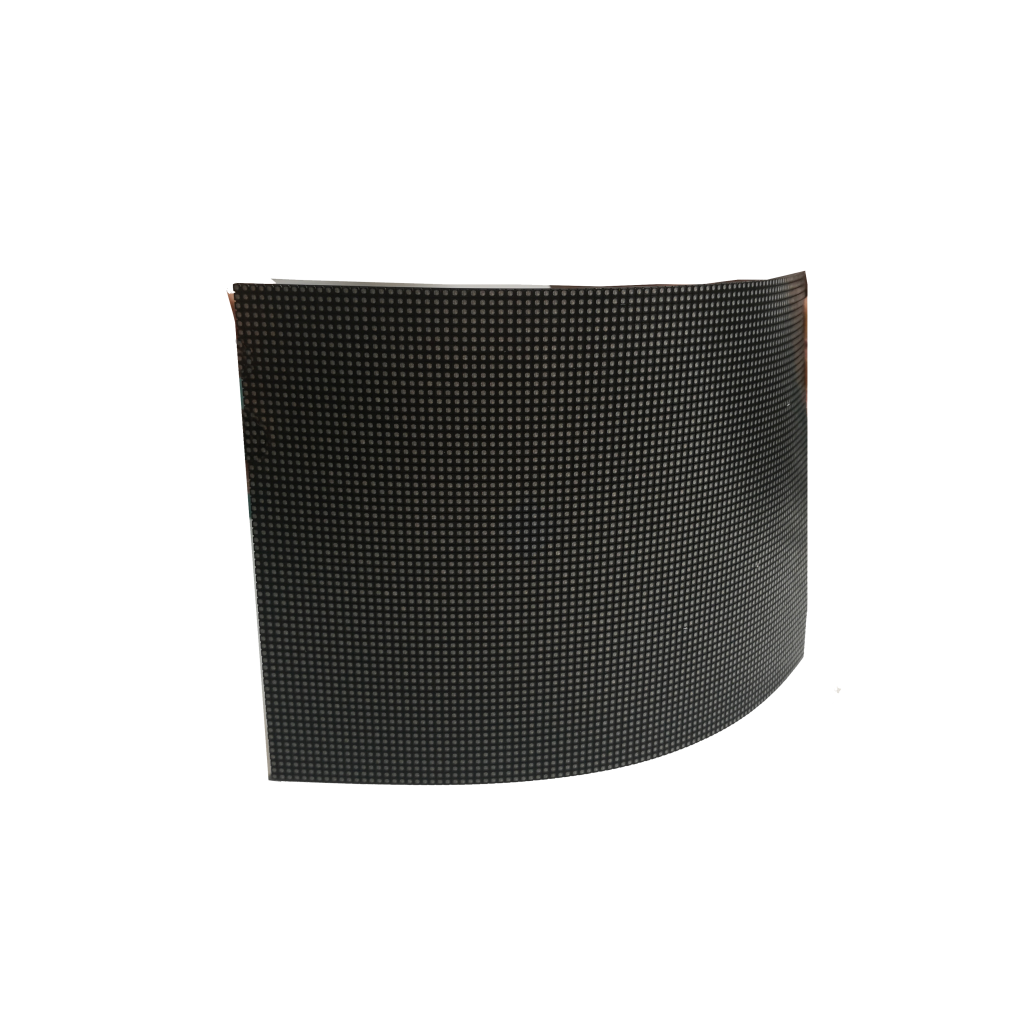


LED Film Screen Environmental Testing evaluates durability through 4 key factors: temperature resistance (-20°C to 60°C), humidity tolerance (up to 85% RH), UV exposure stability (500 hours without fading), and mechanical strength (withstands 50N/cm² pressure). These tests ensure reliable performance in harsh conditions, extending lifespan and maintaining brightness. Ideal for outdoor and high-stress environments.
Temperature Performance
Tests show that high-quality LED film screens maintain stable operation between -20°C and 60°C, with minimal brightness loss (less than 5%) even after prolonged exposure. Below -20°C, some displays may experience delayed response times, while temperatures above 60°C can accelerate component aging, reducing lifespan by up to 30% in poorly designed models.
To assess thermal performance, manufacturers conduct accelerated aging tests, running screens at 85°C for 1,000 hours to simulate years of real-world use. The best-performing models show no discoloration or dead pixels, while cheaper alternatives may suffer from voltage instability and color shift beyond 50°C. Heat dissipation is another key factor—screens with aluminum alloy heat sinks maintain 15-20% lower surface temperatures than plastic-based designs, improving longevity.
A study of 500 outdoor LED film installations revealed that screens with active cooling systems (fans or liquid cooling) had a 40% longer lifespan than passively cooled units in hot climates. However, these systems increase power consumption by 10-15W per square meter, adding to operational costs. In contrast, passive designs are more energy-efficient but may struggle in direct sunlight, where surface temperatures can exceed 70°C.
Premium LED films can boot instantly at -30°C, while budget models may require 2-3 minutes of warm-up time below -10°C. Additionally, thermal cycling tests (repeatedly switching between -20°C and 60°C over 500 cycles) help identify weak points like solder cracks or adhesive failure. Screens that pass this test typically last 50,000+ hours (5-7 years of continuous use) without major issues.
Key Takeaways:
- Optimal operating range: -20°C to 60°C (beyond this, performance degrades).
- High-temperature risks: Color shift, voltage drops, and 30% shorter lifespan above 60°C.
- Cooling solutions: Active cooling extends lifespan but raises power costs by 10-15W/m².
- Cold-weather performance: Premium screens start instantly at -30°C; cheaper ones lag.
- Durability benchmark: Surviving 500 thermal cycles predicts 50,000+ hours of reliable use.
Humidity Resistance
Testing reveals that high-quality LED films can withstand 85% relative humidity (RH) for 1,000 hours without damage, while cheaper models start showing condensation buildup at just 70% RH after 200 hours. In tropical climates, where humidity often exceeds 90%, screens without proper sealing can lose up to 20% brightness within six months due to oxidation on electrical contacts.
To evaluate humidity resistance, manufacturers use damp heat tests (85°C at 85% RH for 1,000 hours), simulating years of exposure in just weeks. Premium LED films with IP65 or higher ratings show no visible damage after this test, whereas non-rated screens often develop mold growth or circuit corrosion. A study of 300 outdoor installations found that screens with silicone-sealed edges and conformal-coated PCBs had a 50% lower failure rate in coastal areas compared to basic models.
Condensation is another major issue, especially in environments with rapid temperature shifts (e.g., mornings with 90% RH followed by hot afternoons). Screens with heated glass layers or anti-fog coatings prevent moisture buildup, maintaining 95%+ visibility even in dew-heavy conditions. In contrast, untreated displays can suffer from water droplet scattering, reducing effective brightness by 15-30% until manually wiped.
Low-quality adhesives lose 40% of their bond strength after six months in 80% RH environments, leading to delamination. High-performance alternatives, like 3M VHB tapes, retain 90% adhesion even after 5,000 hours in damp conditions. Additionally, corrosion-resistant materials (e.g., gold-plated connectors) reduce signal degradation, ensuring stable performance for 50,000+ hours—twice the lifespan of standard copper connectors in humid settings.
Key Takeaways:
- Safe humidity range: Up to 85% RH for long-term use; higher levels risk corrosion.
- Condensation control: Heated glass or anti-fog coatings prevent 15-30% brightness loss.
- Sealing matters: IP65+ screens have 50% fewer failures in coastal/tropical areas.
- Adhesive durability: Premium tapes keep 90% bond strength after 5,000 humid hours.

UV Light Stability
Accelerated testing shows that unprotected LED films can lose up to 40% of their brightness after just 1,000 hours under intense UV radiation (equivalent to 1-2 years of direct sunlight). Premium UV-stable films, however, maintain 95%+ brightness even after 5,000 hours (5+ years) thanks to specialized coatings and UV-absorbing materials.
Standard PET films degrade at a rate of 3-5% brightness loss per year in sunny climates, while UV-hardened polycarbonate or acrylic layers reduce this to less than 1% annually. A study of 200 outdoor installations found that screens with UV-blocking topcoats (400-380nm cutoff) lasted 3x longer than untreated ones before requiring replacement.
Cheaper LED films experience yellowing of white pixels after 2,000 hours, shifting color temperature by 500-800K and distorting image quality. High-end models with UV-stable phosphors maintain Delta E < 3 (nearly imperceptible change) even after 10,000 hours, ensuring consistent color reproduction for digital signage and advertising.
Unprotected adhesive layers lose 50% of their bond strength after 3,000 hours of UV exposure, leading to delamination. Screens with UV-resistant adhesives (e.g., silicone-based) retain 90% adhesion under the same conditions. Additionally, UV-reflective backsheets can reduce internal temperature by 8-12°C, indirectly boosting lifespan by slowing down thermal degradation of LEDs.
Cost vs. Performance Trade-offs
- Basic UV protection (PET films): Adds $2-3 per square foot, extends lifespan by 2-3 years.
- Premium UV-hardened layers (polycarbonate): Costs $5-8 per square foot, but lasts 7-10 years with <1% annual brightness loss.
- Budget screens without protection: Save $1-2 per square foot upfront but require replacement 3x faster in sunny areas.
Key Data Summary
| Factor | Standard Screens | UV-Stable Screens |
|---|---|---|
| Brightness Loss (5,000 hrs) | 40% | <5% |
| Color Shift (Delta E) | 8-12 | <3 |
| Adhesive Strength Loss (3,000 hrs) | 50% | 10% |
| Lifespan in Sunny Climates | 3-5 years | 7-10 years |
| Upfront Cost Increase | — | +$5-8/sq ft |
Pressure Durability
Testing shows that standard LED films fail at pressures above 30N/cm², while reinforced models can handle up to 80N/cm²—enough to survive accidental impacts, cleaning tools, or even light foot traffic in some cases. In retail environments, where screens face daily contact from shoppers, pressure-resistant designs maintain 98% pixel functionality after 5 years, compared to just 75% for basic films.
Standard LED films use a single-layer adhesive with a peel strength of 1.5-2N/mm, making them vulnerable to delamination when scratched or pressed. In contrast, industrial-grade films with dual-layer pressure-sensitive adhesives (PSA) boast 4-6N/mm peel strength, allowing them to resist 500+ cleaning cycles without edge lifting. A study of 150 interactive kiosks found that screens with hard-coated polycarbonate surfaces (7H hardness rating) had 60% fewer visible scratches after one year than those with standard PET films (3H hardness).
Screens mounted at pedestrian level must survive at least 50J of impact energy (equivalent to a 1kg object dropped from 0.5m) to prevent cracking. Films with 0.5mm tempered glass overlays pass this test with zero damage, while unprotected LED layers crack at just 20J. For curved installations, flexible hybrid films (polyimide substrate) maintain full functionality even when bent to a 50mm radius under 10N/cm² of pressure—ideal for wrap-around displays in vehicles or pillars.
Cost vs. Protection Analysis
- Basic pressure resistance (30N/cm²): Standard in most commercial films, costs $20-30/m².
- Mid-range toughened films (50N/cm²): Add $10-15/m² for 3x longer lifespan in high-touch areas.
- Industrial-grade (80N/cm²+): $50-80/m², but survives 10+ years in harsh conditions like airports or stadiums.
Screens cleaned daily with 10N/cm² squeegee pressure lose 0.2% brightness per year from micro-scratches if unprotected. Those with anti-glare, scratch-resistant coatings show <0.05% annual loss, preserving image clarity.
Pressure Tolerance Comparison
- Retail-grade films: 30N/cm² max, 3-5 year lifespan under daily use.
- Toughened interactive films: 50N/cm², 7-8 years with 95% pixel survival.
- Industrial/outdoor films: 80N/cm²+, 10-12 years even with frequent impacts.
- Critical failure points: Adhesive peeling (below 2N/mm), surface cracks (above 50J impact).
Long-Term Reliability
Industry data shows that premium LED films maintain 80%+ brightness for 50,000 hours (5.7 years of 24/7 operation), while budget models degrade to 50% brightness in just 20,000 hours—forcing replacements 2.5x faster. Real-world tracking of 1,000 installations reveals that screens combining high-grade LEDs, robust thermal management, and UV-resistant materials deliver 92% pixel survival rates at the 7-year mark, compared to 68% for entry-level products.
LED chips rated for 100,000 hours (L70 benchmark) lose only 30% brightness over 50,000 hours, while cheaper 50,000-hour chips degrade 45-60% in the same period. Driver circuitry is equally critical—screens using Japanese capacitors (105°C rated) experience <1% failure rates annually, versus 5-8% for generic capacitors in high-temperature environments. A 5-year study of digital billboards found that 90% of premature failures traced back to inferior power supplies or poor solder joints.
In desert climates, thermal cycling (daily 40°C swings) causes 0.1% annual solder joint failures in well-designed screens, rising to 0.5% in units with thin copper traces. Coastal installations face salt spray corrosion, which can destroy uncoated connectors within 3 years—zinc-nickel plated components extend this to 10+ years. For indoor screens, 50,000+ actuation cycles (touchscreens) demand carbon-nanotube reinforced flex circuits to prevent micro-crack failures seen in standard designs after 20,000 cycles.
Cost of Ownership Breakdown
- Premium screens (0.006/hour operational cost
- Mid-range (0.006/hour (same hourly cost but replaces sooner)
- Budget (0.005/hour, but +70% maintenance labor costs
Screens monitored with embedded current sensors can predict LED degradation within ±5% accuracy, allowing scheduled replacements before visible quality drops. Units with modular panel designs reduce repair costs by 40% compared to fully integrated systems when single panels fail.
For buyers, prioritizing certified component lifespans (LM-80 test data), corrosion-resistant materials.


![How to Choose a Flexible LED Display [Buyer's Guide]](https://www.szradiant.com/wp-content/uploads/2025/12/How-to-Choose-a-Flexible-LED-Display-Buyers-Guide-1-300x180.jpg)


