


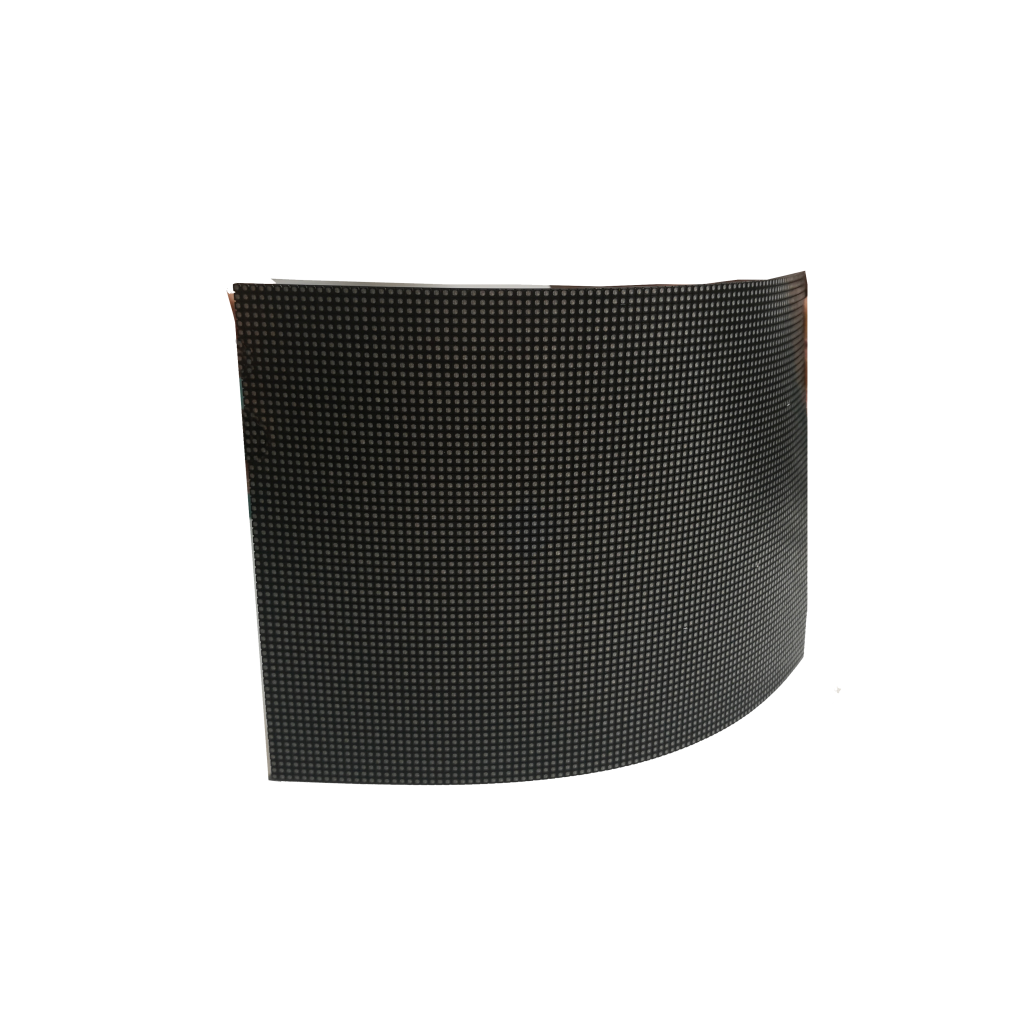


To install flexible LED panels, measure your space accurately (allow ±2mm tolerance) and clean the surface thoroughly. Use 3M VHB adhesive tape (0.5mm thick) for mounting, ensuring even pressure. For curved surfaces, bend panels gently (max 30° radius). Connect power via 5V/12V drivers, testing each panel before final placement. Seal edges with silicone to prevent moisture damage, extending lifespan up to 50,000 hours.
Measure and Prepare Surface
For a 10-meter installation, measure twice and account for corners or curves—panels typically bend up to 30° without stress.
The surface must be clean, dry, and smooth—dust or grease reduces adhesive effectiveness by up to 50%. Use isopropyl alcohol (70% or higher) for cleaning; it evaporates quickly and leaves no residue. If mounting on metal, check for rust or oxidation—these can interfere with conductivity. For uneven surfaces like textured walls, a flat mounting track (3-5mm thick) helps maintain stability.
Peel-and-stick adhesives work best on smooth surfaces, but in high-humidity areas (above 60% RH), adding silicone sealant along the edges prevents moisture damage. If the surface is porous (like wood or drywall), primer or sealing paint improves adhesion. For outdoor use, UV-resistant coatings extend panel lifespan by 20-30%.
Key Data for Surface Prep
| Factor | Ideal Range | Notes |
|---|---|---|
| Surface Cleanliness | 0% dust/grease | Use alcohol wipes |
| Adhesion Strength | ≥30 N/cm² | Test with a small strip first |
| Temperature Range | 10°C – 40°C | Avoid extreme cold/heat during install |
| Humidity Level | <60% RH | Higher levels require sealant |
| Bend Radius | ≥30mm | Sharp bends risk circuit damage |
For concrete or brick, industrial-grade adhesive tapes (3M VHB or equivalent) provide 5+ years of durability.
Flexible LEDs are low-voltage (12V or 24V), so avoid installing near high-voltage wiring—keep at least 50cm separation to prevent interference. If running multiple strips, calculate power draw—a 5-meter 12V strip at 14.4W/m needs a 72W power supply (20% buffer recommended).
Proper prep ensures longer lifespan (up to 50,000 hours), brighter output (consistent 100-120 lumens per LED), and lower maintenance costs (saving 10 per meter over time). Rushing this step risks early failure, dimming, or peeling—worth the extra 10-15 minutes upfront.
Choose the Right Adhesive
For example, 3M VHB tape holds up to 17.5 N/cm² on smooth metal, but on textured concrete, that drops to 5 N/cm². In humid climates (over 70% RH), acrylic adhesives last 3× longer than rubber-based ones. Outdoor installations need UV-resistant adhesives—without it, bond strength degrades 40% faster under direct sunlight.
For lightweight indoor panels (under 200g/m), pressure-sensitive adhesives (PSA) work fine, but for heavier COB LED strips (300g/m+), epoxy or silicone-based adhesives prevent sagging. Temperature matters too—below 10°C, most PSAs lose 50% stickiness, while above 50°C, they soften and slip. Industrial-grade polyurethane adhesives stay stable from -40°C to 150°C, making them ideal for garages or facades.
Cheap double-sided tape might claim 10 N/cm², but real-world tests show 3 N/cm² after 30 days. For permanent installs, structural adhesives like Scotch-Weld DP420 provide 25 N/cm² even after years. Removable options (like repositionable PSAs) max out at 8 N/cm²—fine for rentals, but risky in high-traffic areas.
For porous materials (brick, stucco), primers boost bond strength by 30%. On plastics (PVC, acrylic), solvent-based adhesives can melt the surface, so test a small area first. For vertical mounts, thixotropic adhesives (like SikaFlex 291) resist dripping during cure.
A 8/m² in removal and replacement. Investing in $3/m² VHB tape (lasting 10+ years) cuts long-term costs by 60%. For large installations (50m+), bulk rolls save 15-20% versus pre-cut strips.
Pro tip: Accelerated aging tests (like 85°C/85% RH for 500 hours) predict real-world performance. If an adhesive passes, it’ll likely last 5-7 years outdoors. Skip products with no technical datasheets—vague claims like “super strong” often mean untested formulas.

Connect Power Safely
Getting the power supply wrong on flexible LED panels can turn a 2,000 fire hazard real quick. Most failures happen because people underestimate current draw or use undersized wiring—a 5-meter 24V strip pulling 60W needs at least 18AWG wire, but cheap 22AWG cables overheat at just 3 amps. Voltage drop is another silent killer: at 5 meters with 12V strips, you lose 0.5-1.2V depending on wire quality, which can dim LEDs by 15-20% at the far end.
The first rule is matching power supply capacity to total wattage plus 20% buffer. A setup with three 5-meter 12V strips (14.4W/m each) needs 216W total (14.4W × 15m = 216W), so a 250W power supply avoids overloading. Mean Well drivers (like the LPV-60-12) are reliable, with 90% efficiency versus no-name units that waste 10-15% as heat. For outdoor use, IP67-rated waterproof supplies prevent shorts in rain—a basic indoor unit fails within 3-6 months in humid conditions.
Wire gauges matter more than people think:
- 18AWG: Safe up to 3A (36W at 12V), max 5m runs
- 16AWG: Handles 5A (60W at 12V), good for 8m
- 14AWG: For 10A+ (120W at 12V), needed beyond 10m
Cheap 22AWG ribbon cables (common in kits) overheat at 2A—always upgrade if extending beyond 2 meters. For daisy-chaining multiple strips, keep each segment under 5 meters to avoid voltage drop. If you must go longer, power injection (running separate wires to midpoint connections) keeps brightness even. Use solder-sealed connectors or crimp terminals—twisting wires and taping them causes 40% of DIY failures.
A 5A fast-blow fuse on each 60W circuit prevents meltdowns if a strip gets pinched. For larger installations (300W+), a modular DC breaker panel lets you isolate sections. Never plug LED strips directly into wall outlets—12V/24V drivers must convert AC first. Scorched PCB traces are a sure sign someone tried skipping this step.
Cheap PWM dimmers flicker below 10% brightness, while high-frequency models (1kHz+) stay smooth. For RGBIC setups, controllers must match the LED chipset (WS2815 strips need 5V data lines, SK6812 works at 12V). Mismatches cause colors to glitch or 20-30% brightness loss.
Test Before Final Fixing
30% of installation failures happen because people assume “new equals functional,” but manufacturing defects, shipping damage, or even wrong voltage inputs can brick an entire strip. Testing takes 10-15 minutes but saves 3-5 hours of rework later.
Start with a full-length power test—connect all sections and run them for at least 30 minutes at maximum brightness. Look for hotspots (above 50°C), which signal bad solder joints or overloaded circuits. Use a non-contact thermometer to check every meter; consistent temperature should stay within 35-45°C for standard density strips. If one segment hits 60°C+, you’ve got a current bottleneck—usually from undersized wires or a defective LED module.
Cheap RGB strips often show 10-15% variance in hue between batches. If you’re mixing strips from different boxes, test them side-by-side at pure white (RGB 255,255,255) to spot mismatches. For tunable white (CCT) strips, verify the Kelvin range matches specs—a 2700K-6500K strip that only shifts between 3000K-5000K is defective.
Critical Test Metrics
| Test | Tool | Pass Criteria |
|---|---|---|
| Voltage Consistency | Multimeter | ±0.5V of rated voltage |
| Temperature | IR Thermometer | <50°C at full brightness |
| Color Uniformity | White Wall Test | No visible banding |
| Dimming Smoothness | PWM Controller | No flicker below 10% |
| Waterproof Seal (IP65+) | Spray Bottle | No moisture ingress after 5 mins |
Apply a 1-meter sample of your chosen adhesive to the actual surface, then hang a 500g weight for 24 hours. If it slips more than 2mm, you need a stronger bond method. For curved installations, verify the bend radius doesn’t stress circuits—flex the strip to 80% of its rated limit and check for light dropouts.


![How to Choose a Flexible LED Display [Buyer's Guide]](https://www.szradiant.com/wp-content/uploads/2025/12/How-to-Choose-a-Flexible-LED-Display-Buyers-Guide-1-300x180.jpg)


