


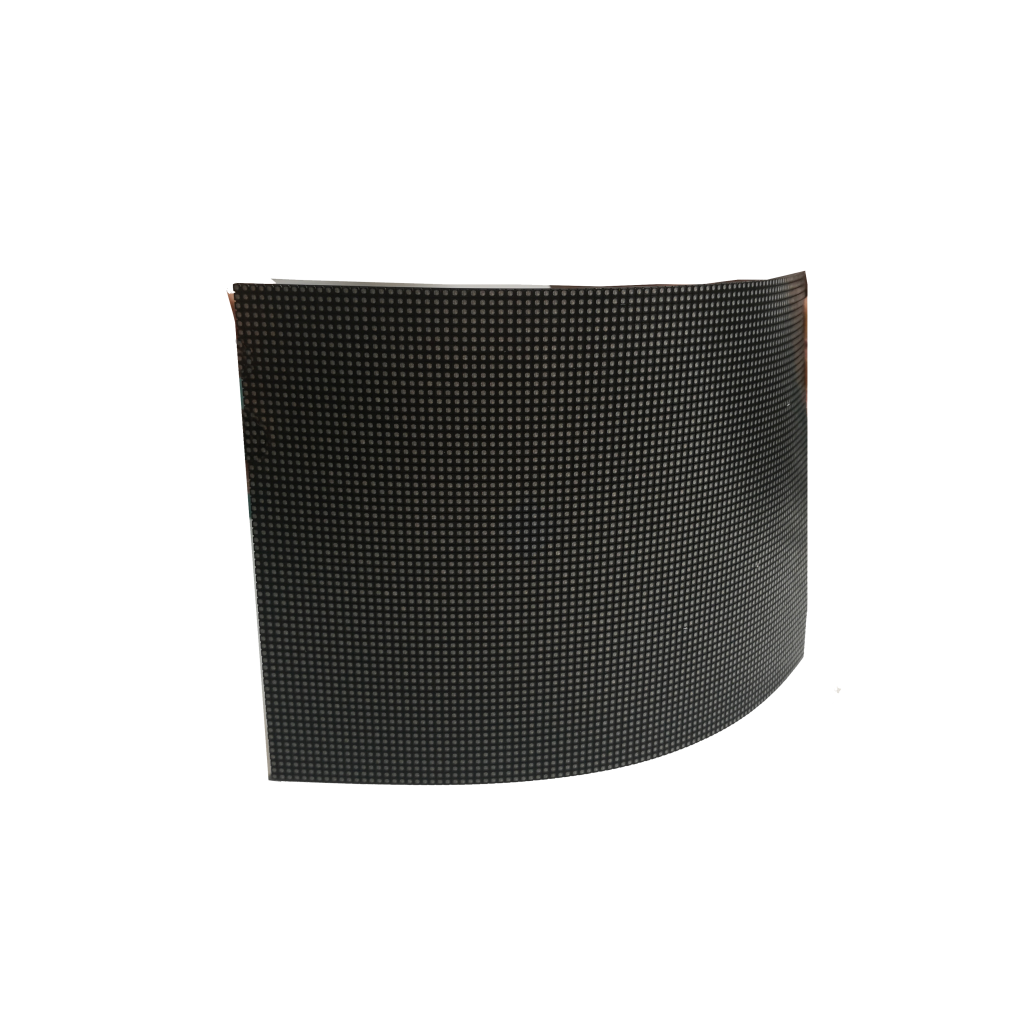


LED Display Boards offer 6 popular types for advertising: Outdoor Full-Color LED (bright enough for daylight, 5,000–8,000 nits), Indoor Fine-Pitch LED (sharp for close viewing, P1.5–P3mm), Transparent LED (glass-like, 70–90% transparency), Rentable LED (modular, quick setup in <1hr), Digital Billboards (high impact, average CPM 3), and Interactive LED (touch-enabled, boosting engagement by ~30%). Each suits different needs, from high-traffic areas to niche campaigns.
Outdoor LED Signs
Outdoor LED signs dominate high-traffic areas with 5,000–8,000 nits brightness, ensuring readability even in direct sunlight. Typical pixel pitches (P10–P20mm) balance clarity and cost for viewing distances of 10–50 meters.
Key Specifications & Performance Data
| Feature | Data Range | Why It Matters |
|---|---|---|
| Brightness | 5,000–8,000 nits | Visible in full daylight |
| Pixel Pitch | P10–P20mm | Optimized for 10–50m viewing |
| Lifespan | 50,000–100,000 hours | 5–10 years of continuous use |
| Power Consumption | 300–800W/m² | Higher brightness = higher energy cost |
| ROI | 12–24 months | Fast payback via ad revenue |
Cost & Budgeting
- Initial investment: 3,000/m² (varies by resolution, brand, IP rating).
- Maintenance: 1–3% of initial cost/year (cleaning, repairs, software updates).
- Energy use: 0.40/hour for a 5m² display (local electricity rates apply).
Common Use Cases
- Retail stores: 15–25% sales lift for promotions displayed on LED vs. printed signs.
- Gas stations: 8–12% more fuel sales when pricing is updated in real time.
- Sports stadiums: 1,000–5,000 nits adjustable for day/night events.
Pro Tips for Buyers:Negotiate 3–5-year warranties to cover LED decay.Test heat dissipation—poor cooling reduces lifespan by 30–50%.
Indoor Fine-Pitch Screens
These displays, with pixel pitches ranging from P0.9mm to P2.5mm, are ideal for corporate lobbies, retail stores, control rooms, and broadcast studios, where clarity at close distances (1–5 meters) is critical. Unlike standard LED signs, fine-pitch screens deliver 4K and even 8K resolution, making them perfect for applications where image precision matters.
The brightness levels (800–1,500 nits) are optimized for indoor lighting, ensuring visibility without causing eye strain. With refresh rates of 3,840Hz to 7,680Hz, these screens eliminate flicker, making them suitable for live broadcasts and high-speed content. Their long lifespan (60,000–100,000 hours) translates to 6–10 years of continuous use, reducing long-term replacement costs. Additionally, fine-pitch LEDs consume 200–500W per square meter, making them more energy-efficient than outdoor LED displays while still delivering vibrant, high-contrast images.
Performance and Cost Considerations
Fine-pitch LED screens are a premium investment, with prices ranging from 8,000 per square meter, depending on pixel density and brand. Installation costs add another 2,000, depending on mounting complexity. Businesses see a strong ROI (18–36 months) when using these displays for digital advertising, corporate branding, or interactive experiences.
In retail environments, fine-pitch LED walls have been shown to increase customer dwell time by 12–18%, directly impacting sales. In corporate settings, they boost engagement by 40–60% compared to traditional LCD video walls. For control rooms and command centers, their 1ms response time ensures real-time data accuracy, critical for industries like finance, security, and transportation.
Maintenance costs are relatively low, averaging 2–5% of the initial purchase price annually, mostly for cleaning and occasional recalibration.
Technical Specifications and Best Practices
- Viewing angles of 160–178 degrees ensure visibility from almost any position in a room.
- Color accuracy (ΔE <3) rivals professional-grade monitors, making them suitable for color-critical applications.
- Heat management is crucial—most models operate at 25–40°C with built-in cooling systems to prevent overheating.
When selecting a fine-pitch LED screen, avoid ultra-fine pitch (P0.9mm) unless absolutely necessary, as they are significantly more expensive and harder to maintain. Instead, P1.2–P1.8mm provides the best balance of cost, clarity, and reliability for most indoor applications.
Warranty coverage is another key factor—opt for at least a 5-year warranty to protect against LED decay, which can reduce brightness by 10–20% after 30,000 hours of use.
Market Trends and Future Outlook:The demand for fine-pitch LED screens is growing at 15–20% annually, driven by corporate offices, retail spaces, and entertainment venues. Hybrid models with touchscreen capabilities are gaining popularity, though they add 1,000 per square meter to the total cost.

Transparent LED Panels
These innovative displays offer 70-90% transparency while maintaining 1,500-5,000 nits brightness, making them ideal for storefront windows. With pixel pitches ranging from P3.9mm to P10mm, they provide clear visibility at distances of 3-15 meters while allowing natural light to pass through.
The global market for transparent LED panels is growing at 18-22% annually. These panels consume 30-50% less power than traditional LED displays while delivering 50,000-80,000 hours of operational life. Their slim 8-20mm thickness and lightweight design (15-30kg/m²) make them easy to install in existing glass structures without major renovations.
Performance and Application Insights
Transparent LED panels create 40-60% higher foot traffic in retail environments compared to static window displays, according to recent retail analytics. The 500-1,200Hz refresh rate ensures smooth video playback without flickering, even in brightly lit environments.
However, retailers report 20-30% faster ROI compared to traditional digital signage due to increased customer interaction. Maintenance costs are relatively low at 1-2% of initial investment annually.
Technical Specifications Breakdown
- Transparency levels: 70% (standard) to 90% (premium models)
- Viewing angles: 140-160 degrees horizontal and vertical
- Color gamut: 90-110% NTSC for vibrant, accurate colors
- Operating temperature: -20°C to 50°C for all-weather performance
- Response time: <5ms for real-time content updates
Market Trends and Implementation Strategies
Adoption curve shows 45% year-over-year growth in luxury retail sectors, with fashion brands leading at 38% market share. Architectural applications account for 25% of installations, particularly in airports and corporate headquarters where the balance between information display and natural light is crucial.
For businesses considering transparent LED panels, the optimal implementation strategy involves:
- Selecting P5-P8mm pitch for most commercial applications
- Allocating 15-20% of budget for content creation and management
- Planning for 3-5 year refresh cycles to maintain technological relevance
With 8-12% lower energy consumption than conventional displays and minimal structural impact.
Rentable LED Walls:
Rentable LED walls are the go-to solution for temporary events, trade shows, and corporate presentations, offering quick setup (1-4 hours) and professional-grade visuals without long-term commitments. These modular systems typically feature P2.5-P6mm pixel pitches, delivering 1080p to 4K resolution for audiences viewing from 3-20 meters away.
Key Features
| Spec | Range | Business Impact |
|---|---|---|
| Rental Price | 300/m²/day | Cheaper than buying for <30-day use |
| Brightness | 1,200-2,500 nits | Visible in convention lighting |
| Setup Speed | 1-4 hours | Faster than traditional staging |
| Panel Weight | 15-30kg/m² | Reduces shipping costs by 20-40% |
Cost Breakdown
- Average event rental: 25,000 for a 20-50m² wall (3-5 day event)
- Transport/Installation: Adds 15-25% to base rental fee
- Damage Waiver: 3-8% of rental value (covers minor repairs)
Smart Rental Tips
- Book midweek dates for 15-20% discounts
- Opt for P3.9-P4.8mm unless front-row viewers demand finer pitch
- Verify on-site tech support inclusion (saves 1,500/day in extra fees)
Their quick ROI (often 1-2 events pays for rental) makes them ideal for marketers needing high-impact visuals without capital expenditure.
Digital Billboard Ads
These large-format displays typically range from 3m x 6m to 5m x 15m in size, with 5,000-10,000 nits brightness to ensure readability in direct sunlight. The average digital billboard generates 50,000-300,000 daily impressions depending on location, with premium highway spots reaching 1.5 million+ weekly views.
Most modern units featuring P10-P20mm pixel pitches optimized for viewing distances of 50-150 meters. Advertisers benefit from 8-15 second rotation cycles, allowing 6-8 different ads to share a single display. This shared model keeps costs manageable at 5,000 per four-week campaign in medium markets, while premium urban locations can command 50,000 monthly.
Traffic Impact Studies show digital billboards deliver 2.5-4 times higher recall rates than static billboards. When positioned within 1 mile of retail locations, they’ve been shown to increase store visits by 18-27%. The average CPM (cost per thousand impressions) ranges from 4.00, making them one of the most cost-effective mass-market advertising channels.
Technical Specifications:
- Operating Hours: 24/7 operation with 80,000-100,000 hour lifespan (8-12 years)
- Power Consumption: 6-12kW per display (costing 600 monthly in electricity)
- Content Updates: Remote management enables real-time ad changes in under 5 minutes
- Environmental Resistance: Operates in -30°C to 50°C with IP65-rated protection
Most digital billboard operators use 60/40 revenue splits, where location owners receive 40% of ad sales. Top-performing units in major cities generate 750,000 annual revenue, with 65-75% profit margins after operating costs. Advertisers typically see 3-6 month payback periods on campaigns when measuring direct response metrics.
Content Optimization
- Day vs Night: Brightness automatically adjusts from 5,000 nits (day) to 2,500 nits (night)
- Motion Content: Ads with subtle animation achieve 22-38% higher engagement
- Dwell Time: Optimal message length is 6-8 seconds for highway viewers
- Color Contrast: High-contrast designs improve 40-60% readability at distance
The digital billboard industry is growing at 9-12% annually, with programmatic ad buying now accounting for 25-35% of inventory sales. New AI-powered cameras are being installed on 15-20% of units to provide anonymous audience metrics (vehicle counts, dwell times). Emerging 3D LED billboards in Times Square-style locations command 300-500% premium pricing but deliver 10-15x social media amplification.


![How to Choose a Flexible LED Display [Buyer's Guide]](https://www.szradiant.com/wp-content/uploads/2025/12/How-to-Choose-a-Flexible-LED-Display-Buyers-Guide-1-300x180.jpg)


