


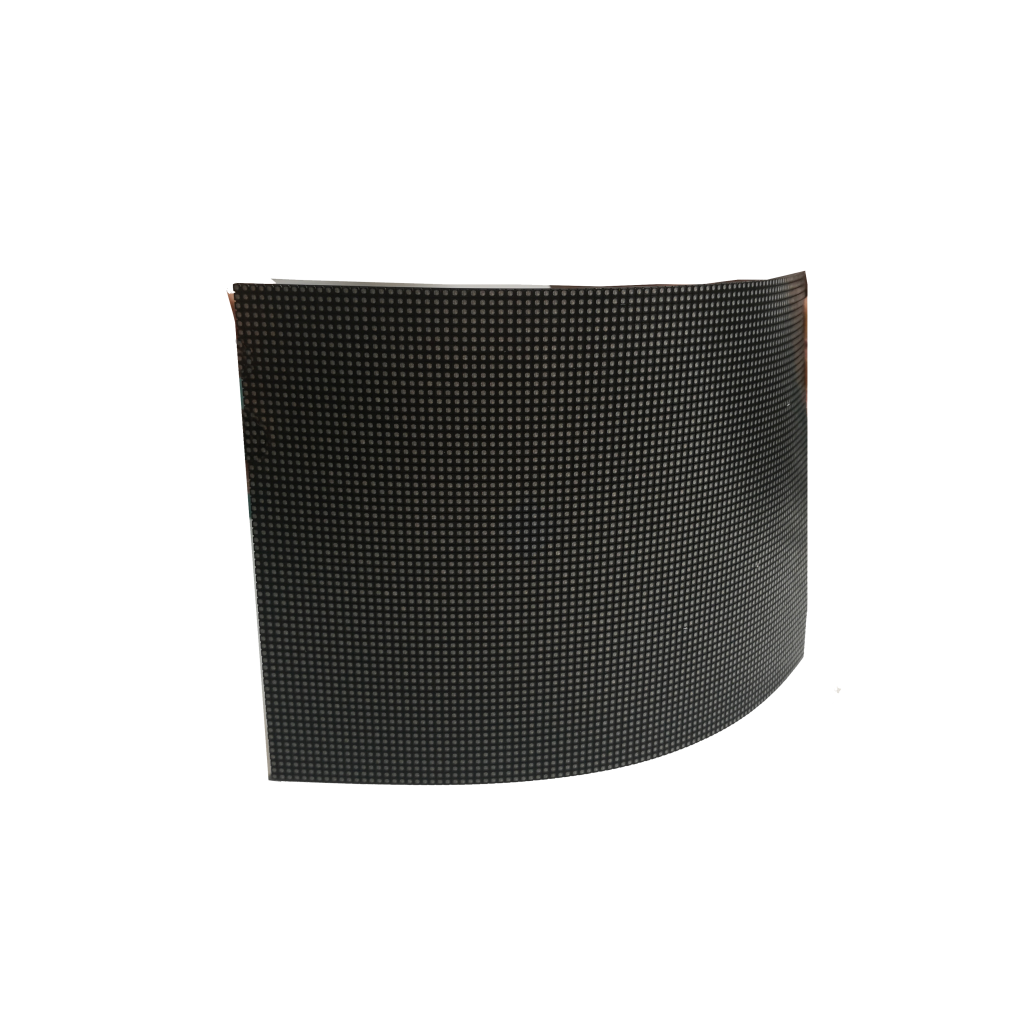


When choosing between indoor and outdoor LED screens, consider brightness (500-1,500 nits for indoor vs. 3,000-10,000 nits for outdoor), pixel pitch (indoor: 1.2-10mm vs. outdoor: 5-20mm for longer viewing distances), weatherproofing (IP65+ for outdoor), power consumption (higher for outdoor due to brightness), and content type (indoor for detail, outdoor for visibility). Outdoor screens prioritize durability and visibility, while indoor screens focus on resolution and energy efficiency.
Brightness Matters Most
Indoor screens typically operate between 500 and 1,500 nits, while outdoor displays require 3,000 to 10,000 nits to combat sunlight glare. A screen with less than 3,000 nits outdoors will appear washed out, reducing visibility by 40-60% in direct sunlight. Higher brightness also impacts power consumption—an outdoor 10,000-nit screen may consume 30-50% more energy than a 1,500-nit indoor model. However, sacrificing brightness for efficiency outdoors leads to poor readability, especially in high-traffic areas like highways or stadiums where visibility drops below 30% in peak daylight.
For indoor use, excessive brightness (above 1,500 nits) causes eye strain and wastes energy—most conference rooms and retail stores only need 800-1,200 nits. Lower brightness also extends panel lifespan; a 1,000-nit indoor screen lasts 60,000-80,000 hours, while a 5,000-nit outdoor unit degrades faster, averaging 40,000-50,000 hours due to higher thermal stress.
The cost difference is significant. A 5mm pixel pitch, 5,000-nit outdoor screen costs 1,200 per square meter, while a similar-resolution indoor panel runs 700 per square meter. Outdoor models need reinforced aluminum frames and IP65+ waterproofing, adding 15-25% to the price.
Key Brightness Recommendations:
- Indoor (shopping malls, offices): 800-1,500 nits
- Outdoor (billboards, stadiums): 3,000-10,000 nits
- High-ambient light (bus stops, airports): 5,000+ nits
Brightness directly affects ROI. A dim outdoor display loses 20-30% of its advertising value due to poor visibility, while an overlit indoor screen increases power costs by 10-15% without improving engagement. Matching brightness to environment ensures optimal performance and cost efficiency.
Pixel Pitch & Viewing Distance
Indoor screens use 1.2-4mm pitches for sharp close-up views, while outdoor screens range from 5-20mm for long-distance readability. A 2mm indoor screen looks crisp within 3 meters, but a 10mm outdoor screen requires 10+ meters to avoid visible pixelation.
For a 50 sqm outdoor billboard, a 10mm pitch balances cost (900/sqm) and clarity at 15-30m viewing distance. A tighter 6mm pitch improves quality but raises costs by 25-40% with minimal ROI beyond 10m. Indoors, a 3mm pitch suits most retail TVs (2-5m viewing), while a 1.5mm pitch is for luxury stores where viewers stand <2m away.
Lifespan Impact:
- Tighter pitches (<3mm indoors) reduce heat dissipation, shortening lifespan by 10-15% vs. 4mm panels.
- Outdoor pitches >10mm endure harsher weather due to simpler circuitry, lasting 5-10% longer than 6mm models.
Weatherproofing & Durability
Outdoor screens demand IP65+ ratings (dustproof + water-resistant). Non-IP65 units fail within 6-12 months in rain or dust. Aluminum housings add 20-30% to costs but prevent corrosion, unlike cheaper steel frames that rust in 2-3 years in coastal areas.
Power & Energy Efficiency
A 5,000-nit outdoor screen consumes 800W-1.2kW per sqm, doubling indoor screens’ 300-500W/sqm. Solar-powered options save 15-25% in energy costs but require 400/sqm extra upfront.
Content & Usage Needs
Outdoor screens prioritize bold, high-contrast visuals (30fps minimum), while indoor screens use 60fps+ for smooth video. Text-heavy content needs 20% larger fonts outdoors to maintain readability at 1.5x the distance.

Pixel Pitch & Viewing Distance
Indoor screens typically use 1.2mm to 4mm pitches for crisp viewing within 1-5 meters, while outdoor displays require 5-20mm pitches to maintain clarity at 10-50+ meters.
The key formula is simple: optimal viewing distance (meters) = pixel pitch (mm) × 1.5. A 4mm screen looks best beyond 6 meters, while a 10mm screen needs 15+ meters to avoid visible pixels. Get this wrong, and your display either looks pixelated or wastes money on unnecessary resolution.
A 3mm indoor screen runs 800 per sqm, while a 10mm outdoor version costs 900 per sqm. Choosing too fine a pitch—like 1.5mm for a stadium screen—can increase costs by 40-60% with no benefit beyond 5 meters.
Performance varies by pitch size:
- Tighter pitches (<3mm) generate more heat, reducing lifespan by 10-15%
- Outdoor 8-12mm pitches last longer in harsh weather due to simpler circuitry
- High-density screens (<3mm) require more frequent cleaning as dust shows faster
For most applications, these ranges work best:
- Retail stores/banks: 2-3mm
- Corporate spaces: 3-4mm
- Transportation hubs: 4-6mm
- Stadiums/outdoor ads: 6-10mm
- Highway billboards: 10-20mm
A 2mm screen provides 4x the pixel density of a 4mm screen, but costs 2-3x as much. For viewing beyond 5 meters, pitches above 4mm offer better value. The bottom line? Match pitch to actual viewing conditions—there’s no need to pay for resolution your audience can’t see.
Weatherproofing & Durability
Outdoor displays face constant environmental stress, from torrential rain (up to 100mm/hour) to extreme temperatures (-30°C to +50°C) and 90%+ humidity levels. Screens without proper protection see failure rates increase by 300-500% in coastal areas due to salt corrosion alone.
Displays rated below IP65 typically show visible water damage within 6-12 months of installation, with complete failure occurring 2-3 times faster than properly sealed units. The cost difference between an IP54 and IP65-rated 5mm pitch display is only 100 per square meter, but the IP65 version lasts 3-5x longer in rainy climates.
Aluminum housings add 15-25% to the upfront cost but prevent corrosion that destroys cheaper steel frames in 2-3 years near oceans. High-quality silicone gaskets maintain their seal for 5-7 years before needing replacement, while cheap rubber alternatives harden and crack within 12-18 months. Thermal management is equally critical – displays with proper ventilation systems maintain 20-30°C lower internal temperatures than sealed units, extending component life by 40-60%.
| Environmental Factor | Impact on Unprotected Screens | Solution | Cost Impact |
|---|---|---|---|
| Heavy Rain (100mm/hr) | Water ingress causes short circuits in <6 months | IP65+ sealing, sloped design | +120/sqm |
| Salt Air (coastal) | Corrosion destroys circuits in 1-2 years | Aluminum housing, conformal coating | +200/sqm |
| Extreme Heat (50°C+) | LED degradation 3x faster, color shifts | Active cooling, heat sinks | +150/sqm |
| Freezing Temperatures | Condensation cracks PCBs in winter | Heating elements, thermal insulation | +180/sqm |
| High Humidity (>90%) | Mold growth, connector corrosion | Anti-microbial coatings, gold-plated contacts | +80/sqm |
A properly weatherproofed 10sqm outdoor display averages 800/year in maintenance, while a poorly protected version can cost 3,000 annually in repairs and replacements. The most common failure points – connectors (35% of failures), power supplies (25%), and LEDs (20%) – are all directly affected by environmental protection levels. Investing an extra 5,000-$7,000 over a 5-year period.
Real-world performance data shows displays with IP66+ ratings and aluminum housings maintain 90%+ brightness after 5 years in temperate climates, while IP54 steel-frame units drop to 60-70% brightness in the same period. In tropical environments, the gap widens further – IP66 units last 8-10 years versus just 3-4 years for basic IP54 models. The message is clear: skimping on weatherproofing costs 2-3x more in the long run through reduced lifespan and higher maintenance.
Power & Energy Efficiency
A typical 5,000-nit outdoor LED screen consumes 800-1,200W per square meter when running at full brightness – that’s 3-4x more power than a comparable indoor display (300-500W/sqm).
Reducing brightness from 100% to 70% can cut energy use by 25-35% with minimal visual impact. Modern LED drivers with PWM (Pulse Width Modulation) dimming achieve 85-90% efficiency compared to older analog dimmers at 60-70% efficiency. The latest constant current drivers maintain stable power delivery even with ±10% voltage fluctuations, preventing the 5-8% energy waste seen in cheaper voltage-driven systems.
High-efficiency LEDs (120-150 lumens/W) require 20-30% less power than standard LEDs (80-100 lumens/W) to achieve the same brightness. Quality power supplies operating at 90-95% efficiency waste 50-60% less energy as heat compared to budget units at 75-80% efficiency. Over a 10,000-hour operating period, this efficiency difference can save 500-800kWh per square meter – enough to power an average home for 1-2 months.
Screens running 10°C cooler experience 15-20% longer lifespan and 5-8% better efficiency due to reduced resistance in electronic components. Active cooling systems add $50-100/sqm but typically pay for themselves within 2-3 years through lower AC costs and reduced maintenance. In hot climates, proper ventilation can decrease peak power draw by 10-15% during summer months when electricity rates are highest.
Solar hybrid systems are becoming viable alternatives, with 1kW solar arrays offsetting 30-40% of a 10sqm display’s power needs. While adding 3,000 upfront, these systems provide 7-10 year payback periods in sunny regions and protect against utility rate hikes. Battery backups sized at 5-10kWh ensure 8-12 hours of operation during outages while smoothing peak demand charges that can account for 30-50% of commercial electricity bills.
Energy-saving features like motion-activated dimming (reducing brightness by 50% during low-traffic hours) and ambient light sensors (automatically adjusting 10-15% throughout the day) can slash annual consumption by 20-30%. Scheduling displays to enter low-power mode (50-100W/sqm) overnight instead of full shutdown prevents the 5-8% energy surge required for cold starts each morning.
The total cost of ownership calculation reveals why efficiency matters: Over a 5-year period, a 10sqm high-efficiency outdoor display (700W/sqm) costs 7,500 in electricity, while a standard unit (1,000W/sqm) runs 10,800 – enough difference to cover the premium for better components. When you factor in the extended lifespan and lower maintenance of efficient systems, the case becomes even stronger. Choosing the right balance of brightness, efficiency and features can mean the difference between an LED screen that drains your budget and one that pays for itself.
Content & Usage Needs
Consider the difference between a pedestrian walking past a storefront at 1 meter per second versus a driver on the highway moving at 25 meters per second. This 25x difference in relative speed means highway signage needs 300% larger text sizes and 50% simpler designs to remain effective during the brief 2-3 second viewing window drivers typically provide.
While sunlight is the obvious challenge, rainfall creates unique issues – water droplets on screen surfaces can reduce visibility by 40-60%. Modern systems combat this with automatic adjustments, boosting brightness by 25% and contrast by 30% when rain sensors activate, while shifting color balance toward warmer tones that penetrate water more effectively.
While digital screens allow constant updates, our brains have limits – retail promotions work best with 8-12 second dwell times, while transportation information needs quicker 3-5 second cycles. Surprisingly, updating too frequently (under 5 seconds) can actually reduce message retention by 35%, defeating the purpose of digital flexibility.
While manufacturers tout 160°+ viewing angles, most applications don’t need this extreme range. Indoor retail displays perform perfectly within 120° since viewers rarely approach from extreme angles, while outdoor billboards benefit from concentrating their brightness within a 90° sweet spot where most viewers are located. Only high-traffic areas like airports truly require the full 160°+ capability.
The same RGB values appear completely different indoors versus outdoors – blues lose 40% of their vibrancy in sunlight, while reds appear 25-30% less saturated. Professional installations use environment-specific color profiles to compensate, ensuring brand colors remain consistent regardless of viewing conditions.
Text-heavy applications like airport flight information demand 20% higher resolution than video walls, along with instant response times under 50ms. Video walls require wide color gamut coverage (90%+ DCI-P3) and precise frame synchronization, while interactive displays need specialized treatments like matte surfaces and ultra-low 8ms touch latency.
Times Square’s digital billboards operate at 4000-8000 nits brightness with 10-20mm pixel pitch, optimized for half-second glances from moving vehicles. Airport flight displays use 1000-1500 nits with 3-5mm pitch for crisp text readability at various distances. Retail storefronts balance 1500-2500 nits brightness with 2-3mm pitch to showcase products accurately under changing lighting conditions.


![How to Choose a Flexible LED Display [Buyer's Guide]](https://www.szradiant.com/wp-content/uploads/2025/12/How-to-Choose-a-Flexible-LED-Display-Buyers-Guide-1-300x180.jpg)


