


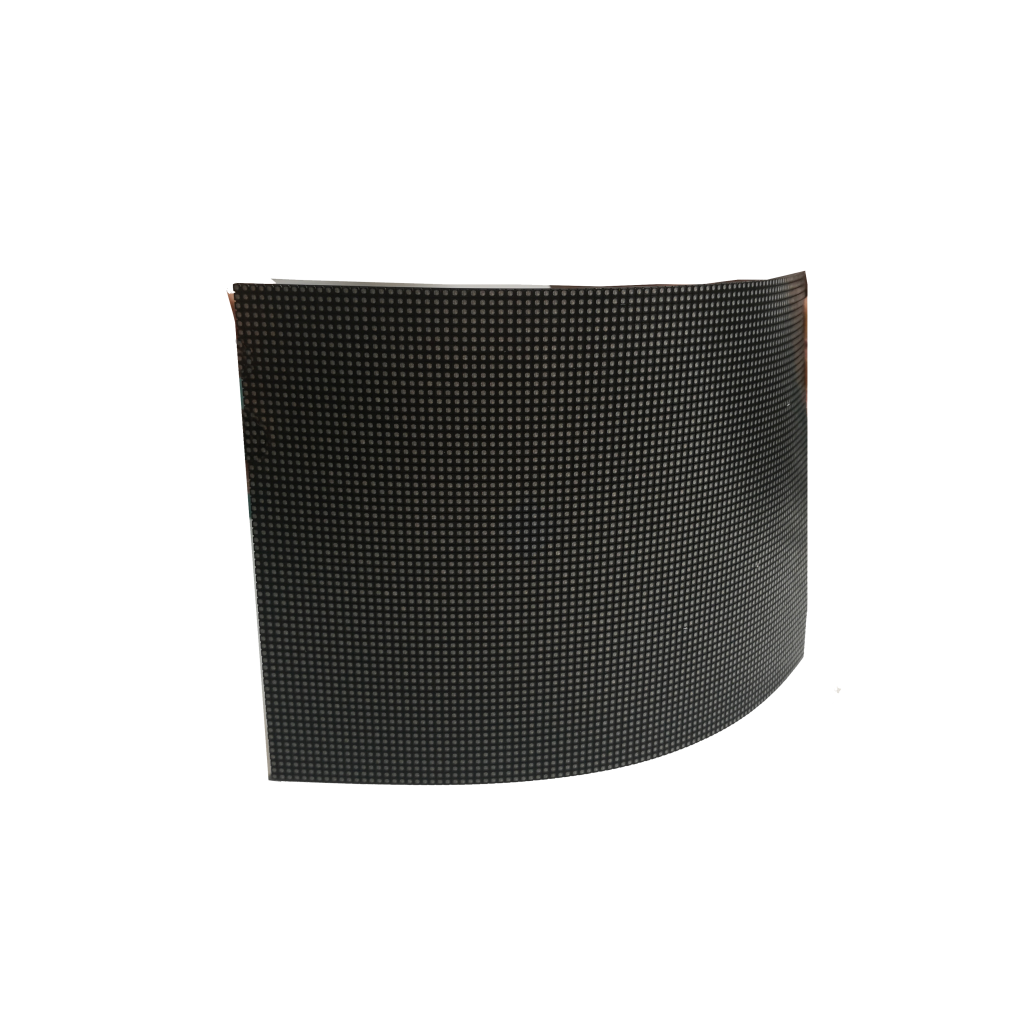


LED transparent film screens cost $500+/sqm due to high-quality materials like optical-grade PET films ($$$), advanced manufacturing for 80-90% transparency, and complex R&D for seamless integration. Their ultra-thin (0.3-1mm), flexible design demands precision engineering, while niche applications (e.g., retail displays) limit economies of scale. 5-year lifespan and 50,000-hour LED durability justify the premium vs. conventional displays.
Materials Drive High Costs
A standard optical-grade PET film—the backbone of these screens—costs 120 per square meter alone, nearly 20–25% of the total price. To achieve 85–90% transparency, manufacturers use micro-LED chips (under 0.5mm in size) embedded in ultra-thin conductive layers, adding another 200/sqm in component costs. The films must also resist yellowing under UV exposure, requiring specialized coatings that increase material expenses by 10–15%.
The adhesive layers used to bond components without distorting light add 50/sqm, while the protective laminate (needed for scratch resistance in high-traffic areas) contributes another 60. Unlike traditional LED displays, which use cheaper aluminum or plastic frames, transparent screens require nearly invisible structural supports, often made of flexible, high-strength polymers—costing 3–4x more than conventional materials.
For example, import tariffs on precision optical films (common in the U.S. and EU) add 5–8% to the final cost. Additionally, low production volumes (most factories produce under 10,000 sqm/year) prevent bulk discounts.
Key Cost Drivers in Materials
| Component | Cost Range (per sqm) | % of Total Cost |
|---|---|---|
| Optical PET Film | 120 | 20–25% |
| Micro-LED Chips | 200 | 30–40% |
| Conductive Layers | 80 | 10–15% |
| UV/Scratch Coatings | 60 | 8–12% |
| Adhesives/Structural Supports | 110 | 15–20% |
Complex Manufacturing Process
The process starts with laser etching conductive pathways onto optical-grade PET film, a step requiring ±0.01mm accuracy to avoid dead pixels. This alone takes 12–15 hours per 100 sqm due to slow, meticulous alignment. Then comes micro-LED placement, where robots embed 8,000–12,000 LEDs per sqm (each under 0.5mm wide) at a 95–98% success rate. Failures here often mean manually repairing or discarding sections, adding 10–15% to labor costs.
Next, the film undergoes laminating under controlled humidity (40–60% RH) to prevent air bubbles, followed by UV-cured adhesive bonding at 80–100°C to fuse layers without warping. The screens then enter 72-hour stress testing, cycling between -20°C and 60°C to weed out delamination risks. 1 in 5 panels fails here, requiring rework or recycling.
Yield rates hover around 65–75% for top-tier suppliers, far below the 90%+ seen in traditional LED displays. Why? Dust contamination during assembly ruins 3–5% of units, while thermal expansion mismatches between layers cause another 2–4% loss. Factories combat this with ISO Class 5 cleanrooms (costing 2,000/sqft to maintain) and real-time thermal imaging during production.
Time and Cost Breakdown (Per Sqm)
- Laser Etching & Alignment: 1.2–1.8 hours, 40
- Micro-LED Mounting: 2.5–3.5 hours, 130
- Lamination/Curing: 0.5 hours, 30
- Quality Testing: 0.3 hours, 25
- Rework/Scrap Losses: 70
The final calibration adjusts each LED’s brightness within ±5% variance using automated optical inspection (AOI), a step adding 50/sqm but critical for uniformity. Smaller factories often skip this, leading to visible ”hot spots” or dim zones—a key reason premium brands charge 20–30% more.
Automation helps but isn’t a cure-all. While robots handle 70% of assembly, human technicians still oversee critical bonding and inspection stages, where hourly wages hit 60 in tech hubs like Shenzhen or Seoul.
Bottom line: Until processes like quantum dot integration or self-healing conductive inks mature, expect $500+/sqm to stay the norm.

Limited Market Demand
The harsh reality is that LED transparent film screens are a niche product—only about 15,000–20,000 sqm get sold globally each year, barely 0.3% of the total LED display market. For comparison, conventional LED panels move 5–7 million sqm annually, allowing mass production that slashes costs by 60–70%. The main buyers? Just three sectors dominate purchases: luxury retail (55%), corporate lobbies (30%), and high-end events (15%). Even within these segments, adoption is spotty—only 1 in 8 Apple Stores uses them, while 90% of shopping malls still opt for cheaper LCD video walls.
Unlike plug-and-play LCDs, these screens require custom structural framing (adding 150/sqm) and specialized mounting systems to maintain transparency. Maintenance is another hurdle: fixing a single dead micro-LED costs 400 due to disassembly labor, versus 50 for standard LED modules. Most AV integrators lack training here—under 5% of U.S. installation firms are certified for transparent displays.
Why Demand Stays Low
- Price Sensitivity: At $500+/sqm, the ROI only works for venues where aesthetics trump budget—think Gucci stores, not Walmart.
- Durability Concerns: Despite 50,000-hour lifespans, clients fear scratches (repairs cost 40–60% of original price) and hesitate to replace $100k+ installations every 5–7 years.
- Limited Content Optimization: 70% brightness loss occurs when showing non-transparent visuals (e.g., standard videos), making them impractical for most advertisers.
85% of sales cluster in 10 cities (New York, Dubai, Tokyo, etc.), where luxury brands concentrate. Even there, projects average just 20–30 sqm—tiny versus the 300–500 sqm orders for traditional LED walls. Manufacturers respond by keeping minimum order quantities at 50 sqm, pricing out small businesses.
Until production costs drop below $300/sqm or new applications (e.g., smart windows) emerge, this tech will remain a low-volume, high-margin game—explaining why prices stay stubbornly steep.
Longevity and Performance
While marketers tout 50,000-hour lifespans (about 5.7 years at 24/7 operation), real-world performance hinges on three brutal factors: environmental stress, usage patterns, and the cruel math of LED decay rates.
Fresh out of the box, these screens deliver 4,000–5,000 nits, but that drops 12–15% in the first 8,000 hours due to phosphor degradation in the micro-LEDs. By the 20,000-hour mark, output falls to 70–75% of original levels—noticeably dimmer but still usable. The killer? Blue LEDs decay fastest, losing 18–22% intensity by 30,000 hours, which skews color balance toward yellow unless recalibrated (a 80/sqm service every 2–3 years).
In ambient temps above 86°F (30°C)—common in sunlit storefronts—LED failure rates triple from 0.3% to nearly 1% annually. Installers combat this with active ventilation kits (adding 200/sqm), but even then, 5–8% of LEDs will burn out before hitting 30,000 hours.
Performance Metrics Over Time
- Brightness Retention: 88% at 10k hrs → 72% at 30k hrs → 55% at 50k hrs
- Color Accuracy (ΔE): <3.0 initially → 5.0–6.5 after 25k hrs (visible shift)
- Pixel Failure Rate: 0.2%/year first 3 yrs → 0.8%/year after 5 yrs
Scratch resistance lasts about 18–24 months in high-touch areas (e.g., retail displays), after which anti-glare coatings wear thin, increasing reflectivity by 40–60%. The films can yellow too—UV-blocking layers degrade after 3–4 years of direct sunlight, dropping transparency to 75–80%.
Most vendors charge 40/sqm/year for maintenance, covering dead pixel repairs (avg. 3–5 replacements per 10 sqm annually) and film de-yellowing treatments. Over a 5-year lifespan, these fees add 30–50% to the total cost of ownership.
Until someone invents self-repairing conductive polymers or 10-year UV-resistant films, buyers are stuck paying for performance that erodes predictably—and expensively.


![How to Choose a Flexible LED Display [Buyer's Guide]](https://www.szradiant.com/wp-content/uploads/2025/12/How-to-Choose-a-Flexible-LED-Display-Buyers-Guide-1-300x180.jpg)


