


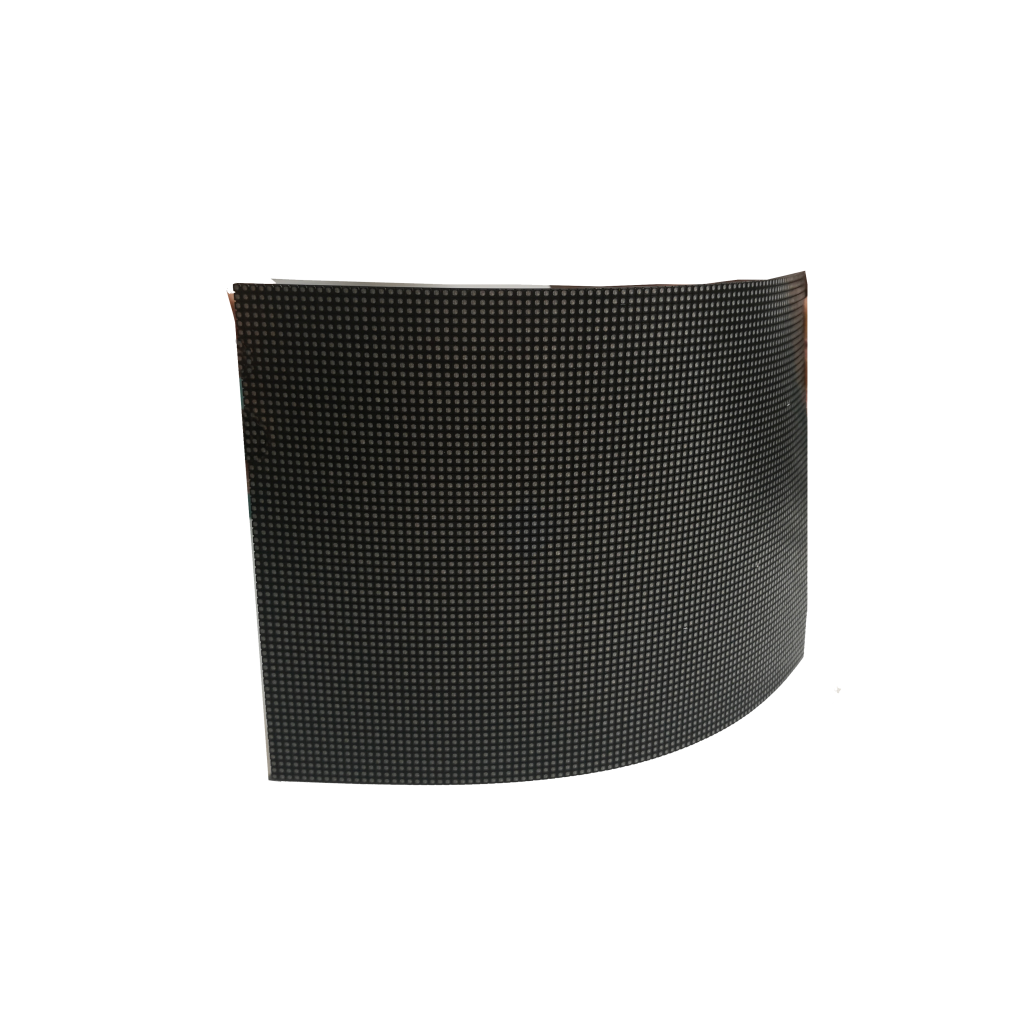


Custom LED displays cost 40% more due to higher material and labor expenses for tailored designs. In 2025, bespoke panels require 20% extra engineering time, while low-volume orders (under 500 units) incur 30% premium logistics fees. Unique shapes/add-ons like curved screens or IP68 waterproofing further raise costs by 15-25%, as standardized mass-production discounts don’t apply.
Size and Shape Costs
Custom LED displays cost 40% more than standard models, and size and shape variations are the biggest reasons. A standard 2m x 1m LED panel costs around 2,100—a 75% increase. The price difference comes from manufacturing adjustments, material waste, and specialized engineering.
Deviating from these forces factories to reconfigure machinery, slowing output by 20-30%. For example, a 2.5m x 1.2m display requires custom PCB layouts, increasing labor time by 15 hours per unit. Additionally, odd shapes (curved, circular, triangular) waste 12-18% more raw materials due to cutting inefficiencies.
A 4m x 2m display needs 30% thicker aluminum framing to prevent warping, adding 50-$120 per unit.
Here’s a quick breakdown of how size impacts pricing:
| Display Size | Standard Cost | Custom Cost | Markup |
|---|---|---|---|
| 2m x 1m (flat) | $1,200 | $1,200 | 0% |
| 3m x 1.5m (flat) | $1,800 | $2,100 | 16.7% |
| 2.5m x 1.2m (curved) | $1,500 | $2,250 | 50% |
| 4m x 2m (flat) | $2,400 | $3,360 | 40% |
A circular LED display (3m diameter) costs 2,400 for a flat 3m x 3m square—a 58% premium. The reason? Pixel density adjustments. Standard grids use uniform spacing, but curved or circular displays require 5-10% more LEDs to avoid distortion at edges.
A 5m x 3m display takes 3 workers 8 hours (300 labor). For outdoor setups, wind load calculations add 1,000 in engineering fees for displays over 10㎡.
Special Materials Impact
Custom LED displays don’t just cost more because of size—the materials used can add 15-50% to the final price. A standard indoor LED screen uses basic aluminum frames and polycarbonate diffusers, costing around $80 per m². But if you need weatherproofing, higher brightness, or flexible panels, material costs jump sharply.
For example, outdoor LED displays require IP65-rated aluminum housings, which cost 35 per m². High-brightness LEDs (≥5,000 nits) need copper-heavy PCBs to handle heat, increasing PCB costs by $22 per panel.
A standard rigid LED module costs 280 per m²—an 87% markup. The adhesive layers alone add $40 per m² because they must withstand bending without cracking.
Here’s how material choices affect pricing in real-world scenarios:
- Basic Indoor Display (SMD LEDs, standard aluminum frame) → $1,200 for 2m x 1m
- Outdoor Display (IP65 housing, 5,000-nit LEDs) → $2,100 for same size (75% more)
- Flexible Curved Display (polyimide backing, bendable LEDs) → $3,400 (183% more)
Standard LED displays run at 60-70°C, but high-brightness models hit 85-95°C, requiring active cooling systems. A 2m x 1m outdoor display needs 4 cooling fans (90 extra). Without these, LED lifespan drops from 80,000 hours to under 50,000.
A standard LED panel has 80-90% opacity, but a transparent version (50% light pass-through) costs $3,800 per m²—3x more. The ultra-thin glass substrate and specialized mounting hardware account for 65% of the premium.

Software Setup Fees
Most people think LED displays are just about hardware, but software configuration adds 10-25% to the total cost—and that’s before ongoing maintenance. A basic 2m x 1m indoor LED screen might cost 1,500+.
The biggest expense is display controller software. Off-the-shelf solutions like NovaStar or Colorlight charge 800 per license, depending on resolution and features. If you need real-time data feeds (stock tickers, live sports scores), expect to pay 5,000 and can hit $20,000 for complex setups like interactive touchscreens.
Pixel calibration is another hidden cost. A standard 2m x 1m P3 LED panel takes 3-4 hours to calibrate (200 labor), but a high-end P1.2 fine-pitch display needs 8-12 hours (600) because of tighter LED spacing. Without proper calibration, color uniformity suffers—some LEDs may appear 15-20% brighter than others, creating visible patches.
CMS subscriptions add recurring fees. Basic cloud-based systems like BrightSign or ScreenCloud cost 50/month, but enterprise solutions (Scala, Broadsign) run 500/month for multi-screen management. If you want automated scheduling (e.g., ads changing every 30 minutes), add $1,000+ in initial programming fees.
Here’s how software costs break down for different setups:
| Application | Software Cost | Setup Time | Ongoing Fees |
|---|---|---|---|
| Basic indoor display | 500 | 2-3 hours | $20/month |
| Outdoor digital billboard | 1,500 | 6-8 hours | $150/month |
| Interactive touchscreen | 15,000 | 20-40 hours | $300/month |
| 4K video wall (multi-panel) | 4,000 | 10-15 hours | $200/month |
A single 4K LED wall needs 10Gbps switches (800 each) to avoid lag, plus 500 in cabling. If you’re streaming 24/7 content, data usage hits 2-4TB/month, adding $100+ in bandwidth costs.
Bottom line: If you’re buying an LED display, don’t assume software is cheap or optional. Budget at least 15% of hardware costs for setup, and 5-10% annually for maintenance. The more complex your needs, the faster software expenses spiral—a 3,000+ in software.
Low-Volume Surcharge
Brace yourself—manufacturers charge 25-60% extra for small batches, turning what seems like a simple purchase into a surprisingly expensive project. A standard 2m x 1m LED panel that costs 1,800-$1,950 for a single unit—a 50-63% price hike.
For example, SMT (surface-mount technology) assembly lines need 2-3 hours of recalibration for small batches versus 15 minutes per unit in bulk. That downtime adds 400 in labor fees to your order.
Suppliers sell PCB substrates, LEDs, and driver ICs at 15-30% higher rates for orders under 50 units. If your design uses uncommon components (like high-CRI LEDs), lead times stretch from 2 weeks to 6-8 weeks, and per-unit costs spike by 40%+.
Here’s how order quantity affects pricing for a 2m x 1m P2.5 LED panel:
- 1 unit → $1,850 (55% surcharge)
- 10 units → $1,400 each (17% surcharge)
- 50 units → $1,250 each (4% surcharge)
- 100+ units → $1,200 each (bulk price)
Testing and QC add another 8-12%. In mass production, manufacturers test 5% of units randomly, but for small batches, every single display gets inspected—adding 2-3 hours of labor (150) per unit. Custom certifications (UL, CE, RoHS) cost 1,200 flat regardless of order size, so a 1-unit order absorbs the full fee.
A 500kg pallet of 10 displays ships for 60/unit), but a single 50kg unit costs 200-$500.


![How to Choose a Flexible LED Display [Buyer's Guide]](https://www.szradiant.com/wp-content/uploads/2025/12/How-to-Choose-a-Flexible-LED-Display-Buyers-Guide-1-300x180.jpg)


