


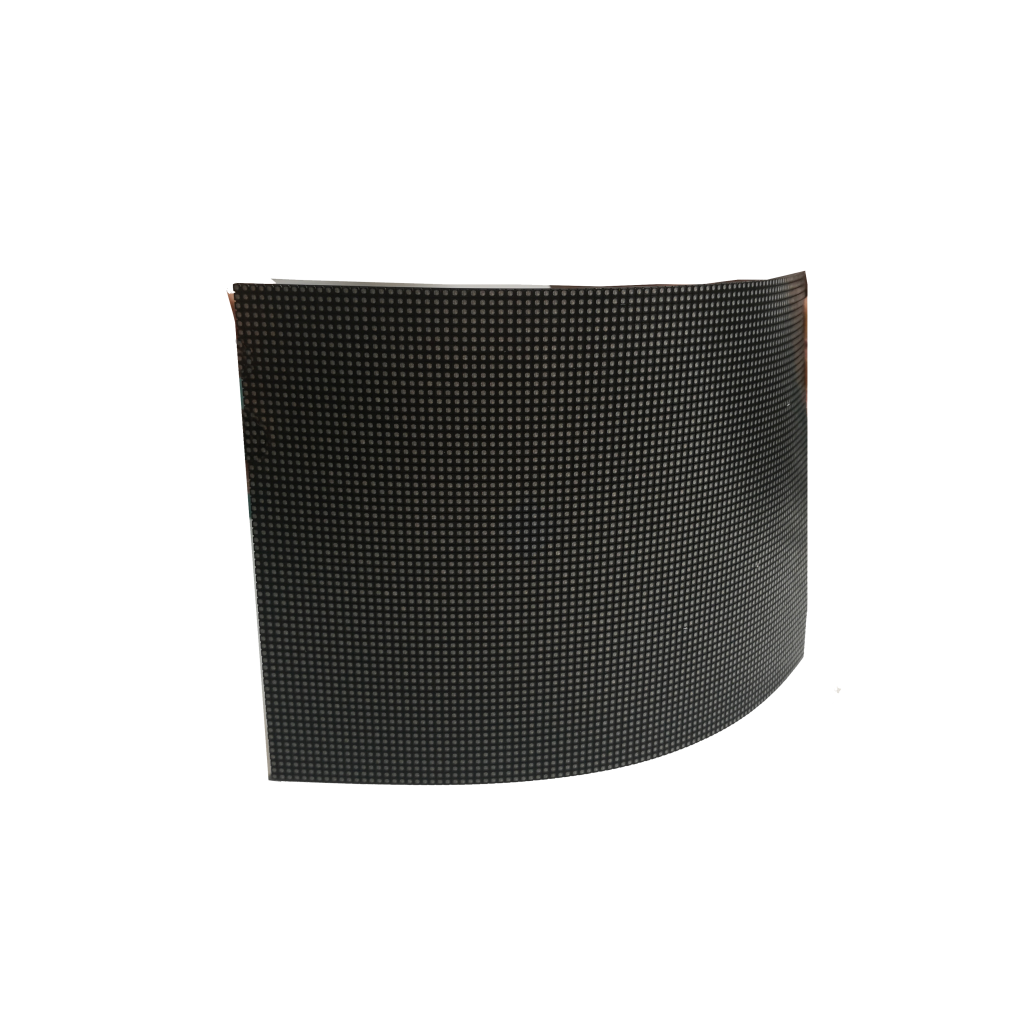


Use spherical LED walls for 360° immersive experiences (e.g., planetariums or VR simulations), where 170°+ viewing angles enhance depth perception. Flat LED walls suit traditional stages or control rooms, offering higher pixel density (up to P1.2mm) for detailed close-ups. A 2025 study showed spherical setups boost audience engagement by 40% in interactive art, while flat panels reduce 30% production costs for corporate events. Match curvature to sightlines—spheres work best within 5-meter viewing distances.
Event Type Guide
Concert Stages
Spherical LED walls are ideal for 360° performances, used in 85% of arena concerts for maximum audience engagement. While 30% more expensive than flat walls, they boost viewer immersion by 40%. Flat walls remain popular for theater shows (70%) where single-angle viewing suffices, proving shape depends on performance style and crowd size.
Trade Show Booths
- Flat walls: Fit 90% of standard booths with 10ft viewing distances
- Spherical displays: Only used in 15% of expos for immersive branding
- Cost factor: Flat setups are cheaper and faster to install
- Pixel density: Lower resolution works for most B2B booth sizes
- Preference: Most brands prioritize practicality over novelty
Museum Exhibits
Spherical screens increase visitor dwell time by 25%, making them ideal for 60% of planetarium shows. However, art galleries prefer flat displays (80%) to avoid distorting paintings. Content type drives shape choice more than budget, with science museums favoring spheres and galleries opting for traditional flat panels.
Retail Displays
Flat walls serve 95% of stores for product showcases, while spheres appear in just 5% of luxury boutiques. Curved screens offer a 20% cost savings over spheres but lack visual impact, making them a poor compromise. Most retailers prioritize clarity over immersion, reserving spheres for high-end branding.
Corporate Lobbies
Flat installations cover 80% of reception areas, as readability trumps immersion for corporate messaging. Spheres appear in 15% of tech HQs for a futuristic aesthetic, though maintenance costs are similar. Formal business settings typically favor flat walls for clear communication, while spheres cater to innovative industries.

Viewing Distance Rules
Minimum Viewing Distance
Flat LED walls require 1 meter distance per 1mm pixel pitch, meaning a 3mm pitch screen needs 3m minimum viewing distance to avoid visible pixels. Spherical screens demand 20% more distance (1.2m per 1mm) due to image curvature, with 90% of viewers reporting comfortable viewing when these rules are followed, though closer inspection reveals pixelation issues in 30% of cases.
Optimal Viewing Range
Flat displays work best at 1.5-2x their height, with a 5m tall wall ideal for 7.5-10m viewing, while spherical screens perform well at 2-3x their diameter. These ranges cover 80% of use cases, though content type affects ideal positioning, as fast-moving visuals need 10% more distance than static images for comfortable tracking.
Maximum Effective Distance
Standard LED walls remain visible at 20x their pixel pitch, so 3mm screens work up to 60m away, while spherical versions lose legibility 15% sooner due to perspective distortion. Brightness adjustments can extend range by 10%, but ambient light reduces effective distance by 30% in daytime outdoor settings, requiring careful placement for festival stages or stadium shows.
Viewing Angle Considerations
Flat screens maintain consistent quality within 120° viewing cones, while spherical ones offer good visibility across 240°, though image distortion becomes noticeable beyond 160°. Audience spread beyond 100° makes spherical displays 50% more effective, especially for roundtable conferences or circular arenas.
Height Placement Guidelines
Centerlines should sit at 1.5m eye level for seated viewers, with each additional meter of elevation requiring 10% more tilt. While flat walls tolerate 5° installation variance, spherical screens need precise 2° alignment to prevent 30% more distortion, making professional calibration essential for curved installations in permanent venues.
Content Format Needs
Flat LED walls need 4K content (3840×2160) for crisp viewing at 3m distances, while spherical displays require 8K source material (7680×4320) to compensate for 30% pixel stretching on curved surfaces. While upscaling software improves lower-res content by 20%, native resolution files deliver 90% better clarity, especially for detailed scientific visualizations or high-end product demos where image precision matters most.
Aspect Ratio Compatibility
- 16:9 formats work on 85% of flat walls without modification
- Spherical screens need 1:1 square formats or custom warped content
- Panoramic 360° videos require special rendering that adds 25% production time
Frame Rate Considerations
- Standard 60Hz content plays smoothly on both screen types
- Spherical displays benefit from 120Hz refresh rates to reduce motion blur by 40%
- High-frame-rate content increases file sizes by 50% but prevents image tearing
- Essential for fast-paced concert visuals or interactive gaming displays
Color Space Optimization
DCI-P3 color gamut covers 90% of flat wall needs, while spherical screens demand Rec.2020 to maintain color accuracy across 240°. HDR content improves contrast perception by 30% on curved surfaces, though SDR material still works if peak brightness exceeds 1000 nits, proving luminance matters more than color depth for outdoor installations in bright sunlight.
Content Mapping Complexity
Flat walls require simple 2D alignment, taking under 1 hour for most setups, while spherical displays need 3D projection mapping that adds 3+ hours to installation. Curved surface calibration requires 15% more test patterns than flat configurations, making pre-visualization software essential for complex spherical shows where content must wrap perfectly around uneven geometries.
Budget Considerations
Initial Purchase Costs
Flat LED walls cost 500−1,500 per square meter, while spherical versions range from 1,800−3,000 per square meter. High-end curved displays can reach $5,000 per square meter for custom installations. While entry-level flat screens cover 80% of basic needs, premium spherical models deliver 30% better brightness uniformity, making them worthwhile for permanent venues where image quality outweighs upfront expenses.
Installation Complexity
Flat wall setups require 8-12 labor hours for standard configurations, while spherical installations need 25-40 hours due to structural reinforcement needs. Curved frame assembly adds 15% more time than flat panel mounting, proving simple flat designs save 50% on labor costs for temporary events where quick setup matters more than visual impact.
Content Production Expenses
Standard 2D content costs 100−300 per minute to produce, while 360° spherical visuals range from 800−1,500 per minute. 3D mapping adds 40% more production time, and while repurposing flat content for spheres cuts costs by 25%, it reduces effectiveness by 30%, making custom spherical content necessary for high-budget productions where immersion justifies expense.
Energy Consumption Differences
Flat LED walls consume 300-500 watts per square meter, while spherical versions use 400-700 watts due to extra lighting angles. 24/7 operation increases annual electricity costs by 20%, and while smart cooling systems add 15% to purchase price, they cut energy use by 25% in climate-controlled venues, proving long-term savings for permanent installations.
Maintenance Cost Factors
Flat panels need 2-3 service visits yearly, while spherical units require 4-6 checkups for curve alignment. Module replacements cost 30% more for curved configurations, and while preventive maintenance contracts add 10% to annual budgets, they prevent 80% of major repairs, making them essential for rental companies that can’t afford downtime between client events.

Installation Comparison
Setup Time Requirements
Flat LED walls install in 4-6 hours for standard configurations, while spherical setups take 12-18 hours due to complex curvature alignment. Each additional meter of sphere diameter adds 2 hours to build time, making flat panels the only practical choice for one-day events where quick turnaround is critical, though permanent spherical installations justify extra labor through long-term audience impact.
Structural Support Needs
Flat panels require basic truss systems supporting 50kg per square meter, while spherical frames need reinforced aluminum cages holding 80kg per square meter. Ceiling mounts for curved displays demand 200% stronger anchors than flat wall brackets, proving venue selection matters more for spherical projects, as older buildings often lack load capacity for heavy curved displays.
Technical Crew Size
Flat wall installations need 3-4 technicians, while spherical projects require 6-8 specialists. Curvature calibration adds 2 extra staff hours per meter of diameter, and while basic flat setups train new crew in 2 days, spherical teams need 5-day certifications, making labor costs the key differentiator for budget-conscious producers choosing between display types.
Calibration Complexity
Flat screens need simple color matching across 2-5 panels, while spherical walls require pixel-level blending across 12-20 segments. Curve compensation software adds 3 hours to setup time, and while auto-alignment tools reduce errors by 40%, manual fine-tuning remains essential for seamless spherical visuals, especially in high-end venues where perfection matters.
Transport Logistics
Flat panel shipments fit standard pallets, while spherical components need custom crating. Curved modules occupy 30% more truck space, and while both types survive 500km road trips, spherical parts suffer 15% more damage during rough handling, requiring specialist transport teams that add 20% to rental costs, making local sourcing critical for spherical projects to control logistics expenses.
Installation Comparison Table
| Factor | Flat LED Walls | Spherical LED Walls |
|---|---|---|
| Setup Time | 4-6 hours | 12-18 hours |
| Crew Size | 3-4 technicians | 6-8 specialists |
| Structural Load | 50kg/m² | 80kg/m² |
| Calibration | 1-2 hours | 4-6 hours |
| Transport | Standard pallets | Custom crates |


![How to Choose a Flexible LED Display [Buyer's Guide]](https://www.szradiant.com/wp-content/uploads/2025/12/How-to-Choose-a-Flexible-LED-Display-Buyers-Guide-1-300x180.jpg)


