


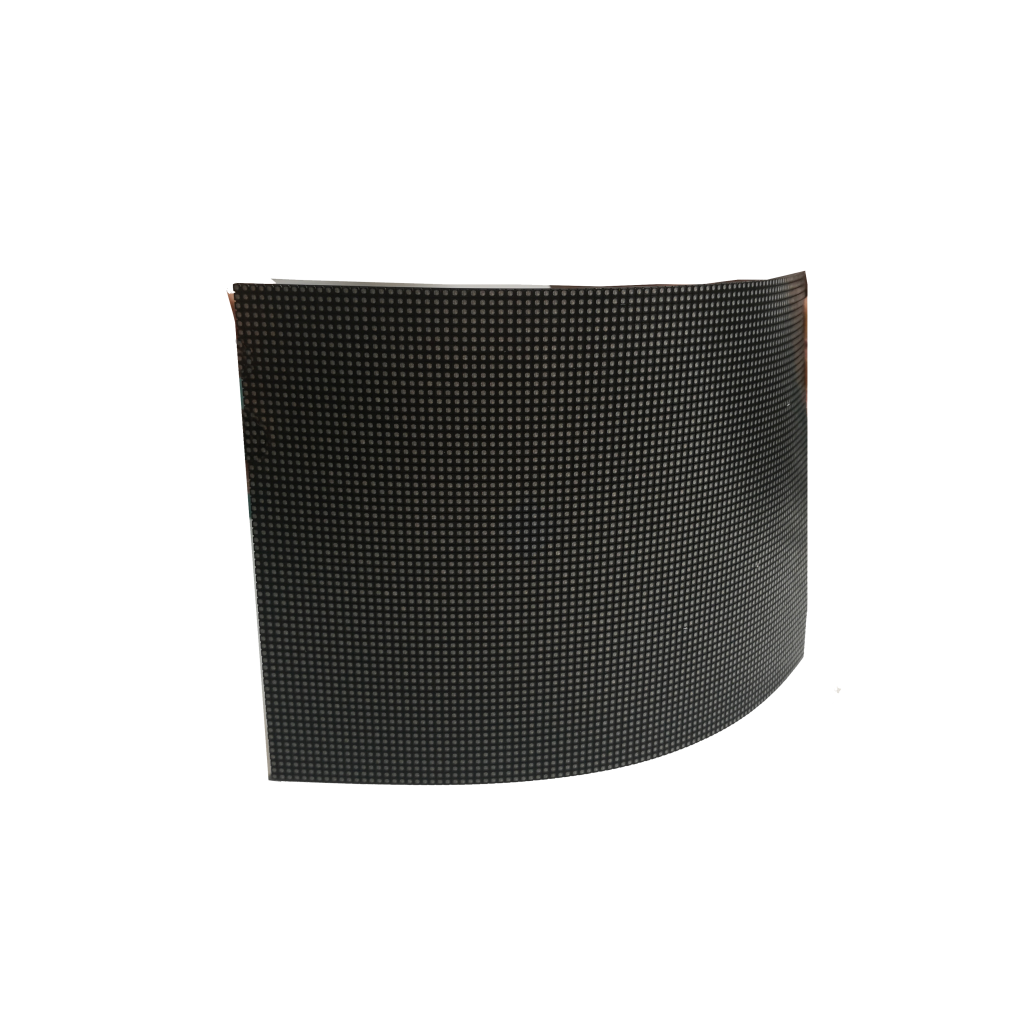


In construction, LED stands for Light Emitting Diode, a highly energy-efficient lighting technology that consumes up to 90% less power than traditional incandescent bulbs. LEDs are widely used in buildings for their long lifespan (50,000+ hours), durability, and cost-saving benefits, making them ideal for architectural, task, and decorative lighting. Their low heat emission and versatility in design also enhance safety and aesthetics.
LED Basics in Construction
Unlike traditional incandescent or fluorescent lights, LEDs convert over 90% of energy into light, wasting minimal power as heat. This makes them 80-90% more efficient than older bulbs, drastically cutting electricity costs. A typical LED lasts 50,000 to 100,000 hours, compared to just 1,000-2,000 hours for incandescent bulbs, reducing replacement frequency and labor costs. In commercial buildings, switching to LEDs can lower lighting energy consumption by 60-70%, with payback periods often under 3 years due to utility savings.
How LEDs Work in Construction
Their compact size (as small as 3-5mm in diameter) allows for flexible installation in tight spaces, such as under cabinets, in coves, or within architectural features.
LEDs also operate efficiently in low temperatures (-20°C to 60°C), making them suitable for refrigerated storage, cold climates, and exterior lighting.
Key Performance Metrics
- Luminous Efficacy: Modern LEDs deliver 100-200 lumens per watt (lm/W), far exceeding incandescent bulbs (10-17 lm/W) and even CFLs (50-70 lm/W).
- Color Rendering Index (CRI): High-quality LEDs achieve CRI 90+, closely mimicking natural light for accurate color perception in retail and workspaces.
- Dimming Capability: Unlike fluorescents, most LEDs are fully dimmable (0-100%), allowing dynamic lighting control in offices, hotels, and smart buildings.
Cost & Energy Savings Breakdown
| Factor | LED | Incandescent | CFL |
|---|---|---|---|
| Lifespan (hours) | 50,000-100,000 | 1,000-2,000 | 8,000-10,000 |
| Energy Use (Watts for 800 lm) | 9-12W | 60W | 13-15W |
| Annual Energy Cost (12h/day @ $0.12/kWh) | $4-6 | $26-31 | $7-9 |
| Replacement Frequency (10 years) | 0-1x | 20-40x | 5-6x |
For a mid-sized office building (50,000 sq ft), switching from fluorescents to LEDs can save 10,000 annually in energy and maintenance. Municipalities report 30-50% lower streetlighting costs after LED retrofits, with some cities achieving ROI in under 2 years.
Common Construction Applications
- Architectural Lighting: LEDs enable precise beam control for highlighting facades, bridges, and monuments.
- Task Lighting: Under-cabinet LEDs in kitchens or workspaces provide 500-1,000 lux of shadow-free illumination.
- Emergency & Exit Signs: Low-power LEDs (3-5W) run for decades without bulb changes.
- Smart Lighting Systems: Integrated with sensors, LEDs adjust brightness based on occupancy, saving an additional 15-30% energy.
Future Trends & Innovations
The next wave includes Li-Fi (Light Fidelity), where LEDs transmit data via light waves, and human-centric lighting, which adjusts color temperature (2,700K-6,500K) to align with circadian rhythms. With prices dropping 10-15% yearly and efficiency rising, LEDs will dominate 95% of construction lighting by 2030.
In short, LEDs aren’t just a lighting choice—they’re a long-term investment in sustainability, safety, and smart building design.
Energy Efficiency Benefits of LEDs in Construction
A standard 60W incandescent bulb wastes 90% of its energy as heat, while an equivalent 9W LED delivers the same brightness with 85% less power consumption. In commercial buildings, lighting accounts for 20-30% of total electricity use, but switching to LEDs can slash that figure by 60-70%. For a typical office building (50,000 sq ft), this translates to 12,000 in annual savings—enough to justify a full LED retrofit in under 3 years.
How LEDs Achieve Superior Efficiency
This process wastes almost no energy as heat, allowing them to operate at 80-90% efficiency—far higher than fluorescents (50-60%) or halogens (10-15%). A single 15W LED panel can replace a 40W fluorescent tube while providing 20% more lumens (2,800 vs. 2,300 lm), reducing both wattage and cooling costs.
Another key factor is directional light output. Traditional bulbs emit light in all directions, requiring reflectors to redirect it, which loses 30-40% of lumens. LEDs emit light in a 180-degree beam, minimizing waste. This makes them ideal for recessed downlights, streetlights, and task lighting, where precision matters.
Real-World Energy Savings Data
- Retail Stores: A 10,000 sq ft store switching from T8 fluorescents to LEDs cuts lighting energy use from 18,000 kWh/year to 6,500 kWh/year, saving 0.12/kWh).
- Warehouses: High-bay LED fixtures (120W) replace 400W metal halides, reducing energy consumption by 70% while increasing light levels from 50 to 80 lux.
- Street Lighting: Cities report 50-60% lower energy costs after LED conversions, with some municipalities seeing ROI in 18 months due to reduced maintenance.
Thermal & Operational Advantages
LEDs run cooler than traditional bulbs, with surface temperatures rarely exceeding 60°C (140°F), compared to 150°C (302°F) for halogens. This lowers HVAC loads—a critical factor in climates where cooling accounts for 40% of building energy use. In refrigerated spaces like supermarkets, LEDs prevent 3-5% extra cooling loss caused by heat-emitting fluorescents.
They also perform better in cold environments. While fluorescents struggle below 10°C (50°F), LEDs maintain full brightness at -20°C (-4°F), making them perfect for parking garages, freezers, and outdoor signage.
Long-Term Financial Impact
The upfront cost of LEDs has dropped 80% since 2010, with prices now at 5 per bulb for residential use and 50 per fixture for commercial applications. When factoring in their 50,000-hour lifespan, LEDs cost 0.12 for incandescents and $0.03 for CFLs.
For large-scale projects, the savings multiply. A hotel replacing 5,000 halogen bulbs with LEDs spends 75,000 in energy and $15,000 in maintenance over five years. Tax incentives (like the U.S. EPAct deduction) can cover 30-50% of retrofit costs, accelerating payback.
Future-Proofing with Smart Controls
Pairing LEDs with motion sensors and daylight harvesting can boost savings another 15-30%. A study of office buildings found that automated dimming reduced lighting energy use from 1.2 W/sq ft to 0.8 W/sq ft—a 33% drop with zero human intervention.
As grid electricity prices rise 3-5% yearly, LEDs offer a rare win: lower costs, better performance, and a smaller carbon footprint. By 2030, global LED adoption is projected to save 1,800 TWh of electricity annually—equivalent to 500 coal plants’ output. That’s not just efficiency; it’s a transformation in how we light our world.

Long Lifespan & Durability of LEDs in Construction
1. Unmatched Operational Lifespan
- Traditional lighting:
- Incandescent: 1,000-2,000 hours (3-9 months at 12 hrs/day)
- CFL: 8,000-10,000 hours
- LED lighting:
- 50,000-100,000 hours (11-23 years at 12 hrs/day)
- Maintain ≥70% brightness throughout lifespan
- Case study: School district saved $12,000/year by reducing relamping labor from 400 to 40 hours
2. Extreme Environment Performance
- Temperature range: -40°C to +60°C (-40°F to 140°F)
- 3-5× longer lifespan in freezer warehouses
- Humidity resistance: IP65-rated for car washes, food processing plants
- Chemical resistance: Maintains 90% output after 5 years in oil refineries
3. Superior Cycling Endurance
- 50,000+ on/off cycles (vs 5,000-10,000 for CFLs)
- Ideal for high-traffic areas:
- Stairwells
- Restrooms
- Warehouses
4. Real-World Longevity Data
- Streetlights: 92% functional at 50,000 hours (<10% lumen loss)
- Retail lighting: 7-10 years between replacements (vs 6-18 months for halogens)
- Hospital savings: Avoided 40,000 bulb changes over 15 years
5. Military-Grade Durability
- Vibration resistance: Withstands 15G sustained, 1,500G shock
- Impact resistance: Polycarbonate housings survive 3J impacts
- No glass components: Eliminates shattering risk
6. Maintenance & Cost Savings
- Commercial buildings: 60-80% reduction in relamping costs
- Municipalities: 50% lower maintenance budgets
- Industrial facilities: 3-5× longer service intervals
Applications
- Freezer warehouses
- Transportation tunnels
- Chemical plants
- Prisons/public spaces
- Outdoor lighting
Bottom Line: LEDs deliver unmatched durability while slashing maintenance costs across all construction applications.
Common Construction Uses of LED Lighting
In commercial buildings, LED panels now dominate 75% of ceiling lighting installations, providing 40-50% energy savings compared to fluorescent troffers while delivering superior 80+ CRI light quality. Parking garages have seen perhaps the most dramatic shift – where 400W metal halides once consumed 175 kWh monthly per fixture, 100W LED equivalents cut consumption to 43 kWh while improving light uniformity from 0.4 to 0.7.
Linear LED strips, typically 5-20mm wide with 120-180 lumens per foot, enable seamless architectural lighting in coves, stair risers, and display cases where traditional lighting would be impractical. High bay LED fixtures, ranging from 15,000 to 50,000 lumens output, now illuminate 90% of new warehouse construction projects, reducing typical lighting power density from 1.8 W/sq ft to 0.9 W/sq ft.
Roadway construction projects increasingly specify LED streetlights with 10,000-20,000 lumen outputs and 70,000-hour lifespans, achieving 60% energy savings versus HPS fixtures while providing 2:1 uniformity ratios that enhance driver safety. Tunnel lighting systems using LEDs with automatic dimming controls maintain 50-100 lux levels while using 30% less energy than conventional solutions, with the added benefit of instant restrike capability when power fluctuates.
Recessed LED downlights (6-15W) replace 50W halogens in display lighting, reducing heat output by 80% while maintaining 90+ CRI for accurate color rendering. Track lighting systems using LED spots deliver 800-1200 lumens from 12W fixtures that previously required 50W MR16 lamps, enabling stores to cut lighting loads by 75% without sacrificing visual appeal.
Examination rooms now use LED surgical lights providing 160,000 lux with 0% UV emission, compared to 100,000 lux metal halide predecessors that emitted harmful radiation. Patient rooms utilize tunable LED systems that adjust from 2700K to 5000K, helping regulate circadian rhythms while reducing nurse station lighting energy use by 40%.
Stadium lighting using 1000W LED fixtures (replacing 2000W metal halides) achieves 80 lux uniformity across playing fields while consuming 50% less energy. Landscape lighting with 3-5W LED bollards lasts 5 times longer than 20W halogen versions, with 50% wider beam spreads for improved safety. Marine-grade LED fixtures withstand salt spray corrosion 10 times longer than traditional lighting in port and coastal applications.
Food processing plants use IP69K-rated LED fixtures that withstand high-pressure washdowns while providing 50% more light than the fluorescent tubes they replace. Manufacturing facilities implement LED high bays with 50,000-hour lifespans that withstand 10G vibrations, compared to metal halides failing after 5,000 hours in the same conditions. Hazardous location LEDs certified for Class I Division 2 areas reduce explosion risks while offering 70% energy savings over traditional explosion-proof fixtures.
6-inch LED recessed lights consuming 9W replace 65W BR30 lamps, saving homeowners $15 annually per fixture. Under-cabinet LED tape lights at 500 lumens per foot provide task lighting using 80% less energy than fluorescent alternatives. Smart LED bulbs with 800 lumens output and 50,000-hour lifespans now constitute 60% of all residential lighting sales, enabling homeowners to reduce lighting electricity use by 85% compared to incandescent bulbs.
Solar-powered LED streetlights with 10-year battery backups are transforming rural road projects where grid connections prove impractical. Li-Fi enabled LED fixtures transmitting data at 100 Mbps while providing illumination are being piloted in smart city projects. UV-C LED disinfection lighting, capable of reducing surface pathogens by 99% in 15 minutes, is being integrated into hospital renovation projects as supplemental infection control measures.
Cost & Maintenance Savings with LED Lighting
A typical commercial facility lighting 5,000 square feet for 12 hours daily will spend 1,200 with equivalent LED fixtures—a 68% cost reduction that often pays back the initial investment in under 2 years. Maintenance savings prove equally compelling, where a hospital replacing 1,200 fluorescent fixtures with LEDs slashed its annual relamping labor from 480 hours to just 24 hours, cutting 8,000 in disposal fees for spent bulbs.
Energy Savings
- A 32W T8 fluorescent tube (with ballast) draws 38W, while an 18W LED equivalent provides equal brightness at 53% less power.
- A mid-sized office building with 500 fixtures operating 4,000 hours annually saves 0.15/kWh.
- Industrial facilities gain even more—a warehouse replacing 100 high-bay fixtures (400W metal halide → 150W LED) saves $11,000 annually while improving light levels from 30 to 50 foot-candles.
Maintenance & Lifespan Benefits
- Fluorescent tubes require replacement every 12,000-15,000 hours; LEDs last 50,000-100,000 hours before 30% lumen depreciation.
- A retail store with 300 fixtures operating 6,000 hours yearly reduces annual bulb replacements from 150 to 30 over a decade—cutting maintenance costs from 1,500 and avoiding 1,200 disposal events.
- Municipal LED streetlight retrofits cut maintenance workload by 60% (service intervals: 5-7 years for LEDs vs. 6-12 months for HPS).
Cost Comparison (LED vs. Fluorescent)
- A 4-foot LED tube costs 5 for fluorescent, but 5-year operating costs tell the real story:
- LED: $38 (electricity + one replacement)
- Fluorescent: $92 (higher energy use + 3 replacements)
- Schools implementing district-wide LED conversions report 7-year savings of $1.50 per square foot, funding educational resources while improving lighting quality.
Commercial & Industrial ROI
- A 100,000 sq ft office building spending $85,000 on an LED retrofit achieves 18-month ROI through:
- $60,000 annual energy savings
- $15,000 maintenance reductions
- Tax incentives (e.g., U.S. EPAct 179D deduction) can cover up to $0.60 per sq ft of project costs.
- Retail stores save $3,000/year in cooling costs—LEDs run cooler, allowing HVAC downsizing (e.g., 5 tons less cooling capacity needed).
Manufacturing & High-Impact Savings
- Manufacturing plants report 70% lower lighting energy costs post-LED conversion, with 5-10x longer fixture life in high-vibration environments.
- A food processing plant replacing 400 fluorescent fixtures with washdown-rated LEDs saved:
- $28,000 annually in energy
- $9,000 in maintenance
- $6,000 in cooling
- Full payback in 14 months
- An automotive plant eliminated 120 annual production interruptions by switching to long-life LED high bays.
Residential & Multi-Family Savings
- A homeowner replacing 30 incandescent bulbs with LEDs spends 600 over 5 years in electricity.
- A 200-unit apartment complex reducing lighting energy use from 1.8 kWh to 0.5 kWh per sq ft annually saves $25,000/year with 80% fewer maintenance calls.
Key Takeaways
✔ LEDs cut energy costs by 50-70% vs. fluorescents/halogens.
✔ Maintenance savings are massive—fewer replacements, lower labor, and longer lifespans.
✔ ROI often achieved in <2 years, accelerated by tax incentives.
✔ Industrial & commercial users see additional savings (cooling, downtime reduction).
✔ Residential & multi-family buildings benefit from long-term cost reductions.
Bottom Line: LED lighting isn’t just efficient—it’s a financial no-brainer for businesses and homeowners alike.


![How to Choose a Flexible LED Display [Buyer's Guide]](https://www.szradiant.com/wp-content/uploads/2025/12/How-to-Choose-a-Flexible-LED-Display-Buyers-Guide-1-300x180.jpg)


