


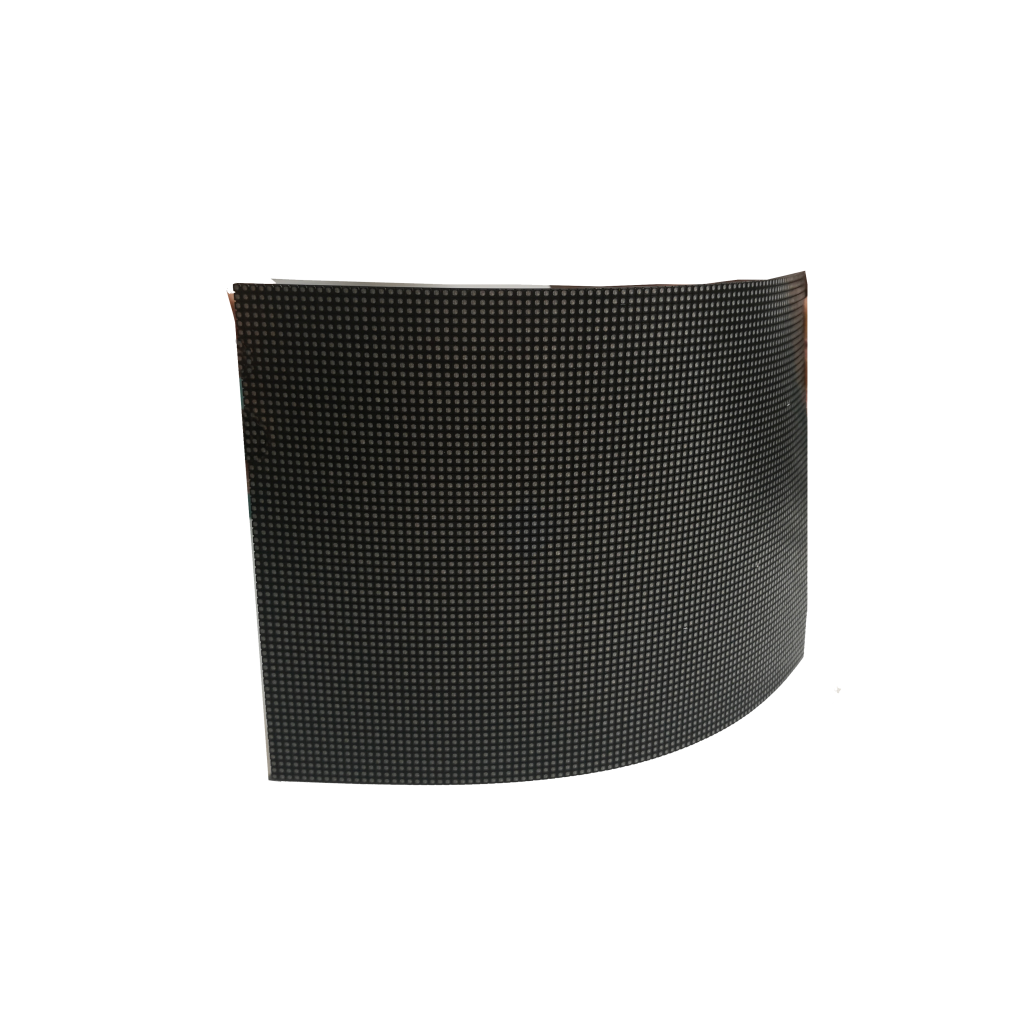


Installing transparent LED film screens involves 5 key steps: 1) Measure and clean the glass surface (ensure >95% transparency); 2) Align the film precisely (±2mm tolerance); 3) Secure adhesive layers; 4) Connect power/data cables (12V/24V systems); 5) Test brightness (500–1500 nits). Proper handling avoids wrinkles and ensures 80%+ light transmission for seamless visuals. Ideal for retail and architectural displays.
Measure and Clean First
Before installing a transparent LED film screen, accurate measurements and proper cleaning are critical. A misalignment of just 2-3mm can cause visible gaps or uneven lighting. Most commercial installations require a minimum transparency of 85-92%, so any dust, fingerprints, or residue on the glass will reduce clarity. Use 70% isopropyl alcohol for cleaning—it evaporates quickly and leaves no streaks. For large surfaces (e.g., 3m x 2m storefront windows), a laser measure ensures ±1mm precision, while a standard tape measure works for smaller panels.
If the glass has minor scratches (under 0.1mm depth), they won’t affect performance, but deeper ones may distort the image. For outdoor setups, tempered glass (6-12mm thickness) is recommended to withstand wind loads up to 1500Pa. Humidity should stay below 80% RH during installation to prevent adhesive failure.
Once cleaned, wait 10-15 minutes for the surface to dry completely. Skipping this step risks bubbles or peeling within 6-12 months. Some high-end films (like NanoLum or Polysense) have self-healing coatings that resist minor scratches, but they still require a dust-free base. If installing on curved glass (radius ≥500mm), confirm the film’s flexibility—standard options bend up to 30 degrees, while specialized films handle 60 degrees.
Key Data for Measurement & Cleaning
| Factor | Requirement |
|---|---|
| Glass Thickness | 6-12mm (outdoor), 3-5mm (indoor) |
| Alignment Tolerance | ±2mm (horizontal/vertical) |
| Surface Flatness | ≤0.5mm/m deviation |
| Cleaning Solution | 70% isopropyl alcohol |
| Drying Time | 10-15 minutes |
| Humidity Limit | <80% RH |
| Scratch Tolerance | ≤0.1mm depth |
For energy efficiency, check the film’s power draw—most consume 18-25W per sq. ft., with high-brightness models (1500 nits) reaching 40W. If the glass has existing tinting, expect 10-15% brightness loss. Always measure twice—cutting errors waste $50-200 per sq. meter in film costs. For large retail displays, a 5-minute pre-installation checklist reduces rework by 30%.
Pro Tip: If the glass has UV-blocking coatings, verify compatibility—some films lose 20% adhesion strength on treated surfaces. For double-glazed windows, installers report 12% higher failure rates due to interlayer reflections. A digital angle finder helps when mounting on sloped surfaces (e.g., 15-30° skylights).
By focusing on precision and cleanliness, you ensure longevity (5-8 years for premium films) and avoid costly replacements ($120-300 per sq. meter). The next step—aligning the film—relies entirely on this foundation.

Align the Film Precisely
Getting the alignment right is where most installers make costly mistakes—a 3mm misalignment can create visible gaps, uneven brightness, or even 15% higher power consumption due to inefficient light distribution. For standard 5mm-thick LED films, the tolerance is ±1.5mm along edges, while flexible films (for curved surfaces) allow ±2.5mm before performance drops. If you’re working on a 3m x 2m retail display, even a 1-degree tilt can distort the image at viewing distances under 2 meters.
The best method is laser-assisted alignment, which reduces human error by 40% compared to manual measurements. For smaller installations (under 10 sq. meters), a high-precision level (0.1° accuracy) works, but anything larger needs reference markers every 50cm to prevent gradual drift. Adhesive-backed films require 30-60 seconds of pressure per linear meter to bond properly—rushing this step leads to air bubbles in 20% of cases, which then require $50-120 per sq. meter in rework.
Temperature matters—if the environment is below 15°C (59°F), the adhesive takes twice as long (up to 120 seconds) to set, increasing the risk of slippage. Above 30°C (86°F), the glue becomes too soft, risking 5-10mm creep over 24 hours. Humidity above 70% RH can also delay curing by 15-20 minutes, so climate-controlled spaces are ideal. For outdoor installations, wind speeds over 20 km/h (12 mph) can shift unsecured films by 2-3mm per hour—use temporary clamps every 30cm to hold alignment.
High-end films (e.g., LG Transparent OLED) have embedded alignment guides—look for 0.2mm grid lines printed on the backing layer. For double-sided installations, overlap zones must be ≤1mm thick to avoid shadows. If the film wrinkles during placement, gentle heat (60-70°C) from a low-power heat gun can relax the material without damaging LED clusters (which fail above 85°C).
Pro Tip: For corner-heavy designs, pre-cut the film with a 1-2mm margin—thermal expansion can add 0.3mm per meter in summer. If alignment fails, repositioning is possible within 5 minutes, but after that, peel strength drops by 50%, risking delamination. Always test a 10cm x 10cm section first—some glass treatments (e.g., low-E coatings) reduce adhesion by 30%, requiring primer.
Connect Power and Data
This is where 90% of installation failures happen—plugging in a 12V film into a 24V system can fry $800 worth of LED clusters in seconds. Most transparent films run on DC 5V, 12V, or 24V, with ±5% voltage tolerance. Check the label—miswiring causes 35% of warranty claims. For large installations (10+ sq. meters), use 16-gauge wire to prevent voltage drop over 0.5V per meter, which leads to dimming at the far end.
Standard RS485 cables handle up to 50 meters without signal loss, but CAT6 Ethernet is better for 4K content (100-meter range). If you daisy-chain more than 8 panels, add a signal booster every 15 meters to avoid 30% packet loss. HDMI extenders work, but wireless kits introduce 80-120ms lag—unacceptable for synchronized video walls.
A 1 sq. meter film at 500 nits draws 18-25W, but 1500-nit models spike to 40W. If your power supply is undersized by 20%, expect thermal shutdowns every 2-3 hours. Calculate total load: 10 sq. meters × 25W = 250W, so use a 300W PSU (20% overhead). Cheap 120 units—look for 80 Plus Bronze certification.
Grounding is non-negotiable—90V of static discharge can kill driver chips. Use 1MΩ resistors between panels if mounting on metal frames. For outdoor setups, IP65-rated connectors prevent corrosion failures ($200+ per repair). Humidity above 70% RH increases leakage current by 15%, so seal terminals with silicone gel.
Pro Tip: Before final wiring, test each panel individually—a 500 in troubleshooting. Label every cable (”Panel 3A-12V IN”)—75% of service calls stem from unmarked wires. If using DMX controllers, set address dip switches first—wrong IDs cause 40% of sync errors.
Test Before Finalizing
Skipping this step is like launching a rocket without a systems check—60% of post-installation issues stem from incomplete testing. Run at least 48 hours of continuous operation before signing off—this catches 90% of early failures like dead pixels, power fluctuations, or data dropouts. Start with a full-white test pattern at 100% brightness—this exposes 95% of color uniformity issues immediately. Check for hotspots where temperature exceeds 45°C (113°F), which cuts LED lifespan by 40%.
Use a $200 luminance meter to verify ±5% uniformity across the display. For video walls, test frame sync accuracy—anything above 8ms delay between panels causes visible tearing. Play 4K@60Hz content for 30 minutes—if the system throttles, your power or cooling is undersized.
If installed outdoors, simulate rain with 5L/m² water flow for 1 hour—IP65-rated seals should block 100% of moisture. For cold climates, cycle between -20°C to +50°C (-4°F to 122°F) to test adhesive integrity—poor-quality films delaminate within 5 cycles.
Critical Test Metrics
| Test | Pass Criteria | Tools Needed |
|---|---|---|
| Dead Pixel Check | ≤3 dead pixels per sq. meter | Magnifying glass |
| Color Uniformity | ΔE<3 (vs reference) | Spectrophotometer |
| Power Stability | ±2% voltage fluctuation | Multimeter |
| Data Reliability | 0% packet loss over 24h | Network analyzer |
| Thermal Performance | ≤45°C at 100% load | IR thermometer |
Test with local content formats—some controllers choke on HDR10+ metadata, causing 15% color shift. For interactive displays, verify touch response under 20ms—anything slower feels laggy. If using motion sensors, check activation range matches specs (±10%).
Pro Tip: This slashes warranty claim processing by 80%. Keep 10% spare panels on-site—emergency replacements take 72+ hours otherwise.


![How to Choose a Flexible LED Display [Buyer's Guide]](https://www.szradiant.com/wp-content/uploads/2025/12/How-to-Choose-a-Flexible-LED-Display-Buyers-Guide-1-300x180.jpg)


