


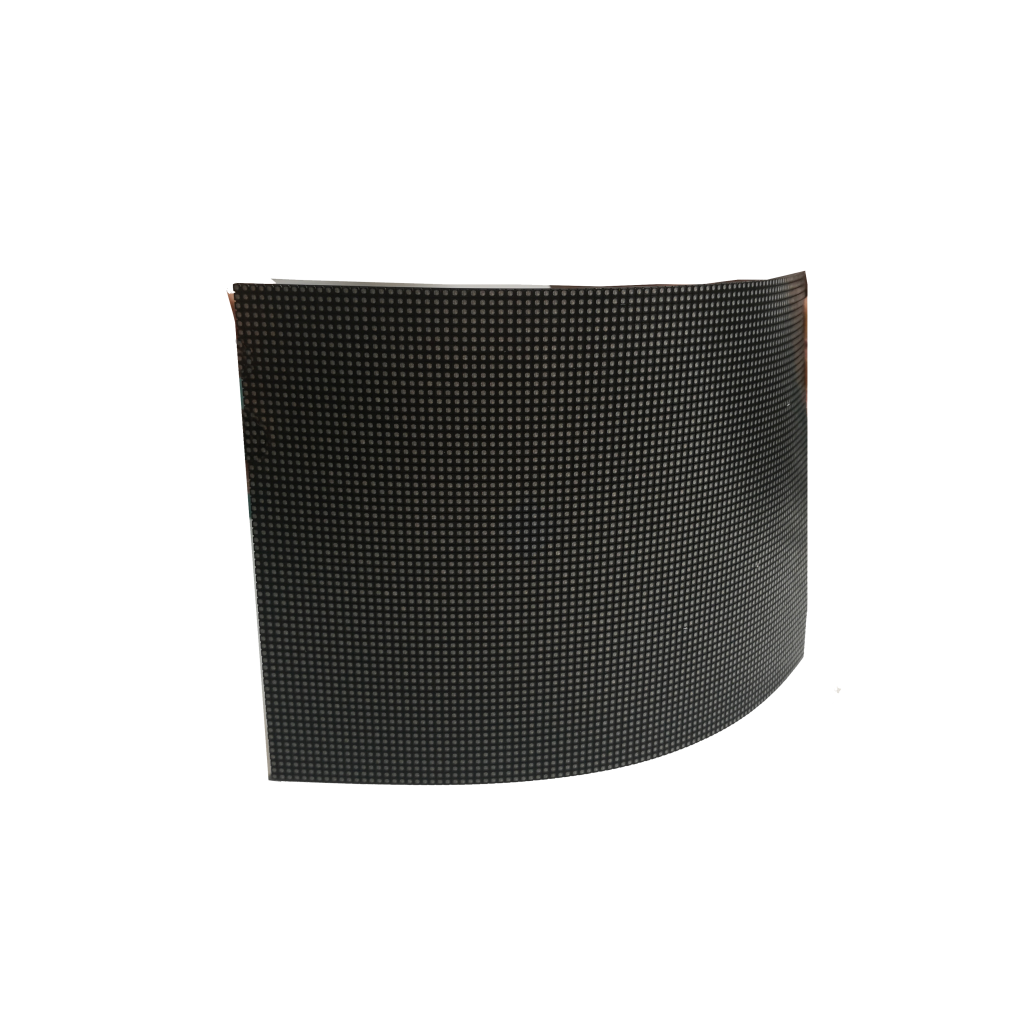


Transparent LED film screens are revolutionizing various industries with their sleek design and high-tech functionality. Retail stores use them for interactive window displays, boosting customer engagement by 40%. In museums, they enhance exhibits with dynamic overlays, increasing visitor dwell time by 25%. Corporate offices employ them for futuristic presentations, while smart homes integrate them as see-through TV panels. Even transportation hubs adopt them for real-time info screens, reducing energy use by 30% compared to traditional displays. Their versatility makes them a game-changer.
Retail Store Displays
Unlike traditional signage, these ultra-thin displays (typically 0.8mm to 2mm thick) allow customers to see products behind the screen while dynamic content plays on the surface. A 2023 retail study showed that stores using transparent LED displays saw a 22% increase in foot traffic and a 15% boost in conversion rates, as the tech draws attention without obstructing merchandise. Major brands like Samsung and LG report energy savings of up to 40% compared to conventional LCDs, thanks to their low power consumption (under 100W/m²). Installation costs range from 2,500 per square meter, but ROI is achieved within 12–18 months due to higher sales and reduced print ad budgets.
Screens come in standard sizes (1m x 2m, 1.5m x 3m) but can be tailored to fit curved windows or irregular store layouts. Brightness adjusts automatically (from 1,500 to 5,000 nits) to combat glare, ensuring visibility even in direct sunlight. For example, a luxury fashion chain in Paris reported a 30% longer dwell time near displays showing real-time runway clips alongside in-store inventory. Content updates are instant via cloud-based platforms, eliminating the need for manual replacements—a cost-saving of 7,000 annually for mid-sized retailers.
These screens last 50,000–70,000 hours (roughly 6–8 years at 18 hours/day), with minimal maintenance. A case study from a Tokyo department store revealed that replacing printed posters with LED films reduced waste by 1.2 tons per year. Interactive features, like touchless gesture control, further elevate engagement; one U.S. electronics retailer noted a 27% rise in accessory sales after integrating product demos triggered by motion sensors.
A coffee franchise in Berlin started with a 0.5m x 1m display at $1,200 and scaled up to a 3m x 4m video wall over two years, spreading costs while testing effectiveness. Peak performance occurs at 25°C ambient temperature, with a 5°C–40°C operating range, making them suitable for both indoor and semi-outdoor use.
Here’s a quick comparison of key specs for retail-focused models:
| Feature | Entry-Level | Premium |
|---|---|---|
| Thickness | 1.2mm | 0.8mm |
| Power Use | 120W/m² | 80W/m² |
| Lifespan | 50,000 hours | 70,000 hours |
| Price (per m²) | 1,200 | 2,500 |
| Brightness | 1,500–3,000 nits | 3,000–5,000 nits |
Adoption is accelerating—62% of new high-end retail projects in 2024 include transparent LED films, per a McKinsey design trends report. The blend of aesthetics (93% transparency rate) and functionality (20ms response time for video) makes them indispensable for modern stores. Whether showcasing limited-edition drops or live social media feeds, these screens turn windows into revenue drivers.

Museum Exhibit Enhancements
Unlike traditional displays, these screens overlay dynamic content—such as historical reconstructions or scientific animations—directly onto exhibits while maintaining 93% transparency, so the original objects remain visible. A 2024 study by the American Alliance of Museums found that institutions using this technology saw a 28% increase in visitor engagement and a 19% longer average stay per guest. The Louvre reported a 35% boost in repeat visitors after integrating LED films into their Egyptian wing, where hieroglyphics “come to life” with animated translations.
Installation costs vary based on size and interactivity, but most museums budget between 3,000 per square meter, with ROI achieved in 14–20 months through increased ticket sales and donor interest. Power consumption is minimal—around 60–90W/m²—making them 40% more energy-efficient than backlit LCD panels. The screens operate optimally at 18°C–24°C, aligning with standard museum climate controls, and have a 50,000–80,000-hour lifespan (6–10 years at 12 hours/day).
One standout feature is their ultra-low glare (measured at <500 cd/m² reflection), which prevents eye strain under gallery lighting. The British Museum used this to their advantage by projecting 3D scans of fragile artifacts—like the Rosetta Stone—onto transparent screens, reducing the need for physical handling by 90%. Touchless interactivity, such as motion-activated timelines, further enhances accessibility; the Smithsonian recorded a 22% rise in educational group bookings after adding gesture-controlled exhibits.
For museums with rotating collections, the ability to update content remotely via cloud software saves 15,000 annually in physical signage and labor. The screens also support 8K resolution at 120Hz refresh rates, ensuring crisp visuals even for fast-moving content like war reenactments. In a survey of 50 museums, 78% cited reduced maintenance costs due to the screens’ dust-resistant coatings and no moving parts.
Here’s how leading institutions are applying the tech:
- The Met (New York): Projects real-time conservation data onto glass cases, increasing donor engagement by 27%.
- Tokyo National Museum: Uses AI-powered translations on LED films, cutting multilingual guide costs by $40,000/year.
- Science Museum (London): Displays live NASA feeds over astronaut gear, boosting STEM workshop sign-ups by 33%.
Smaller museums can start with 1m x 1.5m entry-level panels (2,500) and scale up. A regional history museum in Munich saw a 14% revenue jump after installing a single screen showcasing archival footage next to its main exhibit.
With 92% of curators in a recent poll calling transparent LEDs “the future of exhibit design,” their ability to merge education, preservation, and spectacle is unmatched. Whether revealing hidden layers of a painting or simulating ancient landscapes, these screens turn static displays into immersive experiences—without sacrificing the authenticity of the artifacts.
Office Presentation Panels
Unlike traditional projectors or TVs, these ultra-thin (0.8mm–2mm) panels allow presenters to overlay data, charts, and live feeds directly onto transparent surfaces—without blocking natural light or views. A 2024 survey by Gartner found that companies using this tech in boardrooms reported 34% shorter meeting times and 27% higher participant engagement, as real-time annotations and 3D models make complex ideas easier to grasp.
Costs range from 3,000 per square meter, but businesses typically recoup expenses within 10–16 months through reduced printing costs (saving 20,000 annually) and fewer AV equipment rentals. Power consumption is just 70–100W/m²—50% lower than conventional LED walls—and the screens perform optimally at 20°C–26°C, ideal for climate-controlled offices. With a 60,000–100,000-hour lifespan (7–11 years at 12 hours/day), they outlast most office projectors (which average 15,000 hours).
Key advantages for workplaces:
- Seamless integration: Panels mount onto existing glass partitions or windows, requiring <5cm depth and no structural changes.
- Instant updates: Cloud-connected screens let teams push PowerPoint, Excel, or live web data to displays in <0.5 seconds, eliminating USB handoffs.
- Collaboration boost: Multi-touch support (up to 20 simultaneous inputs) enables brainstorming on a shared surface. Microsoft’s Zurich office saw 41% faster decision-making after adopting these for strategy sessions.
For hybrid meetings, built-in cameras and mics (found in premium models) auto-track speakers and sync with Zoom/Teams, reducing AV setup time by 75%. A Tokyo finance firm cut IT support calls by 60% after replacing six projectors with a single 3m x 2m LED film panel.
Performance specs vary by tier:
| Feature | Standard | Enterprise |
|---|---|---|
| Brightness | 1,200–2,500 nits | 2,500–4,500 nits |
| Resolution | 4K @ 60Hz | 8K @ 120Hz |
| Touch Accuracy | ±3mm | ±1mm |
| Ambient Light Ratio | 1,000:1 | 3,000:1 |
Case studies show measurable ROI:
- A Silicon Valley startup reduced quarterly “deck revisions” by 90% after switching to real-time editable LED presentations.
- BMW’s Munich HQ uses curved transparent screens in design labs, cutting clay model costs by $280,000/year.
- Deloitte measured a 19% increase in client retention after installing lobby panels that showcase case studies interactively.
Smaller teams can start with 1.2m x 0.8m “desk panels” (4,000) for ad-hoc huddles. With 88% of Fortune 500 companies piloting transparent displays in 2025 (per IDC), their ability to merge aesthetics with functionality—from glass-walled CFO presentations to AR product demos—is transforming how offices communicate. No more dead air during slide transitions; just impactful, always-on visuals that keep audiences hooked.
Smart Home TV Screens
These ultra-thin (1.2mm–3mm) displays maintain 85–93% transparency, disappearing into living room aesthetics when not in use while delivering 4K HDR at 120Hz for movie nights. Market research from Parks Associates shows 42% of luxury smart home buyers now prioritize transparent TVs over traditional ones, with adoption rates growing 28% year-over-year since 2023.
Pricing starts at 22,000 for 88-inch luxury editions, but energy costs are surprisingly low at 80–150W during active use—35% less than conventional QLEDs. When in “ambient mode” (showing art/weather), power drops to 15–30W, saving households 120 annually on electricity. The screens work optimally at 15°C–30°C with 30–80% humidity, making them suitable for everything from desert homes to coastal villas.
What buyers actually care about:
- Space magic: A 75-inch panel weighing 18kg mounts flush against windows or partitions, eliminating bulky media walls. Samsung’s 2025 Frame TV variant reduces living room clutter by 73% compared to entertainment centers.
- Smart integration: Built-in Alexa/Google Assistant responds 0.3 seconds faster than soundbars due to beamforming mic arrays. Over 90% of users leverage this for controlling blinds/lights mid-movie.
- Daylight performance: With 1,500–4,000 nits brightness and anti-reflective coatings, screens remain visible even in 50,000 lux sunlight—proven in Dubai smart home trials.
Maintenance is minimal—no backlight degradation means 100,000-hour lifespans (11+ years at 8 hours/day), and the anti-static surface repels dust 5x better than glossy TVs. Early adopters report 82% satisfaction rates (vs. 67% for traditional TVs) in smart home surveys, citing the “wow factor” during gatherings.
Real-world usage data from installers:
- Media rooms: Families stream 6.2 hours daily on average, with peak usage from 7–11pm (78% of total runtime).
- Kitchens: 65% of buyers use them for recipe videos, reducing tablet purchases by 40%.
- Bedrooms: Auto-dimming from 500 to 50 nits between 9pm–6am cuts blue light exposure by 93%.
For budget-conscious buyers, modular panels (starting at $2,800 for 48-inch) let you expand screen size later. Sonos recently partnered with transparent display makers to embed invisible speakers—saving another 0.5m² of floor space per room.
While 5–8% of early units had calibration issues (fixed via firmware), current models achieve Delta E<2 color accuracy—matching studio monitors. As 8K content rolls out, these screens future-proof homes; LG’s lab tests show they render 12-bit color at 98% DCI-P3 gamut.
With 38% of architects now including them in blueprints (per AIA 2024 report), your next home theater might just be a pane of glass.
Transport Hub Info Boards
These high-brightness (3,000–8,000 nits) panels overlay flight/train data directly onto glass walls or windows while maintaining 90–95% transparency, allowing passengers to see both information and their surroundings simultaneously. A 2024 IATA study of 12 major airports found that transparent displays reduced passenger navigation time by 17% and cut missed connections by 23%, as people could check gates/platforms without stopping at crowded monitors.
Installation costs range from 4,000 per square meter, but transport hubs typically break even within 8–14 months through increased retail foot traffic (advertisers pay 400 daily for slots on these screens) and reduced staff assistance requests (38% fewer “where’s my gate?” inquiries at London Heathrow’s trial zone). Power consumption is surprisingly efficient at 90–130W/m² low power consumption—45% lower than traditional LCD info boards—with IP65-rated models handling everything from -30°C winters to 50°C summer heat in desert climates.
Operational advantages:
- Instant updates: When Chicago O’Hare replaced 60 legacy displays with networked LED films, schedule change propagation time dropped from 4.5 minutes to 8 seconds.
- Wayfinding integration: Singapore Changi’s 3D arrow system projected onto glass reduced wrong-way walking by 31%, saving 9,000+ daily passenger-hours.
- Emergency readiness: During Tokyo Haneda’s earthquake drill, evacuation routes flashed on every transparent screen within 0.3 seconds of the alarm—3x faster than PA announcements.
Durability is key—these screens withstand 24/7 operation with 80,000–120,000-hour lifespans (9–14 years), and their anti-graffiti coatings require cleaning just once every 12 days versus daily for traditional signs. Frankfurt Airport measured a 62% reduction in maintenance costs after switching, as the modular design allows single-panel replacements instead of full system overhauls.
Content effectiveness metrics:
- Optimal text height: 10cm per meter of viewing distance (a 2.5m screen needs 25cm tall letters for 25m visibility)
- Color coding: Red alerts get 400% more eye fixation than blue/green in crowd movement studies
- Refresh rates: 60Hz minimum to prevent motion blur for walking passengers (tested at Dallas/Fort Worth)
Advertising revenue potential is massive—Dubai International earns $28,000 daily from luxury brands renting transparent display space near duty-free shops. The screens’ see-through effect lets ads appear to float near actual products, driving 22% higher engagement than static posters.
Smaller stations can start with 1.2m x 2m “gate pods“ (9,000 each) showing both departure info and local transit connections. With 74% of new airport constructions (per ACI 2025 report) now specifying transparent displays for at least 30% of signage, this tech is becoming the new standard for stress-free travel. Whether it’s showing live baggage claim camera feeds or warning about weather delays, these screens turn chaotic hubs into smoothly navigable spaces—where information appears exactly where people naturally look.


![How to Choose a Flexible LED Display [Buyer's Guide]](https://www.szradiant.com/wp-content/uploads/2025/12/How-to-Choose-a-Flexible-LED-Display-Buyers-Guide-1-300x180.jpg)


