


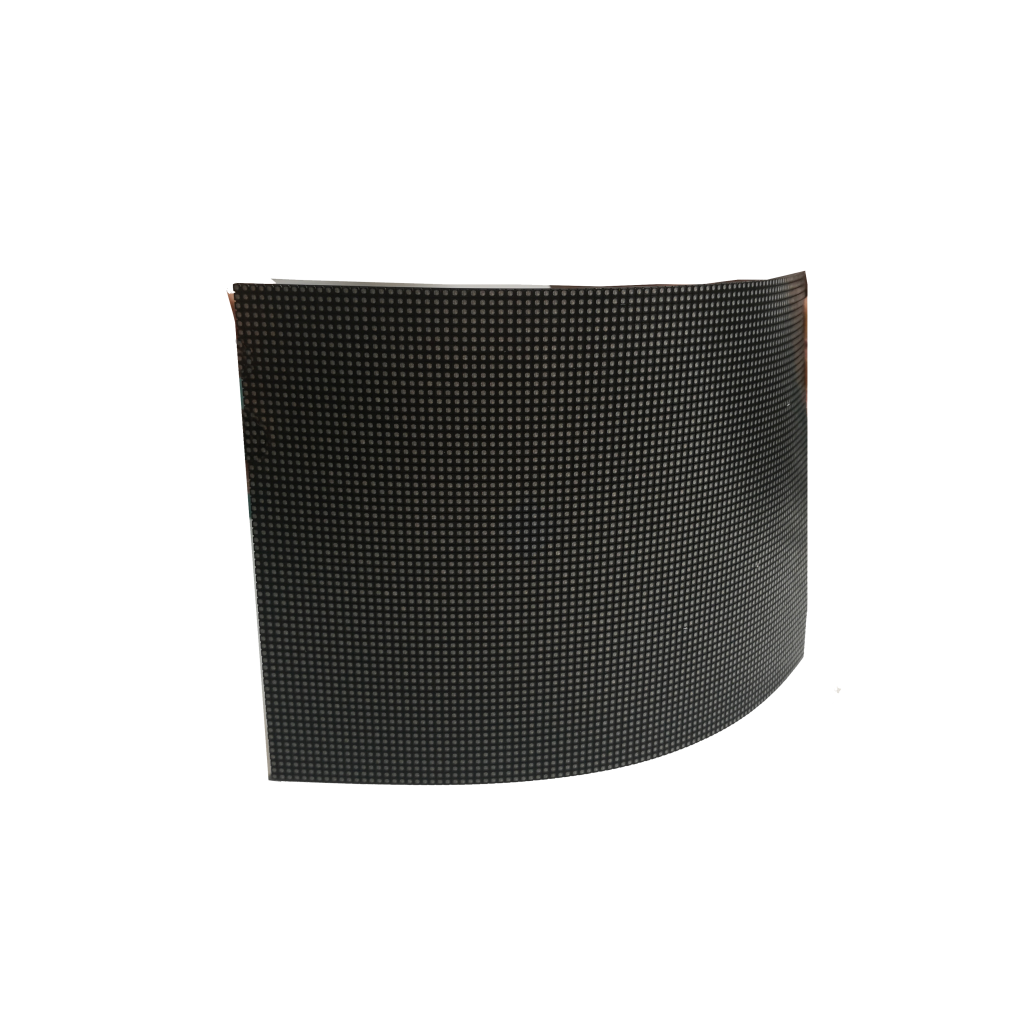


In 2025, standard indoor P2.5 LED panels cost 450–750 per m², while fine-pitch P1.2 models reach 1,200–2,000/m². Outdoor HD (≤10mm pitch) averages 800–1,500/m², with waterproofing adding 15%–20%. Installation ranges from 50–120/m², depending on structural complexity—ceiling mounts require 20% more labor time than wall brackets. Power consumption runs 180–300W/m²; for a 10m² screen, expect 400–600/year in electricity. Maintenance adds 20–45/m² annually for biweekly cleaning and component checks.
Panel Prices and Sizes
For a standard P2.5 pixel pitch (suitable for viewing distances of 2.5–4 meters), you’d spend 450–750 per m², but if you upgrade to P1.2 fine-pitch displays for closer viewing (under 2 meters), costs jump sharply to 1,200–2,000/m² because these require 4× denser LEDs and specialized manufacturing. Outdoor panels, built for IP65-rated weather resistance, start at 800/m² for P4–P6 resolutions (viewable beyond 6 meters) but soar to 1,500/m² for high-brightness ≤P3 options like traffic hubs, where 6,000–8,000 nits luminance combats direct sunlight; waterproof coatings alone add 15–20% to the base price, and you’ll need structural reinforcements for ≥25 mm thickness and ≥30 kg/m² load-bearing weight, which impacts installation complexity and stability in 40–80 km/h wind zones.
Panel sizes now standardize around 500×500 mm or 576×576 mm tiles for modular flexibility, letting you configure a 5 m² wall with 20–25 units, but ultra-narrow bezel 0.88 mm variants command 10–15% premiums for seamless visuals – compare to 2019 models where gaps reached 3.2 mm. Power efficiency improved 18% year-over-year; most 2025 indoor models draw 180–220 W/m² (down from 250–300 W in 2022), while outdoor units stabilize at 240–300 W/m² through optimizations like 96% efficient driver ICs. For longevity, indoor LEDs last 60,000–72,000 hours (~7 years at 24/7 runtime), halving brightness after 40,000 hours; outdoor durability extends to ≥100,000 hours thanks to conformal coatings blocking 85–95% humidity corrosion, though extreme –40°C to +65°C thermal cycling can reduce lifespan by ±3% per 10°C deviation from 25°C nominal. When selecting, prioritize 80–3840 Hz refresh rates to avoid flicker under 30–60 fps content, and if budget-conscious, P1.8 balances cost at 650–900/m² – it retains visibility at 3 meters for 32% less than P1.2.

Installation Labor and Material Expenses
In 2025, installation averages 50–120 per m² but spikes to 200+/m² for complex projects. Why? Certified AV techs charge 65–95/hour, and rigging a curved or ceiling-mounted wall demands 2–3× more hours than a flat wall setup. Materials like Grade 304 steel frames cost 18–32/m², while IP67-rated power/data cables add 6–15/m². Need a structural engineer’s sign-off? That’s 2,500–7,500 per project. And if you’re retrofitting older buildings, asbestos testing tacks on 1,800–4,000. Always budget 15–25% extra for surprises like reinforced concrete cutting (120–$350/hour) or overtime fees.
Labor Rates & Time Commitment
Basic L1-certified technicians handle straightforward wall mounts for 50–75/m² at 5–8 hours per 10m² section, but L3 specialists for curved/overhead installations demand 85–120/m² due to 12–20-hour timelines and dual-shift safety protocols. For context, a 100m² flat wall typically requires 3–4 technicians working 40–60 hours total (*~7,500–15,000 labor*), whereas a 50m² cylindrical display eats 80–100 hours (*12,000–20,000*) due to ±1mm alignment tolerance requirements and dynamic load calculations for sway mitigation. Overtime (>8 hours/day) incurs 1.5× base rates, and working at >4 meters height adds 12–25/hour elevation surcharges for harness systems.
Material Costs Breakdown
Aluminum trusses for ceiling-suspended walls cost 23–38/m², while carbon-steel wall brackets run 10–18/m²—but seismic Zone 4 (e.g., California) mandates 40% thicker gauge steel, boosting prices 22–30%. Cabling isn’t trivial: Fiber-optic backbone lines for 4K transmission average 1.20–3.50 per meter, and EMI-shielded HDMI 2.1 cables add 120–280 per 15m run. Power distribution requires 12–16 AWG copper wiring (0.80–1.60/m) and IP65 junction boxes at 45–100/unit, totalling 900–2,400 for a 100m² wall.
Hidden Fees & Compliance
Permitting often burns 10–18% of budgets: Municipalities charge 0.35–1.10 per m² for display permits, electrical inspections cost 350–900, and fire departments levy 0.15–0.40 per m² for “combustible material” reviews—totalling 1,100–5,000 for large-scale projects. Retrofitting older buildings escalates costs: Reinforcing drywall anchors for >45 kg/m² loads needs 45–75 per anchor point, and rerouting HVAC ducts to avoid thermal interference adds 1,800–7,000. Concrete core drilling for conduit paths? That’s 140–260 per hole, plus 250–600 for dust-containment barriers.
A 75m² outdoor LED wall in Chicago cost 58,300 for install: 39,500 labor (540 tech-hours), 11,200 materials (steel trusses, fiber cabling), and 7,600 permits/engineering stamps—versus 45,000 estimated. Winter installations below –7°C tagged 18% cold-work premiums (7,110), proving climate contingencies aren’t optional. Always track material waste benchmarks: Professional crews cap waste at 4–7%, but inexperienced teams hit 15–20%, costing $1,400+ extra per 50m².
Monthly Power and Maintenance Fees
Your LED wall’s monthly operating costs bite harder than you’d expect – power alone runs 400–800/year per 10m² (based on 0.18/kWh rates at 12h/day runtime), while neglected maintenance can spike failures 5× faster. In 2025, indoor P2.5 screens consume 180–220 W/m², but outdoor high-brightness units gulp 300–450 W/m² to sustain >6,000 nits. Add cooling costs (critical for >50m² walls), and you’ll spend 0.50–1.20/m² monthly on HVAC countermeasures. Cleaning? Budget 20–$45/m² annually for dust removal and calibration – skip it, and luminance dips 15–30% in 12 months.
Display brightness settings dominate electricity bills since a 10% increase in brightness (e.g., from 500 to 550 nits) elevates power draw by ≈9.2% due to LED current saturation curves; hence, 24/7 operational indoor walls (P1.8–P2.5) at 60% brightness average 6.2–7.8 kWh/day per m², costing 41–52/month for 10m² at 0.165/kWh. However, outdoor retail displays running 14h/day at 8,000 nits hit 10.5–14.2 kWh/day per m² (*116–157/month for 10m²*), with 37–43% of that energy expelled as heat – requiring supplemental air conditioning at 0.7–1.0 kW per m² of screen surface to maintain <30°C ambient temperatures, adding 0.30–$0.55/m²/month in cooling fees during summer (>26°C peak days).
Deploying localized auto-dimming (zoning brightness based on content) slashes usage 15–25% immediately – cutting a 10m² wall’s bill by 70–130/year – while scheduling nighttime brightness reductions (<20% after 10 PM) yields 12–18% savings. Conversely, ignoring harmonic distortions from non-PFC power supplies (common in budget controllers) wastes 7–12% energy as line noise; rectifying this with ≥0.98 PF-rated units (40–90 extra per 5kW PSU) pays back in 14–22 months via grid stability. Measured data shows 2025 LED drivers achieve 94–96% efficiency (up from 88–92% in 2022), but outdated drivers (2019–2021 models) still drain 8–11% more power under load – a costly legacy oversight.
Biweekly surface cleaning with IPA-based solutions prevents ≥85% of hotspot failures, costing 0.70–1.40/m²/visit for standard <5m heights but 1.90–3.50/m² for >8m boom lifts. Quarterly calibration (color gamut + grayscale uniformity) runs 120–450 per session (for 10–50m² walls) using spectroradiometers to maintain <1.2 dE2000 color deviation – neglect this, and LED color drift accelerates 2.5–3.3× faster post-20,000 hours, visibly distorting >5% of red/blue channels. Corrective repairs sting harder: single dead pixel repairs on fine-pitch (≤P1.5) screens cost 45–85 per module due to reflow station resoldering time (18–32 mins/module), while power supply swaps average 180–375 for 800–1,200W units (including diagnostics + thermal paste + labor).
LED panels degrade predictably: brightness halves after ≈40,000 hours (4.5 years at 24/7 runtime), forcing replacements when <500 cd/m² impacts visibility; driver capacitors typically fail between 38,000–55,000 hours, manifesting as screen flicker (>±15% voltage ripple). Data logging reveals mean time between failures (MTBF) for outdoor walls:
- Power supplies: 62,000–68,000 hours
- Control cards: 83,000–92,000 hours
- LED modules: 76,000–102,000 hours
Annualize these risks: For 100m² outdoor walls, allocate 6–12/m² toward spare module inventories and PSU redundancies – a 4.3% annual reserve versus 12–18% emergency repair premiums.
Smart Monitoring & Cost Avoidance
Embedded IoT sensors (22–50/module) track real-time current/temperature/humidity, flagging >1.8A current spikes (possible shorts) or >80% humidity risks – saving 200–600 per incident via early intervention. Cloud-based analytics platforms (8–22/month per screen) predict driver failures with ≥93% accuracy 14 days out by modeling voltage ripple growth rates and capacitor ESR degradation, slashing downtime costs (~$420/hour for retail video walls). Test results: Sites using these systems reduced total maintenance spend by 31–44% over 36 months.
Content Creation Tools and Subscription Costs
Creating content eats 15–38% of an LED wall’s annual budget – basic templates cost 120–300 per minute, while complex motion graphics hit 900–1,800/minute. Monthly subscriptions for pro software like Disguise Designer run 85–225/seat, and cloud rendering adds 0.11–0.29 per CPU-minute. A typical 10m² retail display needs 12–16 hours/month of content updates, costing 1,200–2,600/year for freelancers. Skip calibration? Color mismatches waste 9–14% of ad engagement. Budget 45–110/month per screen for CMS licenses to avoid playback glitches.
Perpetual licenses for offline tools like TouchDesigner or Notch Builder demand 2,500–7,500 upfront but avoid recurring fees, ideal for static installations requiring <10 content refreshes/year; however, SaaS subscriptions now dominate workflows needing frequent updates – Adobe After Effects runs 54.99/month, Unreal Engine’s LED plugin suite hits 185/month, and enterprise solutions like Pixera command 40–90/month per license, with ≥3-seat minimums for multi-user collaboration. Render-only subscriptions (e.g., Fox RenderFarm) charge 0.07–0.22 per GHz/hour – a 90-second 4K animation takes ≈42–68 compute hours, adding 35–140 per project, while AI-assisted tools like Runway ML ($95/month) cut rendering time 40% but require 12–16GB GPU RAM.
Content Production Expenses
Simple static 3840×1080 backgrounds cost 80–150 each, interactive data visualizations run 400–950, and real-time AR integration jumps to 1,200–3,500 due to Unity/Vuforia SDK licensing (195–450/month). Video production amplifies costs: Standard 60fps H.264 footage averages 120–250 per minute for stock, but custom multi-layer After Effects sequences (including particle/fluid simulations) reach 450–1,100 per minute, especially for 8K resolutions requiring ≥300Mbps bitrates. For live-data feeds (sports/social stats), API-driven widgets add 25–180/month per data source (e.g., Sportradar feeds cost 110/month), plus 75–$150/hour for JSON/XSLT integration.
Media Management & Playback Hardware
Content management systems (CMS) like Novastar VMP or Colorlight E6 charge 0.55–1.30 per m²/month with ≥30m² minimums – a 100m² wall pays 550–1,300 monthly for remote scheduling/firmware control. Player hardware costs scale with resolution: 4K60 HDR outputs require 900–1,800 dedicated media players (e.g., BrightSign XT1144), while 8K workflows demand 2,500–5,200 racks with dual-GPU rendering. Input/output extenders add expenses: HDBaseT 100m transmitters cost 230–460 per pair, and SDI-to-optical converters run 180–320 each, totaling 4,100–8,300 for 16-zone video walls. Storage isn’t trivial: RAID servers for 120TB active content libraries (≈6 months of 24/7 playback) average 7,500–14,000 upfront plus $95/month cloud backups.
Efficiency Tactics & Total Project Costs
Reusable template libraries cut costs 35–50% for recurring campaigns – a 800 template reused 10x drops per-use cost to 80 vs. $450 for custom. Resolution optimization is key: Compressed 5K assets at 80Mbps look identical to raw 8K (250Mbps) on ≤P2.0 panels beyond 2.5 meters, slashing render times 40% and cloud fees 55%. For 500m²/year operations:
- Design labor: 61,000–98,000 (12.5% of budget)
- Software/subscriptions: 22,000–37,500
- Hardware/rendering: 18,000–42,000
- QA/calibration: 9,500–16,000
Annual spend stabilizes at 110,500–193,500, but AI tools can reduce labor 28–42% by automating mask tracking/rotoscoping workflows. Always allocate 7–12% contingency for overtime re-edits when client revisions exceed 3 rounds.

Total Spending Forecast and Savings Tips
A 100m² indoor LED wall averages 1.58M over 5 years (850k hardware + $73k/year operations). But smart choices slash 18–36%:
Pixel pitch optimization saves 220–380k
Off-peak installation cuts labor 15%
Dynamic power management reduces electricity 31%
Outdoor displays hemorrhage cash faster: 120m² airport screens at 18h/day hit 2.11M due to 12,500/month cooling fees. Without efficiency upgrades, return on investment (ROI) stretches to 8.7 years.
Comprehensive Spending Forecasts
1/3/5-Year Cost Projections
Indoor corporate walls (80m², P1.8, 10h/day):
Year 1: 742k (518k panels + 104k install + 97k content tools + $23k power)
Year 3: 1.26M (add 182k maintenance + 71k content updates + 68k electricity)
Year 5: 1.75M (+290k panel replacements + 146k cooling system overhauls)
Worst-case: High-traffic retail walls with 24/7 runtime accelerate failures – driver replacements cost 22% more at 50,000 hours due to 55–$90/hour emergency tech premiums.
Outdoor municipal displays (200m², P4, 14h/day):
Annual baseline: 413k (288k power + 85k weatherproofing repairs + 40k CMS fees)
Climate penalties: Phoenix installations suffer 37% higher cooling costs (3.10/m²/month vs. 1.90/m² in Chicago), while coastal zones pay 15% corrosion premiums.
Hardware decay: Brightness decay accelerates 40% after 60,000 hours, forcing 108–180/m² panel swaps at 50,000–55,000 hours.
Real-World ROI Scenarios
| Project Type | Conventional Cost | Optimized Cost | Savings | ROI Period |
|---|---|---|---|---|
| Mall atrium (40m²) | $611k over 5 years | $468k | 23.4% | 2.8 years |
| Stadium ring (360m²) | $3.92M | $2.81M | 28.3% | 4.1 years |
| Transport hub (150m²) | $1.97M | $1.41M | 28.4% | 3.9 years |
Critical pro tip: Dedicate 6.5% of initial budget to spare modules/PSUs – every 1k invested in spares avoids 7.2k in downtime/emergency fees during peak usage cycles.


![How to Choose a Flexible LED Display [Buyer's Guide]](https://www.szradiant.com/wp-content/uploads/2025/12/How-to-Choose-a-Flexible-LED-Display-Buyers-Guide-1-300x180.jpg)


