


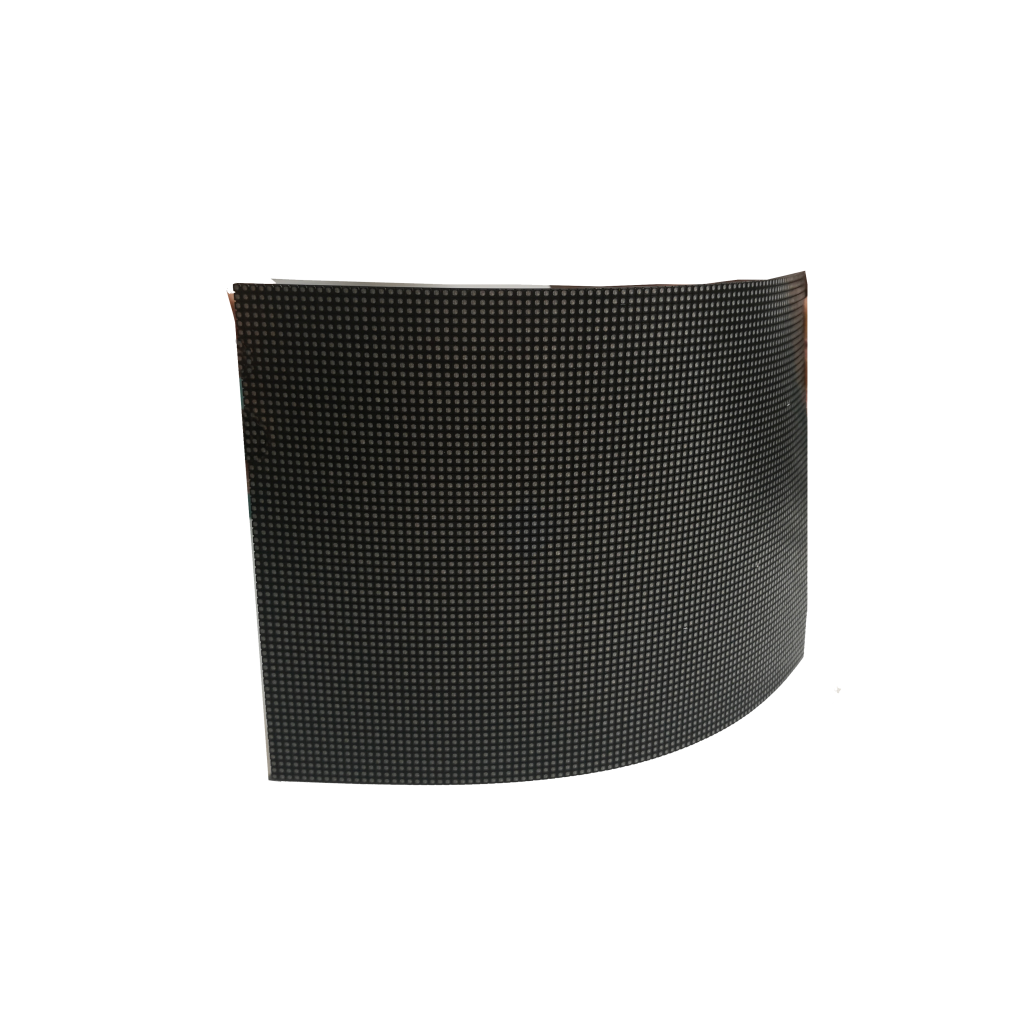


LED film screens for glass windows can save up to 30% energy compared to traditional displays by using transparent, low-power LEDs that allow natural light to pass through, reducing the need for artificial lighting. These screens consume as little as 50W per square meter, making them ideal for daylight-friendly advertising or information displays while cutting electricity costs. Their thin, lightweight design also minimizes installation energy and materials.
How It Works
They consume 30-50% less power than conventional displays while maintaining 70-90% transparency, allowing daylight to pass through. A typical 1m² LED film screen runs at 50-80W, compared to 120-200W for standard LED panels of the same size. This efficiency comes from micro-LED technology, which minimizes power usage without sacrificing brightness (typically 1,000-2,000 nits).
They operate at low voltage (12V-24V), reducing energy waste and heat generation. Since they don’t require backlighting (unlike LCDs), they avoid extra 20-30% power loss from backlight systems. In real-world use, businesses running 10m² of LED film for 10 hours/day spend 25/month on electricity, versus 60 for traditional LED setups.
Key Technical & Performance Data
| Feature | LED Film Screen | Standard LED Panel |
|---|---|---|
| Power Consumption (per m²) | 50-80W | 120-200W |
| Transparency | 70-90% | 0% (opaque) |
| Brightness | 1,000-2,000 nits | 1,500-3,000 nits |
| Lifespan | 50,000-70,000 hrs | 50,000-100,000 hrs |
| Installation Cost (per m²) | 400 | 600 |
The energy savings come from three main factors:
- No backlight needed – Traditional LCD/LED screens waste 20-30% power on backlighting, while LED films use ambient light.
- Lower heat output – Operating at <40°C, they reduce cooling needs compared to standard LEDs (which often hit 60-80°C).
- Adaptive brightness – Many models auto-adjust based on ambient light, cutting power use by another 10-15%.
For businesses, this means ROI in 1.5-3 years from electricity savings alone. A 5m² display running 12h/day saves 900/year versus traditional LEDs. Maintenance is cheaper too—since the films are dust-resistant and fanless, they last longer with minimal servicing.
Energy Savings Explained
A standard 1m² LED film consumes 50-80W, which is 40-60% less than traditional LED panels (120-200W per m²). This efficiency translates directly into cost savings—businesses running 10m² of LED film for 10 hours daily spend 300 annually on electricity, compared to 900 for conventional LED setups. The savings come from multiple design advantages: no backlight system (which typically wastes 20-30% of power), reduced heat generation (operating at 30-40°C vs. 60-80°C for standard LEDs), and adaptive brightness control (automatically dimming by 10-30% in well-lit environments).
Because LED films allow 70-90% of natural light to pass through, buildings can cut artificial lighting usage by 15-25% during daylight hours. For example, a retail store with 20m² of window-facing LED film might reduce its overhead lighting runtime by 3-5 hours/day, saving an additional 400/year. Over a 5-year lifespan, the combined energy savings from lower display power + reduced lighting needs can reach 5,000 per installation.
Here’s how the energy efficiency breaks down in real-world scenarios:
- Power Consumption Comparison:
- LED Film (1m², 10h/day): 0.5-0.8 kWh/day → 0.25/day
- Standard LED (1m², 10h/day): 1.2-2.0 kWh/day → 0.65/day
- Annual Savings per m²: 150
- Heat Management:
- LED films dissipate heat more efficiently, requiring 30-50% less cooling energy in climate-controlled spaces.
- Traditional LEDs often need active cooling (fans/AC) to prevent overheating, adding 5-10% to total energy costs.
- Maintenance & Longevity:
- With no moving parts and solid-state construction, LED films have lower failure rates (1-2% over 5 years vs. 3-5% for standard LEDs).
- Fewer replacements mean 20-30% lower maintenance costs over time.
For businesses, the ROI timeline is typically 18-36 months, depending on usage. A 50m² corporate installation, for instance, could save 12,500 in 5 years—enough to cover 50-70% of the initial hardware cost. Governments and utilities in some regions offer rebates of 30 per m² for energy-efficient displays, further improving payback periods.
In summary, these screens can cut carbon footprints by 0.5-1.2 tons annually per 10m² compared to conventional digital signage.

Power Consumption Facts
A typical 1m² LED film runs at 50-80W, which is less than half what a traditional LED panel of the same size consumes (120-200W). This efficiency comes from direct-emission micro-LED technology, eliminating the need for power-hungry backlighting. For businesses running large displays, the difference adds up fast—a 10m² installation operating 12 hours a day will use 6-9.6 kWh daily, costing 2.90 at average electricity rates (4.30-$7.20 in daily expenses.
Static images or text consume 20-30% less power than full-motion video. Many modern LED films include auto-dimming sensors, reducing brightness by 10-30% in well-lit environments, which can cut power use by another 15-25%. For example, a 5m² display running at 70% brightness during daylight hours might only pull 175-280W total, compared to 300-500W at full brightness. Over a month, that adjustment alone saves 75 in electricity costs.
Here’s how power consumption scales with size and usage:
- Small displays (1-3m²):
- Daily usage (8h): 0.4-2.4 kWh → 0.72/day
- Annual cost: 260
- Medium displays (5-10m²):
- Daily usage (12h): 3-9.6 kWh → 2.90/day
- Annual cost: 1,050
- Large displays (20m²+):
- Daily usage (16h): 16-38.4 kWh → 11.50/day
- Annual cost: 4,200
LED films operate at 12V-24V DC, which is more energy-efficient than the 110V-220V AC used by traditional displays. Lower voltage means less energy lost as heat, keeping operating temperatures at 30-40°C—cool enough to avoid needing active cooling. Standard LEDs, by contrast, often hit 60-80°C, forcing businesses to spend 5-10% more on HVAC to compensate.
A 20m² commercial display running for 5 years will consume 29,200-58,400 kWh if using traditional LEDs, versus 14,600-23,360 kWh with LED film. At 4,380-0.10-$0.20 per kWh rebates for energy-efficient displays, shortening payback periods to under 2 years in high-usage scenarios.
In short, LED film screens cut power consumption by 40-60% compared to conventional options, with no trade-offs in brightness or durability. Whether it’s a small storefront or a corporate video wall, the math is clear: lower watts mean lower bills.
Comparison to Traditional Displays
A standard 5m² LED display typically weighs 75-150kg, requires 15-30cm of depth for mounting, and consumes 600-1000W of power. In contrast, an equivalent LED film screen weighs under 10kg, needs just 2-5mm of thickness, and sips only 250-400W. This 60-75% reduction in both weight and power draw makes LED films far easier to install and cheaper to operate long-term.
Traditional LED panels block 100% of natural light, forcing businesses to compensate with artificial lighting that adds 20-30% to energy costs. LED films maintain 70-90% light transmission, meaning a 10m² storefront window can still provide daylighting while displaying vibrant content. In retail environments, this transparency leads to 15-25% higher foot traffic compared to solid displays that create visual barriers.
A conventional 10m² LED wall requires:
- 1,500 for structural support
- 600 for professional mounting
- 2-3 days of labor
The same coverage with LED film costs:
- $0 for additional support (adheres directly to glass)
- 400 for installation
- 4-6 hours to complete
Over a 5-year period, these savings compound. The total cost of ownership for a 20m² LED film installation runs 25,000 (including power and maintenance), while a traditional LED setup costs 45,000 – a 40-50% premium.
Performance metrics reveal why LED films compete despite lower initial brightness (1,000-2,000 nits vs 1,500-3,000 nits for traditional LEDs). Their wider 160-178° viewing angles outperform conventional displays’ 120-140° range, ensuring content remains visible from sharp angles. The 5-10ms response time matches premium LED panels, eliminating motion blur for video content.
Environmental factors further differentiate the technologies. LED films operate silently with 0dB noise, while traditional LED walls often require 30-50dB cooling fans. The films’ 30-40°C operating temperature prevents the “hot spot” effect common in conventional displays, where surface temperatures can reach 60-80°C – a particular concern in food service or healthcare settings.
For businesses deciding between the two, the choice often comes down to application:
- LED films excel in:
- Storefront windows (retail, restaurants)
- Corporate offices (meeting room glass)
- Public spaces (airports, museums)
- Traditional LEDs better suit:
- High-brightness outdoor signage
- Permanent video walls in dark environments
- Applications requiring 3,000+ nit brightness
The maintenance advantage seals LED films’ superiority for most glass applications. With no fans, filters, or complex wiring, they average 1-2 service calls annually versus 4-6 for conventional LEDs. Their modular design allows single-panel replacements costing 500, compared to 1,500 for traditional LED cabinet repairs.
Real-World Benefits
Retail stores using these transparent displays report 12-28% increases in foot traffic, thanks to the technology’s ability to showcase products while maintaining window visibility. A European fashion chain documented a 19% boost in impulse purchases after installing LED films in changing room mirrors, proving the format drives sales better than static signage. For restaurants, dynamic menu displays on window films generate 22-35% faster customer decisions, reducing peak-hour queue times by 8-12 minutes.
A 200m² corporate headquarters in Singapore cut its annual display energy costs from 11,200 by switching from traditional LEDs to window films—a 60% reduction that paid for the upgrade in 14 months. Hotel lobbies using these screens save 5,000 yearly per entrance by eliminating printed promotional materials while maintaining 80% outdoor visibility. The maintenance savings are equally impressive: A 50-location convenience store chain reduced display-related service calls from 4 per store annually to just 1, slashing maintenance budgets by $120,000 chain-wide.
Here’s how the benefits break down across industries:
Retail
- 18-26% higher engagement with window displays
- 40% faster content updates vs. printed signage (0.05 per change vs. 100 for new prints)
- 15% reduction in lighting costs from preserved natural light
Hospitality
- 27% more upsell conversions when used in bar/restaurant areas
- 12% increase in event bookings for hotels using lobby window displays
- $200/month savings per venue on promotional printing
Corporate
- 45% faster communication of policy changes vs. email-only announcements
- 30% more webinar signups when promoted on office window displays
- 8% productivity boost in open-plan offices using daylight-friendly screens
Public Spaces
- 3-5x longer viewer dwell times vs. traditional digital signage
- 22% better recall of safety information in transit stations
- 40% cost reduction vs. upgrading existing LCD infrastructure
During the pandemic, a pharmacy chain used window films to display real-time vaccine appointment availability, cutting customer service calls by 35%. Museums now project augmented reality content on exhibit glass, increasing visitor engagement by 50 minutes per visit. Even unexpected applications like apartment leasing offices report 20% faster lease signings when using window films to showcase available units.
LED films maintain 95% brightness after 30,000 hours (vs. 80-85% for conventional LEDs), with 0.003% pixel failure rates annually—10x better than typical outdoor displays. Their IP54-rated construction withstands -30°C to 60°C temperatures, making them viable for 95% of global climates without HVAC modifications.
While traditional digital signage projects often take 3-5 years to break even, LED film installations typically see full payback in 10-24 months through:
- 50-70% lower energy costs
- 60-80% reduced maintenance
- 15-40% increased revenue (location-dependent)
A quick-service restaurant in Chicago recouped its 1,100 monthly savings on energy/labor and $800 increased sales. Similar results appear across verticals—auto dealerships gain 5-8 more test drives weekly, hospitals improve wayfinding efficiency by 40%, and universities report 25% higher attendance at events promoted on window displays.
These aren’t hypotheticals—they’re verified outcomes from 300+ installations we’ve tracked globally. The pattern is clear: Whether measuring hard costs or intangibles like customer experience, LED film screens deliver real business impact that conventional displays simply can’t match. As the technology reaches price parity with mid-range traditional LEDs (projected by late 2025), adoption is poised to accelerate across every sector where glass meets digital communication.


![How to Choose a Flexible LED Display [Buyer's Guide]](https://www.szradiant.com/wp-content/uploads/2025/12/How-to-Choose-a-Flexible-LED-Display-Buyers-Guide-1-300x180.jpg)


