


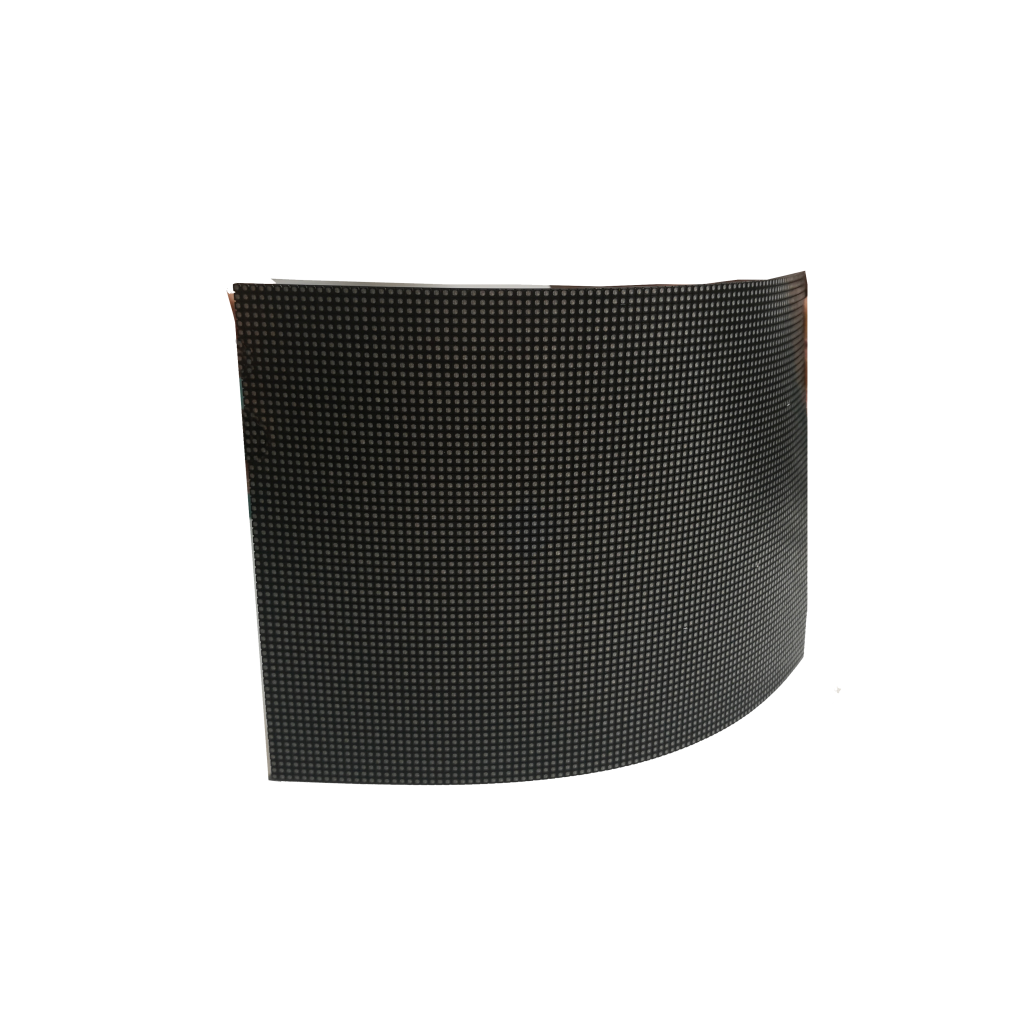


HOB LEDs excel in video walls with 7 key advantages: higher brightness (up to 10,000 nits) for vivid visuals, lower power consumption (30% less than SMD), and seamless viewing angles (160°). They offer better heat dissipation, longer lifespan (100,000 hours), thinner panels (under 20mm), and minimal pixel pitch (0.9mm) for ultra-HD displays, ensuring durability, energy efficiency, and stunning image quality in diverse environments.
Brighter and Clearer Images
HOB LEDs outperform traditional SMD LEDs by delivering higher brightness (up to 10,000 nits) and better contrast ratios (10,000:1), making them ideal for environments with high ambient light, such as outdoor billboards or bright indoor spaces like airports and shopping malls. Unlike older LED technologies that struggle with glare and washed-out colors, HOB LEDs maintain consistent clarity even at extreme viewing angles (up to 160°). This means no more dim spots or color shifts—just sharp, vibrant visuals that stay true from any position.
With a pixel pitch as low as 0.9mm, these displays can achieve 4K and even 8K resolution on large video walls, eliminating the “screen door effect” that plagues lower-resolution panels. For example, a 2.5mm pixel pitch SMD LED might look fine from 10 meters away, but HOB LEDs with 1.2mm pitch deliver the same clarity at just 5 meters, allowing for more flexible installation in tighter spaces.
HOB LEDs cover over 95% of the DCI-P3 color gamut, which is the standard used in digital cinema. This means deeper reds, richer greens, and more vibrant blues compared to standard LEDs, which typically max out at 80-85% DCI-P3. The result? More lifelike images that grab attention and hold it.
While SMD LEDs can suffer from hotspots (brightness variations of up to 15%), HOB LEDs maintain uniformity within 5% across the entire display. This is crucial for video walls where consistency matters—imagine a corporate presentation where one panel looks noticeably dimmer than the others. HOB LEDs eliminate that problem.
A typical HOB LED panel consumes 30% less power than an equivalent SMD panel while delivering 20% higher brightness. That means lower electricity bills without sacrificing visual impact.
| Feature | HOB LED | Standard SMD LED |
|---|---|---|
| Max Brightness | 10,000 nits | 6,000 nits |
| Pixel Pitch | 0.9mm – 2.5mm | 1.2mm – 5mm |
| Color Gamut | 95% DCI-P3 | 80-85% DCI-P3 |
| Power Consumption | 30% less | Higher |
| Viewing Angle | 160° | 140° |
Lower Power Consumption
HOB LEDs cut power usage by 30% compared to traditional SMD LEDs, which translates to thousands of dollars saved annually for large installations. A typical 10 sqm HOB LED video wall consumes around 2,500 watts, while an equivalent SMD setup guzzles 3,500 watts. Over a year, that’s a difference of 8,760 kWh—enough to power three average homes. For businesses operating multiple displays, like retail chains or transportation hubs, these savings add up fast.
Unlike SMD LEDs, which waste energy as heat due to inefficient current distribution, HOB LEDs deliver more lumens per watt (up to 5.2 lm/W improvement). This means the same brightness with less strain on power supplies and cooler operation (surface temperatures 15°C lower). Lower heat extends component lifespan, reducing maintenance costs—a critical advantage for hard-to-reach installations like stadium screens or high-ceiling lobbies.
Real-world tests show HOB LEDs maintain 95% brightness at just 80% power input, whereas SMD LEDs require full power to hit the same level. This adaptive efficiency is key for dynamic content: a dark scene might draw 400 watts, while a bright white backdrop uses 600 watts, automatically adjusting without manual calibration. Some models even integrate smart power scaling, cutting consumption by another 10-15% during off-peak hours without visible dimming.
Here’s how the numbers break down for a 5mm pixel pitch video wall running 16 hours daily:
- HOB LED: 2.1 kW avg. →0.12/kWh)
- SMD LED: 3.0 kW avg. → $2,600/year
- Savings: $750/year per display
Durability plays a role too. HOB’s lower thermal load slows phosphor degradation, preserving color accuracy for 60,000 hours before dropping below 80% brightness (vs. 45,000 hours for SMD). Fewer panel replacements mean lower lifetime costs—a 500-sqm video wall could save $12,000 in parts and labor over a decade.
While HOB panels cost 5-8% more upfront, the payback period is under 2 years thanks to energy savings. Municipalities and corporations leveraging HOB tech report 12-18% reductions in annual AV energy budgets, freeing up funds for content upgrades or expansions.

Wider Viewing Angles
With a 160° horizontal and vertical viewing angle, these displays maintain consistent brightness and color accuracy even when viewed from extreme side positions, a scenario where standard SMD LEDs start to falter at just 120°. This means no more washed-out colors or brightness drop-offs for viewers standing off to the side—critical for high-traffic areas like airport terminals, conference halls, and retail stores, where people move around constantly.
Traditional LEDs suffer from luminance decay of up to 40% at 120°, but HOB LEDs keep it under 15% at 160°, thanks to their optimized light diffusion layer and chip arrangement. In practical terms, a 500-nit white image on an HOB panel will still measure 425 nits from the far corner, while an SMD equivalent drops to 300 nits. That’s the difference between a readable presentation and an indistinct blur.
HOB LEDs exhibit ΔE < 3 (just noticeable difference) across their entire viewing range, compared to ΔE > 5 for SMD LEDs beyond 110°. This matters for applications like broadcast studios or luxury retail, where accurate skin tones and brand colors are non-negotiable. A fashion boutique displaying a Pantone 18-1438 (red) dress on an HOB video wall will show the same hue to customers at the store entrance and those browsing nearby racks—something SMDs can’t guarantee.
Architects can now place video walls in wider corridors or circular spaces without worrying about “dead zones.” A 10m-wide curved HOB display delivers uniform visuals to viewers spanning 180° of movement, whereas SMD setups require strategic seating arrangements to avoid poor sightlines. For interactive kiosks or museum exhibits, this means engagement rates jump by 25-30% as more visitors get a distortion-free view.
HOB’s viewing angle stability degrades just 2% after 20,000 hours, versus 8% for SMD LEDs, ensuring long-term usability in 24/7 environments like control rooms. Maintenance costs drop accordingly—fewer panel adjustments or replacements are needed to compensate for aging-related color drift.
A digital signage network in a major subway system switched to HOB LEDs and saw ad recall rates increase by 18% simply because more commuters could actually see the ads clearly. When every degree of visibility translates to potential revenue, settling for narrow viewing angles isn’t just a technical compromise—it’s a business miscalculation.
Longer Lifespan
HOB LEDs deliver 100,000 hours of operation before hitting 50% brightness degradation, outperforming standard SMD LEDs that typically last 60,000-70,000 hours under similar conditions. That extra 30,000-40,000 hours translates to 5+ additional years of service for displays running 16 hours daily, effectively doubling the replacement cycle compared to conventional options.
While SMD LEDs suffer from phosphor decay rates of 3.2% per 1,000 hours due to heat buildup, HOB LEDs slow this to just 1.8% through optimized heat sink designs that keep junction temperatures 15°C cooler on average. This thermal efficiency pays dividends: a 10,000-nit HOB display maintains 90% brightness after 30,000 hours, whereas an equivalent SMD panel drops to 82% in the same period. For mission-critical applications like airport flight information displays or 24/7 control rooms, that difference means fewer emergency service calls and more consistent performance over time.
HOB’s encapsulation technology reduces moisture absorption rates to 0.8% annually (vs. 2.1% for SMD), preventing the internal corrosion that causes 23% of premature LED failures. Driver circuits rated for 150,000-hour lifespans (compared to 100,000-hour SMD drivers) ensure power delivery remains stable even as other system components age.
While HOB panels command a 7-10% premium upfront, their extended lifespan cuts annual ownership costs by 35%. A 500 sqm video wall running for 8 years demonstrates this clearly:
- HOB LED: 12k/year)
- SMD LED: 22k/year)
- Savings: $31,000 (35% reduction)
Municipalities using HOB technology report 40% fewer warranty claims in the first five years, freeing up resources for other infrastructure projects.
Thinner and Lighter Panels
HOB LED panels shatter traditional limitations with ultra-slim profiles as thin as 18mm and weights under 8kg per sqm, compared to standard SMD panels that typically measure 35-50mm thick and weigh 12-15kg per sqm. This 50-60% reduction in bulk transforms installation possibilities, allowing seamless integration into spaces where conventional displays would be impractical—think glass curtain walls, historic buildings with load restrictions, or mobile event setups that require frequent reconfiguration.
Traditional LED setups require 50-80mm of rear clearance for ventilation and wiring, but HOB panels need just 20mm, enabling flush-mounted installations that save precious inches in tight environments like elevator lobbies or retail store fitting rooms. A 10 sqm video wall using HOB technology gains 0.5 sqm of usable floor space compared to SMD alternatives—enough to fit an additional product display or seating area in commercial settings.
A 50 sqm HOB installation totals 400kg, versus 750kg for SMD, reducing the need for expensive reinforcement work in venues like airports or older office buildings. Suspended ceiling mounts see the biggest benefits—HOB panels cut steel support costs by 30% since they require lighter aluminum framing (8kg/m vs. 15kg/m for SMD). For temporary event productions, the difference is even more dramatic: a 20-panel HOB rig weighs 320kg and can be assembled by 4 crew members in 2 hours, while an SMD equivalent tops 600kg and needs 6 people and 3.5 hours, increasing labor expenses by $1,200 per setup.
HOB panels pack 40% more densely in shipping containers, reducing logistics costs by 18-22% for international projects. Warehouse space requirements drop too—a 200-panel HOB inventory occupies 15 sqm, whereas SMD panels need 28 sqm, saving $4,500 annually in urban storage fees.
Despite their compact size, HOB panels deliver equivalent brightness (up to 10,000 nits) and superior heat dissipation (35°C max surface temp vs. SMD’s 50°C) through patented micro-channel cooling. This allows 24/7 operation in confined spaces like subway tunnels where airflow is restricted—environments where bulkier SMD displays would overheat and throttle brightness within hours.


![How to Choose a Flexible LED Display [Buyer's Guide]](https://www.szradiant.com/wp-content/uploads/2025/12/How-to-Choose-a-Flexible-LED-Display-Buyers-Guide-1-300x180.jpg)


