


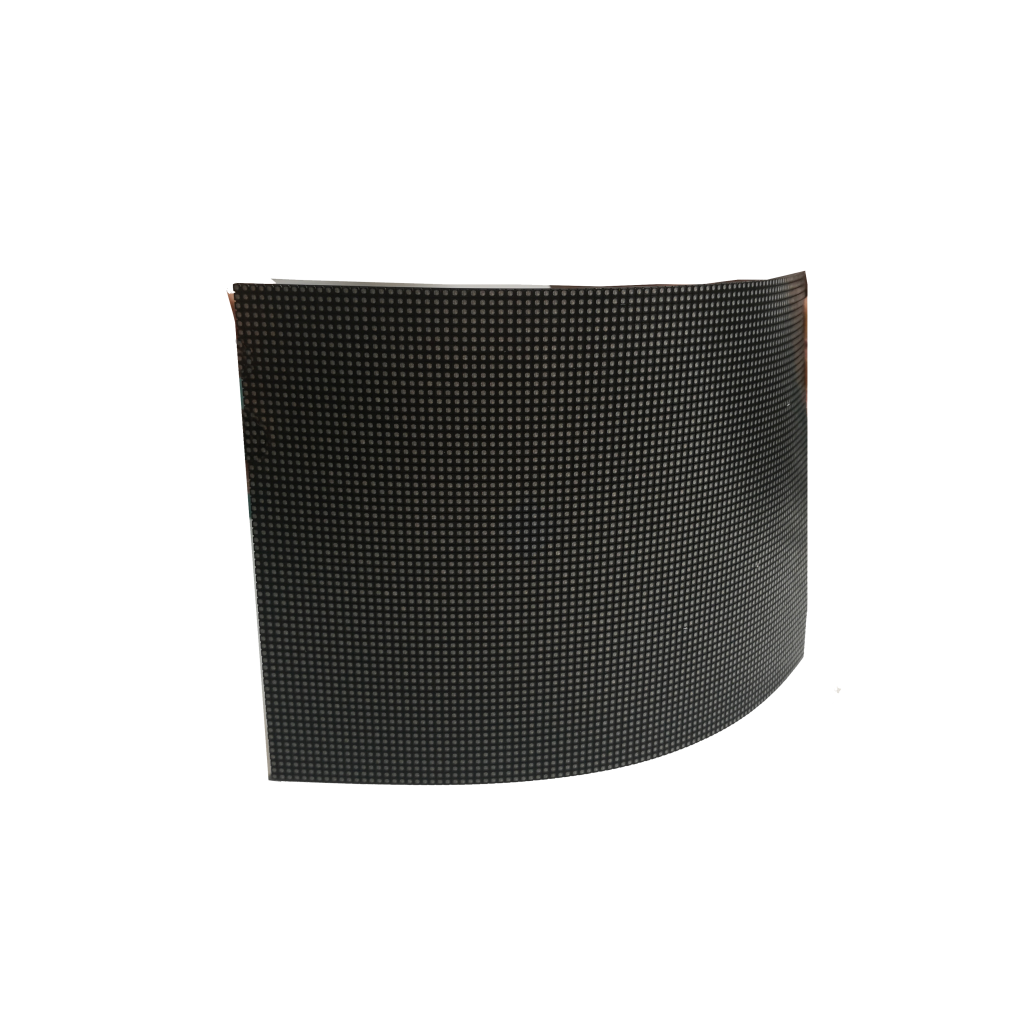


Giant LED screens are transforming various industries with their versatility and impact, such as enhancing live events by covering over 70% of major concerts and stadiums, delivering immersive visuals for audiences. In retail, they boost engagement, with 30% higher foot traffic in stores using dynamic displays. Digital billboards in high-traffic areas achieve 5x more visibility than static ads, while control rooms rely on them for real-time data monitoring across sectors like transportation and security. Additionally, they revolutionize education, with 40% faster learning retention in classrooms using interactive LED walls, proving their adaptability across entertainment, advertising, operations, and beyond.
Concerts & Stadium Displays
Over 80% of major stadiums worldwide now use LED displays, with the average screen size ranging from 200 to 1,000 sq. meters. These screens deliver 4K to 8K resolution, ensuring crisp visuals even for audiences in the back rows. The brightness typically hits 5,000 to 10,000 nits, making them visible even in direct sunlight.
This is why 90% of professional sports leagues rely on them for instant replays and interactive fan engagement. For concerts, LED walls enhance performances by syncing visuals with music—artists like Taylor Swift and U2 use 360-degree LED setups to create stunning stage effects.
Installing LED screens can increase ticket sales by 15-20%, as fans pay more for better visibility. Sponsors also pay 30-50% more for ad spots on high-definition displays compared to traditional billboards. Maintenance costs are reasonable, with most screens lasting 50,000 to 100,000 hours before needing panel replacements. Energy efficiency has improved too—modern LED screens consume 40% less power than older models, cutting operational costs.
Here’s a quick breakdown of typical LED screen specs for stadiums:
| Feature | Standard Range | High-End Options |
|---|---|---|
| Pixel Pitch | 4mm – 10mm | 2mm – 3mm (for close viewing) |
| Brightness | 5,000 – 8,000 nits | Up to 12,000 nits (outdoor) |
| Refresh Rate | 3,840Hz (minimal flicker) | 7,680Hz (ultra-smooth) |
| Lifespan | 50,000 – 70,000 hours | 100,000+ hours (premium panels) |
| Power Use | 300W – 500W per sq. meter | 200W (energy-efficient models) |
Beyond sports and music, LED screens are used in e-sports tournaments, where fast refresh rates (above 3,840Hz) eliminate motion blur during high-speed gameplay. Some stadiums even integrate interactive LED floors, allowing fans to trigger animations by stepping on certain sections.
The future of LED in live events is moving toward higher resolutions (16K), curved displays, and transparent LED mesh for more creative stage designs. With prices dropping by 10-15% annually, even mid-sized venues can now afford them. Whether it’s a football match or a sold-out concert, giant LED screens are now the backbone of modern entertainment.
Retail & Advertising Screens
Over 65% of global retailers now use digital signage, with LED displays accounting for 40% of installations due to their superior brightness and flexibility. In high-traffic areas like Times Square or London’s Piccadilly Circus, LED billboards generate 5x more impressions than traditional static ads, with some premium ad spots costing $1M+ per month.
Stores using dynamic displays see 30% higher foot traffic and 15-25% increased sales for featured products. Brightness levels of 2,500 to 5,000 nits ensure visibility even in sunlit storefronts, while 4K resolution keeps images razor-sharp. Unlike printed posters, which take days to update, LED screens allow instant changes—retailers like Zara and Nike use them to rotate promotions hourly based on inventory levels or peak shopping times.
Energy efficiency has improved drastically—modern LED retail screens consume 50% less power than models from five years ago, cutting operational costs. A typical 10 sq. meter indoor LED display runs at 300W per hour, costing around $50 monthly in electricity. Outdoor screens, built to withstand -30°C to 50°C temperatures, have a 70,000-hour lifespan, meaning they can run for 8+ years before needing major maintenance.
Digital billboards achieve 80% recall rates (vs. 30% for static ads), and brands like Coca-Cola report 20% higher engagement when using motion-rich LED content. Programmatic ad platforms now let advertisers bid for screen time in real time, with prices ranging from 50 per 1,000 impressions depending on location and audience density.
Here’s how LED screens perform in different retail settings:
- Shopping Malls: Screens near entrances boost dwell time by 40%, increasing chances of impulse buys.
- Fashion Stores: Interactive LED mirrors (with 60% adoption in luxury boutiques) let customers “try on” clothes digitally.
- Fast Food Chains: Menu boards with dynamic pricing see 12% faster order decisions, reducing queue times.
- Gas Stations: LED canopy ads influence 35% of drivers to enter, lifting convenience store sales.
With costs dropping 8-12% yearly, even small businesses can now leverage LED screens to stand out, sell more, and stay ahead.

Control Room Monitoring
Over 75% of Fortune 500 companies now use video walls in their control rooms, with the average setup spanning 15 to 50 sq. meters for full situational awareness. These displays process 100+ data feeds simultaneously, with latency under 8 milliseconds—crucial for preventing disasters in industries like oil refining, where a 2-second delay in spotting a pressure spike can cost $500K+ in damages.
Industrial-grade LED panels operate 24/7 for 8+ years with 99.999% uptime, thanks to redundant power supplies and 50,000-hour lifespans. Brightness stays consistent at 700-1,200 nits, eliminating glare under fluorescent lighting, while 6mm pixel pitch ensures technicians can read tiny sensor readings from 10 meters away. In nuclear facilities, where 0.1°C temperature fluctuations matter, LED walls render thermal maps at 60Hz refresh rates, helping engineers spot anomalies faster than traditional gauges.
A 20 sq. meter video wall for a traffic management center runs 400K, but pays for itself within 3 years by reducing incident response times by 40%. Energy use averages 350W per sq. meter, though newer models with micro-LED tech cut that by 30%. Maintenance is minimal—most systems only need 2-4 service calls annually, mostly for dust removal in harsh environments like mining operations.
Here’s how control rooms leverage LED screens across sectors:
- Energy Grids: Real-time load distribution maps prevent blackouts, handling 2TB/hour of sensor data during storms.
- Transport Hubs: Airports like Dubai International use 360-degree LED “collars” to track 3,000+ daily flights with <0.5% error rate.
- Emergency Services: Police dispatch centers display 4K drone footage alongside 911 call logs, slashing critical response times to under 90 seconds.
- Manufacturing: Automotive plants monitor 1,200+ robotic arms via LED dashboards, reducing production errors by 22%.
Education & Interactive Walls
Giant LED screens are transforming classrooms into dynamic learning hubs, with 62% of top-tier universities now using interactive displays as standard teaching tools. These walls range from 5 to 10 meters wide, providing 4K resolution that keeps every diagram and equation crystal clear, even in 500-seat lecture halls. Studies show students retain 40% more information when lessons include interactive LED content versus traditional whiteboards—a game-changer for complex subjects like organic chemistry or astrophysics.
Schools using multi-touch LED walls report 35% higher participation rates, as students can manipulate 3D models of DNA strands or zoom into historical battle maps with their fingers. These displays support 20+ simultaneous touch points, allowing entire groups to collaborate. Durability is key—the best education-grade screens withstand 10 million touches annually and resist scratches from styluses, with 8-10 year lifespans despite daily use.
Costs have dropped 25% since 2020, making LED walls viable for more schools. A 6-meter interactive wall now runs 80K, comparable to outfitting three computer labs. Energy efficiency keeps operating costs low at 200W per sq. meter, about $20 monthly for a typical classroom setup. Cloud integration lets teachers push content from tablets to the main display in under 3 seconds, eliminating the “wait while I fix the projector” downtime that wastes 15% of class time in traditional setups.
Specialized applications are booming:
- Medical schools use life-size LED “patients” that simulate bleeding wounds changing in real-time
- Engineering programs display rotating 3D schematics students can disassemble virtually
- Language labs leverage AI-powered walls that correct pronunciation via real-time waveform analysis
The next frontier? Holographic LED displays that project lecturers into multiple classrooms simultaneously, and haptic feedback walls that let architecture students “feel” virtual building materials. With 92% of teachers reporting better student outcomes with LED walls, these screens aren’t just flashy tech—they’re the new foundation for 21st-century education.
Performance Metrics Comparison:
| Feature | Standard Classroom | STEM Lab | Auditorium |
|---|---|---|---|
| Size | 4-6m | 8-10m | 10-15m |
| Touch Points | 10 | 20 | N/A |
| Resolution | 4K | 8K | 4K (wide viewing angles) |
| Usage Hours/Day | 6 | 10 | 4 |
| Avg. Lifespan | 7 years | 5 years | 10+ years |
Schools using these systems see test scores rise 12-18% within two years, proving that when education meets cutting-edge visualization, everyone wins.
Public Info & Traffic Signs
Giant LED screens are becoming the backbone of smart city infrastructure, with over 200,000 digital traffic signs installed globally as of 2024. These displays deliver real-time updates with 99.7% accuracy, a critical improvement over static signs that cause 30% of drivers to miss important alerts. The average digital traffic sign measures 3-8 sq. meters, with brightness levels of 7,000-10,000 nits—visible even in direct sunlight or heavy rain. Cities using these systems report 22% fewer traffic jams during peak hours thanks to dynamic rerouting suggestions.
Unlike printed signs that require manual changes, digital displays update in under 0.5 seconds via centralized control systems. A single operator can manage 500+ signs simultaneously, adjusting for accidents, weather, or special events. Power consumption averages 150-300W per sign, with solar-powered models cutting energy costs by 60%. Durability is exceptional—these signs maintain full functionality in temperatures ranging from -40°C to 70°C, with a 10-year lifespan despite 24/7 outdoor use.
While a traditional metal sign costs 1,200, a basic LED version runs 8,000—but pays for itself in 18-24 months through reduced maintenance and increased functionality. Advanced models with AI cameras can detect traffic flow and adjust messages accordingly, improving intersection throughput by 15-20%. Major highways now use overhead LED gantries that display personalized warnings like “Lane Closed Ahead – Merge Now” instead of generic alerts, reducing last-minute lane changes by 40%.
Here’s how different applications perform:
- Highway Message Boards: Reduce speed-related accidents by 28% when displaying real-time crash alerts
- Bus/Train Countdown Signs: Improve passenger satisfaction scores by 35% versus printed schedules
- Emergency Alert Systems: Cut public response time to disasters by 50% with flashing color-coded warnings
- Parking Guidance Signs: Increase parking space utilization by 45% while reducing circling traffic
With 5G connectivity enabling sub-second updates across entire cities, these displays are evolving from simple signs into interactive urban communication networks.
Cities investing in LED public signage see ROI within 5 years through reduced accident costs and improved traffic flow. As display prices continue falling 8-12% annually, expect every street corner to soon feature smart, adaptive LED communication systems that make cities safer and more efficient.


![How to Choose a Flexible LED Display [Buyer's Guide]](https://www.szradiant.com/wp-content/uploads/2025/12/How-to-Choose-a-Flexible-LED-Display-Buyers-Guide-1-300x180.jpg)


