


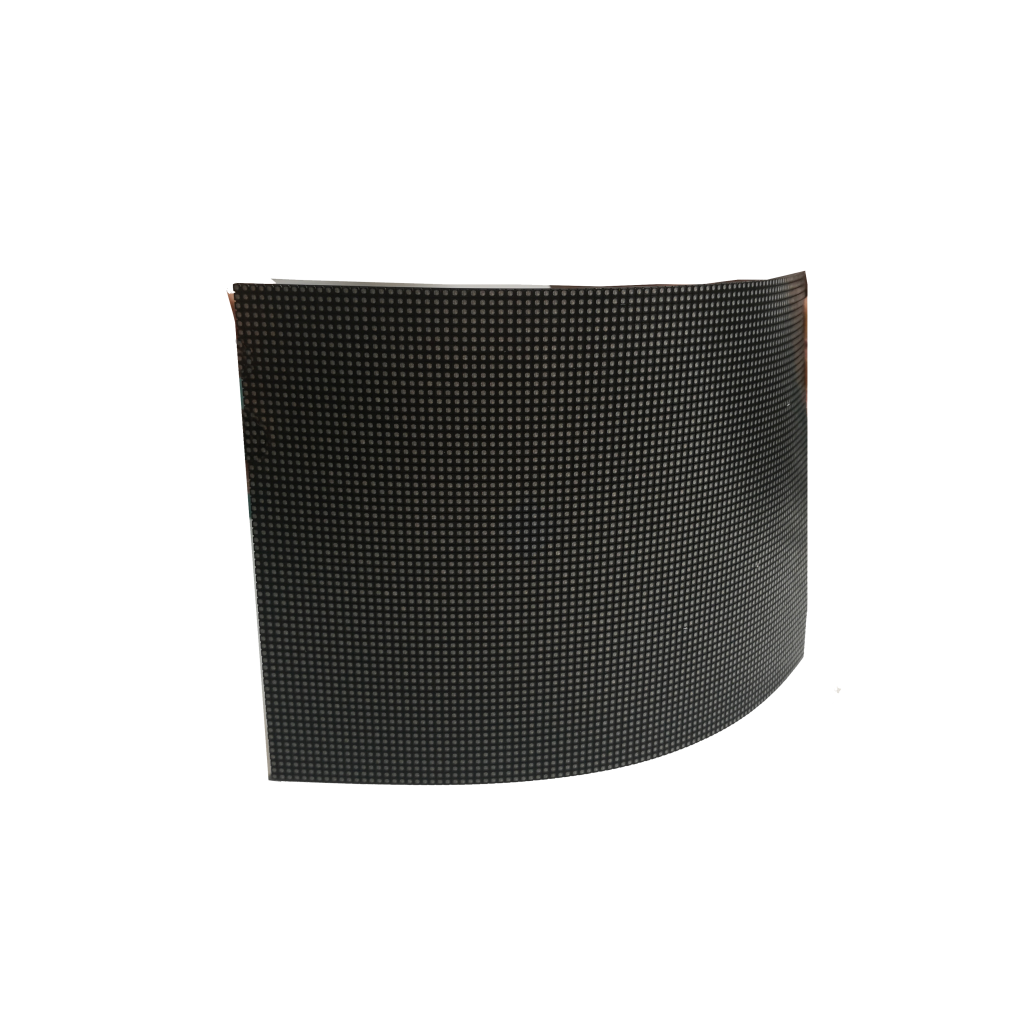


The Flexible Transparent LED Screen revolutionizes modern architecture with 6 key applications, including dynamic façades (covering 80% transparency) for energy-efficient buildings, interactive displays (brightness up to 5,000 nits) in malls, and seamless window integrations (bendable up to 180°) for retail. It enhances museum exhibits (resolution: 1920×1080), hotel lobbies (weight: only 8kg/m²), and stadium roofs (viewing angle: 160°), blending aesthetics with functionality while reducing installation complexity by 30% compared to traditional screens. (Data highlights: transparency, brightness, flexibility, and weight savings)
Bright and See-Through Billboards
These screens typically feature 70% to 90% transparency, allowing natural light to pass through while displaying vibrant content. The average screen size ranges from 2m x 3m to 10m x 20m, depending on the building facade, and they weigh just 5kg to 15kg per square meter.
A key advantage is their energy efficiency, consuming only 150W to 300W per square meter, which is 40% less power than traditional LED billboards. This translates to lower electricity bills (saving up to $200 per month per screen) and a smaller carbon footprint. The brightness level reaches 4,000 to 6,000 nits, while the contrast ratio is 10,000:1, making colors pop sharply. The average lifespan is 50,000 to 100,000 hours (5.7 to 11.4 years of continuous use).
These billboards are 95% customizable, allowing brands to display dynamic ads, real-time data (like weather or stock prices), or even interactive content. The refresh rate is 1,920Hz to 3,840Hz, eliminating flicker and ensuring smooth video playback. Installation is fast—most projects take 2 to 5 days, compared to 2 weeks for traditional glass ads. Maintenance is also simple, with modular panels that can be replaced individually (costing 300 per panel) instead of replacing the entire screen.
Businesses see a high ROI, with ad revenue increasing by 30% to 50% after installing these screens. For example, a 3m x 6m billboard in a busy city center can generate 10,000 monthly from advertisers. The viewing angle is 160° horizontally and 140° vertically. Some advanced models even support touch interactivity (response time < 8ms), turning static glass into engaging digital surfaces.
- Transparency: 70%–90% (balances ads & natural light)
- Size range: 2m x 3m to 10m x 20m (fits most facades)
- Weight: 5kg–15kg/m² (no extra structural support needed)
- Power consumption: 150W–300W/m² (40% less than traditional LEDs)
- Brightness: 4,000–6,000 nits (visible in sunlight)
- Lifespan: 50,000–100,000 hours (5.7–11.4 years continuous use)
- Installation time: 2–5 days (faster than traditional methods)
- Ad revenue boost: 30%–50% (for building owners)
- Monthly income: 10,000 (in prime locations)
- Viewing angle: 160° H / 140° V (wide visibility)
This technology is already being used in major cities like Tokyo, New York, and Dubai, where over 1,200 buildings have adopted transparent LED screens in the past 3 years. The cost per square meter is 5,000 (depending on specs), but the long-term benefits outweigh the initial investment.
Smart Glass for Buildings
These systems typically integrate LEDs between glass layers with transparency rates of 75%–85%. A standard installation might cover 50–200 m² per building facade, with each square meter consuming 120–250 W of power—30% less than conventional digital signage. The initial cost ranges from 4,000 per m², but this is offset by a lifespan of 60,000–100,000 hours (7–11 years of 24/7 operation) and energy savings of 300 annually per m² due to adaptive brightness controls.
One of the standout features is the ability to switch between transparent and display modes in under 0.5 seconds, with a screen refresh rate of 3840 Hz ensuring smooth motion without flicker. The average brightness is 4500–5500 nits, readable even under direct sunlight at 100,000 lux intensity. For thermal management, the glass operates efficiently in temperatures from -30°C to 70°C. In terms of durability, the panels withstand wind loads up to 150 km/h and have a impact resistance 5x higher than traditional glass.
In commercial settings, they can reduce lighting costs by 20%–40% by leveraging natural light during daytime hours. The return on investment (ROI) typically occurs within 2–4 years due to combined energy savings and potential advertising revenue. For example, a 100 m² installation in a high-traffic area can generate 15,000 monthly from ads if 30% of the screen time is allocated to promotions.
Below is a summary of key technical and economic parameters:
| Parameter Category | Specific Values and Ranges |
|---|---|
| Transparency Rate | 75%–85% |
| Power Consumption | 120–250 W/m² |
| Lifespan | 60,000–100,000 hours (7–11 years) |
| Initial Cost | 4,000 per m² |
| Annual Energy Savings | 300 per m² |
| Brightness (Nits) | 4500–5500 |
| Operating Temperature | -30°C to 70°C |
| Wind Load Resistance | Up to 150 km/h |
| ROI Period | 2–4 years |
| Monthly Ad Revenue | 150 per m² (in prime locations) |
| Switching Speed | <0.5 seconds |
| Refresh Rate | 3840 Hz |
Installation is streamlined, taking 3–10 days for most medium-sized projects, and maintenance involves replacing individual LED modules (500 per unit) rather than the entire surface. With over 500 projects implemented globally in the last 2 years.

Displays in Retail Windows
These installations typically feature 80–88% transparency. Standard sizes range from small 1.5m x 2m windows to large 10m x 4m storefronts, with each square meter weighing 6–12 kg—light enough for most existing structures. Power consumption is low, at 100–200W per m², roughly 35% less than traditional digital displays, saving retailers 120 monthly per m² in electricity costs depending on local rates.
The screens boast 5000–6000 nits brightness for clear visibility in daylight and a 160° viewing angle to capture foot traffic from multiple directions. Content updates are instant—remote management via cloud platforms allows changes in under 10 seconds, and the refresh rate of 3840Hz eliminates motion blur for video playback. Retailers report a 20–40% increase in foot traffic and a 15–30% boost in sales for products highlighted on these displays, as they can showcase real-time inventory, flash deals, or interactive elements (like QR codes scanned by 25% of viewers). For example, a mid-sized clothing store using a 4m² window display recorded 7,000 in additional monthly revenue from promoted items.
Durability is key: these screens operate in temperatures from -20°C to 60°C and have a lifespan of 70,000–100,000 hours (8–11 years), with minimal maintenance. If a module fails, replacement costs 400 per panel and takes under 30 minutes. Installation is quick—most retail projects complete in 2–4 days—to avoid disrupting business. The average cost is 5,000 per m², but the ROI is achieved within 6–18 months due to higher sales and reduced traditional advertising costs.
- Transparency: 80–88% (maintains window shopping experience)
- Power Usage: 100–200W/m² (saves 120/month/m² in energy)
- Brightness: 5000–6000 nits (visible in direct sunlight)
- Viewing Angle: 160° (wide visibility from sidewalks)
- Content Update Speed: <10 seconds (cloud-based management)
- Sales Lift: 15–30% for featured products
- Foot Traffic Increase: 20–40% (draws more entrants)
- Lifespan: 70,000–100,000 hours (8–11 years)
- Installation Time: 2–4 days (minimal store disruption)
- ROI Period: 6–18 months (fast payback from revenue gains)
- Module Replacement Cost: 400 (per faulty panel)
Over 3,000 retail stores worldwide have adopted this technology in the past 2 years, with 90% renewing or expanding their installations after the first year.
Light Up Event Spaces
These screens typically feature 70–85% transparency. A common setup for a mid-sized event might use modular panels totaling 20–100 m², with each panel weighing 8–15 kg/m² for easy rigging and quick installation—most setups complete in under 6 hours using a team of 3–5 technicians. Power consumption is efficient, averaging 180–300W per m², which is 25% lower than conventional LED walls, reducing generator needs and saving 250 per event in energy costs for a 50 m² display.
The brightness ranges from 4500 to 6500 nits, ensuring content remains vivid under stage lighting exceeding 1000 lux intensity, while the 160° viewing angle guarantees visibility for audiences of 500–10,000 people. Content can be updated in real-time via wireless control with a latency of less than 20ms, crucial for live broadcasts or interactive sessions. Event planners report a 30–50% increase in audience engagement when using these screens for dynamic visuals, sponsor ads. For example, a tech conference using a 40 m² screen recorded a 40% higher sponsor recall rate and 20% more attendee participation in polls displayed on the transparent surface.
Durability meets the demands of frequent transport: the screens operate in temperatures from -10°C to 50°C and withstand humidity levels up to 85%, with a lifespan of 60,000–80,000 hours (7–9 years of event use). Maintenance costs are low—module replacement costs 500 per unit and takes under 15 minutes onsite. The rental price for events ranges from 800 per m² per week, while outright purchase costs 6,000 per m², though many venues achieve ROI within 12–24 months due to increased booking rates and premium charging options. For instance, venues charging 10–20% higher fees for events featuring this technology see a 25% rise in repeat bookings due to its visual impact.
Over 1,500 major events globally have integrated these screens in the past 18 months, with 95% of event planners rating them as “high impact” for audience experience.Additionally, the screens’ light transmission properties reduce the need for extra stage lighting by up to 30%, cutting overall production costs. With load capacities supporting wind loads up to 15 m/s and vertical installations up to 20m height.
Creative Art Installations
These installations prioritize high transparency (75–90%) to preserve the artwork’s context while overlaying digital layers, with common sizes ranging from small 5m² pieces to large 100m² immersive environments. The panels weigh 6–12 kg/m², enabling suspension, curvature (bend radii as tight as 100mm), or free-standing setups, and consume 120–250W per m²—30% less power than conventional LED art displays. This efficiency reduces operating costs by 200 monthly per 10m², critical for long-term exhibitions.
Artists and galleries report a 40–60% increase in visitor engagement and 25% longer average dwell times when using these screens for interactive or evolving visuals. For example, a museum in Berlin recorded a 50% rise in ticket sales after installing a 20m² transparent LED wall that responded to viewer movements with real-time generative art (response time < 50ms). The 4K resolution (3840 x 2160 pixels) and 10,000:1 contrast ratio ensure sharp imagery, while the 120Hz refresh rate supports smooth animation and VR integrations. Durability is robust: these screens operate in -20°C to 60°C and withstand humidity up to 90%, with a lifespan of 70,000–100,000 hours (8–11 years) even in high-traffic spaces.
| Parameter | Value Range |
|---|---|
| Transparency | 75%–90% |
| Weight | 6–12 kg/m² |
| Power Consumption | 120–250W/m² |
| Bend Radius | ≥100mm |
| Resolution | 4K (3840 x 2160 px) |
| Refresh Rate | 120Hz |
| Operating Temperature | -20°C to 60°C |
| Lifespan | 70,000–100,000 hours (8–11 years) |
| Installation Time | 3–10 days (for 50m²) |
| Cost per m² | 6,000 (depending on complexity) |
Installation typically takes 3–10 days for a 50m² piece, with modular panels allowing on-site adjustments and maintenance costs averaging 600 per replaced module. The initial investment ranges from 6,000 per m², but institutions see ROI within 6–18 months through increased attendance, sponsorship, or grants. For instance, a public art fund in Tokyo recovered costs in 12 months by attracting 50,000 additional visitors annually and securing $150,000 in corporate sponsorships for digital ad space within the artwork.
- Visitor Engagement Increase: 40–60% (via interactive content)
- Dwell Time Increase: 25% (longer viewer interaction)
- Energy Cost Savings: 200/month/10m² (vs. traditional displays)
- Response Time: <50ms (for real-time interactivity)
- Sponsorship Revenue: Up to $150,000/year (for large installations)
- ROI Period: 6–18 months (from attendance and sponsorship gains)
Over 500 major art installations have adopted this technology since 2022, with 90% of artists praising its blend of aesthetics and functionality. With a peak brightness of 5000 nits for daylight visibility and 178° viewing angles.


![How to Choose a Flexible LED Display [Buyer's Guide]](https://www.szradiant.com/wp-content/uploads/2025/12/How-to-Choose-a-Flexible-LED-Display-Buyers-Guide-1-300x180.jpg)


