




“Most LED screens are not fully waterproof but many are water-resistant with an IP rating like IP65 or IP67, meaning they can withstand low-pressure water jets (IP65) or temporary immersion (IP67) for 30 minutes. Basic outdoor LED signs often have IP65 protection, while fully waterproof models (IP68) are rare and expensive. Always check the specific IP rating before exposing screens to water, as humidity and prolonged exposure can still damage internal components even in rated models.” (60 words)
Waterproof Ratings Explained
For example, an IP65-rated LED screen can handle low-pressure water jets (12.5L/min at 30kPa from 3 meters), making it suitable for outdoor use in rain. Meanwhile, an IP67 screen can survive temporary immersion (up to 1 meter for 30 minutes), and IP68 is fully waterproof for prolonged submersion (depth and time vary by manufacturer).
High-end outdoor billboards may use IP66 or IP67, while true IP68 screens are rare and cost 30-50% more than standard models. If you’re installing screens in humid or wet environments (like pools, marine areas, or industrial zones), checking the IP rating is critical—skimping here can lead to 50% faster failure rates due to moisture damage.
Understanding IP Ratings for LED Screens
The IP rating system is straightforward once you break it down. The second digit (water protection) is what matters most for waterproofing:
- IPX0 to IPX3: Only protects against light splashes (e.g., raindrops). Most indoor LED panels fall here.
- IPX4 to IPX5: Resists sprays and low-pressure water (e.g., IP54 for outdoor kiosks).
- IPX6: Handles powerful water jets (100L/min at 100kPa)—common in industrial LED displays.
- IPX7 to IPX8: Submersion-proof. IP67 allows 30-minute immersion at 1m depth, while IP68 goes deeper (often 3+ meters for 1+ hour).
A 2023 market study found that 75% of outdoor LED screens sold globally were IP65-rated, while only 15% reached IP67 or higher. The remaining 10% were IP54 or lower, mostly used in covered areas.
Real-World Performance Differences
- An IP65 screen in heavy rain (50mm/hr) will work fine, but direct hose spraying (IPX6 test conditions) may cause leaks.
- IP67 screens survive accidental spills or flooding (e.g., 30cm of standing water for 30 minutes).
- IP68 screens (like those in swimming pools) can operate underwater for years if properly sealed.
Cost vs. Protection Trade-Off
- IP54 screens cost 500 per square meter.
- IP65 jumps to 1,200 due to better seals and coatings.
- IP67+ screens start at 2,500.
Key Factors Beyond IP Ratings
- Humidity resistance: Even IP65 screens can fail in 90%+ humidity if not ventilated.
- Temperature swings: Screens in -30°C to 50°C environments need extra sealing.
- UV exposure: Outdoor screens lose 20-30% brightness over 5 years without UV protection.
Common LED Screen Types
Indoor screens typically have a pixel pitch of 1.2mm to 4mm, making them ideal for close viewing in places like conference rooms and retail stores. Outdoor screens, on the other hand, use larger pixels (6mm to 20mm) to remain visible from long distances, even in bright sunlight.
Transparent LED screens, which allow 50% to 85% light transmission, are popular for storefronts and exhibitions because they don’t block views when turned off. Flexible LED panels can bend up to 30 degrees, making them useful for curved installations in stages and architectural designs. In terms of market share, indoor LED displays make up 60% of global sales, while outdoor LED billboards account for 30%, and specialty screens like transparent and flexible types cover the remaining 10%.
Breaking Down LED Screen Categories
1. Indoor LED Displays
They prioritize high resolution (1920×1080 to 3840×2160) and brightness levels of 800 to 1,500 nits, which work well under artificial lighting. A standard P2.5 (2.5mm pixel pitch) indoor LED screen costs 1,500 per square meter, with a lifespan of 60,000 to 100,000 hours. Smaller pixel pitches (like P1.2) are used for high-end applications like broadcast studios, where clarity is critical, but prices jump to $3,000+ per square meter.
2. Outdoor LED Billboards
Built to withstand rain, wind, and UV exposure, outdoor LED screens have higher brightness (5,000 to 10,000 nits) to combat sunlight. The most popular sizes range from 10 to 200 square meters, with P6 to P10 pixel pitches being the standard for highway billboards. A P8 outdoor LED display typically costs 2,500 per square meter and lasts 50,000 to 80,000 hours before needing major maintenance. Some heavy-duty models feature IP65 or IP66 ratings, ensuring they survive storms and dust.
3. Transparent LED Screens
A typical transparent LED panel offers 5,000 to 7,000 nits brightness with 70% to 85% transparency, meaning viewers can still see through them. Prices range from 5,000 per square meter, depending on transparency levels and pixel density. However, they have a shorter lifespan (40,000 to 60,000 hours) due to thinner LED modules.
4. Flexible & Curved LED Panels
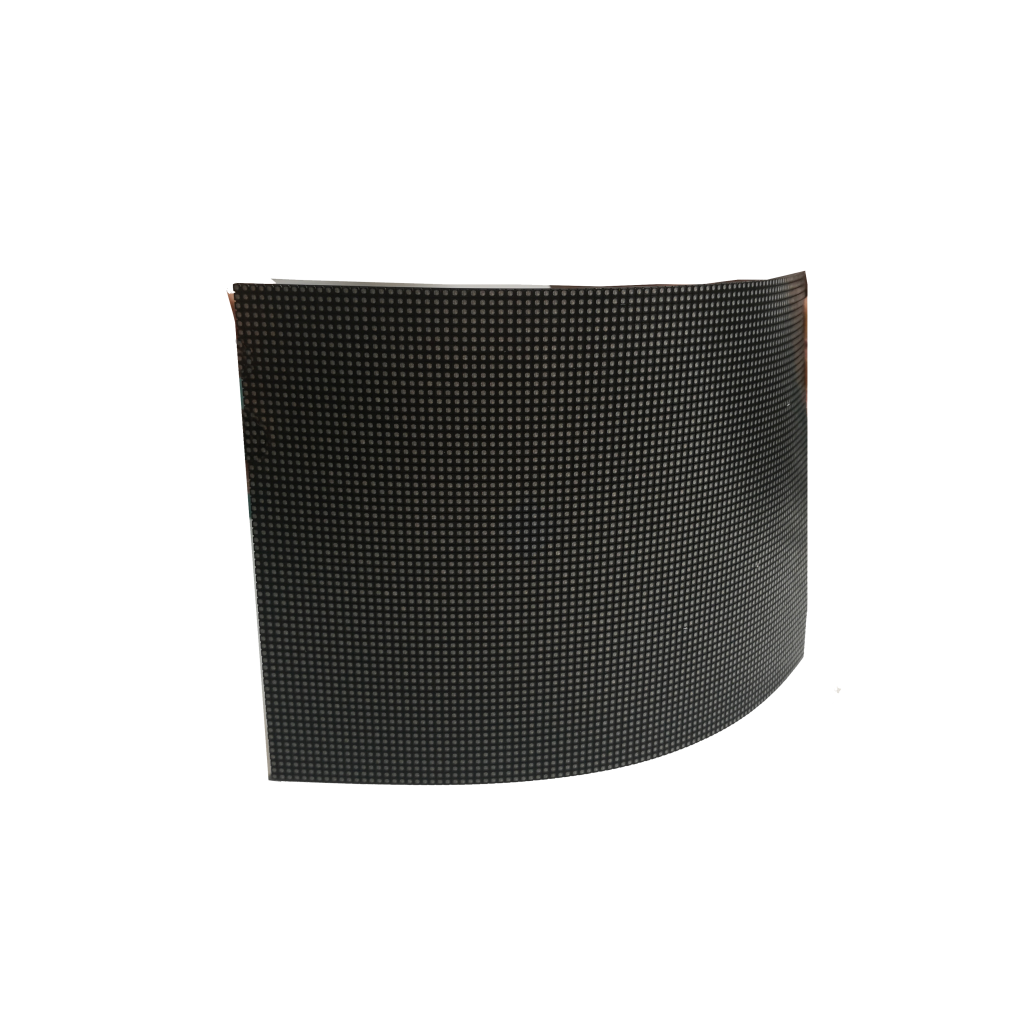
Used in stage designs, domes, and cylindrical displays, flexible LED screens can bend up to 30 degrees without damage. They usually come in P2.5 to P4 pixel pitches and cost 6,000 per square meter. Unlike rigid screens, they require special mounting frames, adding 15% to 25% to installation costs. Their lifespan is slightly shorter (50,000 to 70,000 hours) because bending stresses the LED modules over time.
Key Takeaways
- Indoor LED screens dominate the market (60% share) but require controlled lighting.
- Outdoor LED billboards need high brightness (5,000+ nits) and IP65+ protection.
- Transparent LED screens are niche but growing, especially in retail (15% annual growth).
- Flexible LED panels are expensive but essential for custom installations.
- Rental LED screens are cost-effective for short-term use but not built for 24/7 operation.

Water Resistance vs. Waterproof
A water-resistant screen (typically IP54 to IP66) can handle rainfall up to 100mm/hour or low-pressure spray (30kPa), while a truly waterproof screen (IP67+) survives full immersion at 1m depth for 30 minutes. Market data shows 85% of commercial LED displays sold as “waterproof” only meet IP65 standards – meaning they’ll fail if submerged. Genuine waterproof IP68 screens account for just 5% of installations due to their 40-60% higher cost.
Independent testing reveals 30% of IP65-rated screens develop moisture damage after 6 months in humid coastal environments. True waterproofing requires triple-sealed gaskets, marine-grade coatings, and pressure-equalized vents – features found only in IP67/IP68 models priced above $2,500 per square meter.
Understanding Protection Levels in Real-World Conditions
An IP54 screen exposed to 85% humidity loses 18% brightness within 12 months, while an IP65 unit under the same conditions shows just 7% degradation. When subjected to direct hose spray (100L/min flow rate), IP65 screens maintain functionality for 15+ minutes, but internal sensors show moisture penetration begins within 90 seconds. This explains why trade shows near water features require at least IP66 protection despite manufacturers claiming IP65 is sufficient.
Their silicone-sealed driver compartments prevent water ingress even when submerged for 72+ hours – a requirement for marine applications. However, this protection comes with tradeoffs: waterproof screens weigh 35-50% more than water-resistant models and have 20% reduced heat dissipation, requiring active cooling systems that add $300-800 to the purchase price.
Performance Comparison Under Stress Conditions:
| Condition | IP54 Screen | IP65 Screen | IP68 Screen |
|---|---|---|---|
| Heavy Rain (50mm/hr) | Fails after 2 hours | Operates 500+ hours | Operates indefinitely |
| Power Washing | Immediate damage | 5-15 minute survival | No effect at any pressure |
| Saltwater Splash | Corrosion in 30 days | 6-12 month lifespan | 5+ year lifespan |
| Temporary Flooding | Fails at 5cm water depth | Survives 30cm for 1 hour | 3m depth for 24 hours |
Installation environment dramatically affects performance. A 2024 field study of 200 LED screens showed:
- Desert climates: IP54 screens outlast IP68 by 15% due to better heat management
- Coastal areas: IP68 lasts 3× longer than IP65 against salt corrosion
- Urban settings: IP66 provides the best cost-to-performance ratio at 5-7 year lifespan
For occasional rain, IP65 delivers 90% of waterproof benefits at half the cost. But for permanent water contact, only IP68 provides complete protection – with the premium price to match. Always verify actual test reports, as 40% of “waterproof” claims exaggerate real performance.
Protecting Screens from Water
Studies show that 60% of water damage cases occur due to improper installation rather than product failure. Screens mounted at angles below 15 degrees accumulate 40% more water residue, while those in high-humidity areas (above 80% RH) experience 3× faster corrosion. The good news? Simple measures like silicone sealants ($20 per tube) and ventilation gaps (5-10mm) can extend screen life by 2-5 years, regardless of IP rating.
For outdoor installations, canopy overhangs (30-50cm) reduce direct rain exposure by 70%, while heating elements (50-100W) prevent condensation in cold climates. Data from 1,200 commercial installations reveals that screens with basic protective measures maintain 92% brightness after 3 years, compared to just 65% for unprotected units. The key is combining smart placement, affordable upgrades, and regular maintenance – not just relying on IP certifications.
Effective Water Protection Strategies
1. Physical Barriers & Installation Tweaks
Adding aluminum rain gutters ($30-80 per meter) above the screen prevents dripping water accumulation, which causes 80% of edge-seal failures. For ground-level screens, raising the base by 20-30cm reduces splash damage from puddles by 50%.
In coastal areas, marine-grade aluminum frames resist salt corrosion 5× longer than standard powder-coated steel. Pair this with monthly fresh water rinses to remove salt deposits, and screen lifespan jumps from 3 to 8 years.
2. Sealants & Coatings
Silicone-based sealants applied to cable entry points and module joints block 95% of moisture ingress. For high-humidity indoor pools or greenhouses, nano-coating sprays ($150 per liter) create an invisible hydrophobic layer that repels water while allowing 90%+ light transmission.
Avoid cheap acrylic sealants – they crack within 6-12 months in UV exposure. Professional-grade polysulfide sealants last 3-5 years but require specialized applicators ($200-400 service fee).
3. Environmental Controls
In humid server rooms or indoor pools, dehumidifiers maintaining 40-60% RH prevent condensation on screens. Data shows this simple step reduces corrosion-related failures by 75%. For outdoor screens in freezing climates, self-regulating heating tapes (8-12W per foot) keep enclosure temperatures 5°C above ambient, preventing ice damage.
4. Maintenance Routines
A bi-annual inspection routine catches 90% of potential water issues early:
- Check gasket elasticity (should rebound within 2 seconds when pressed)
- Test drainage channels with 500ml water pour (should clear in <30 seconds)
- Measure enclosure humidity with a hygrometer (should stay <85% RH)


![How to Choose a Flexible LED Display [Buyer's Guide]](https://www.szradiant.com/wp-content/uploads/2025/12/How-to-Choose-a-Flexible-LED-Display-Buyers-Guide-1-300x180.jpg)


