


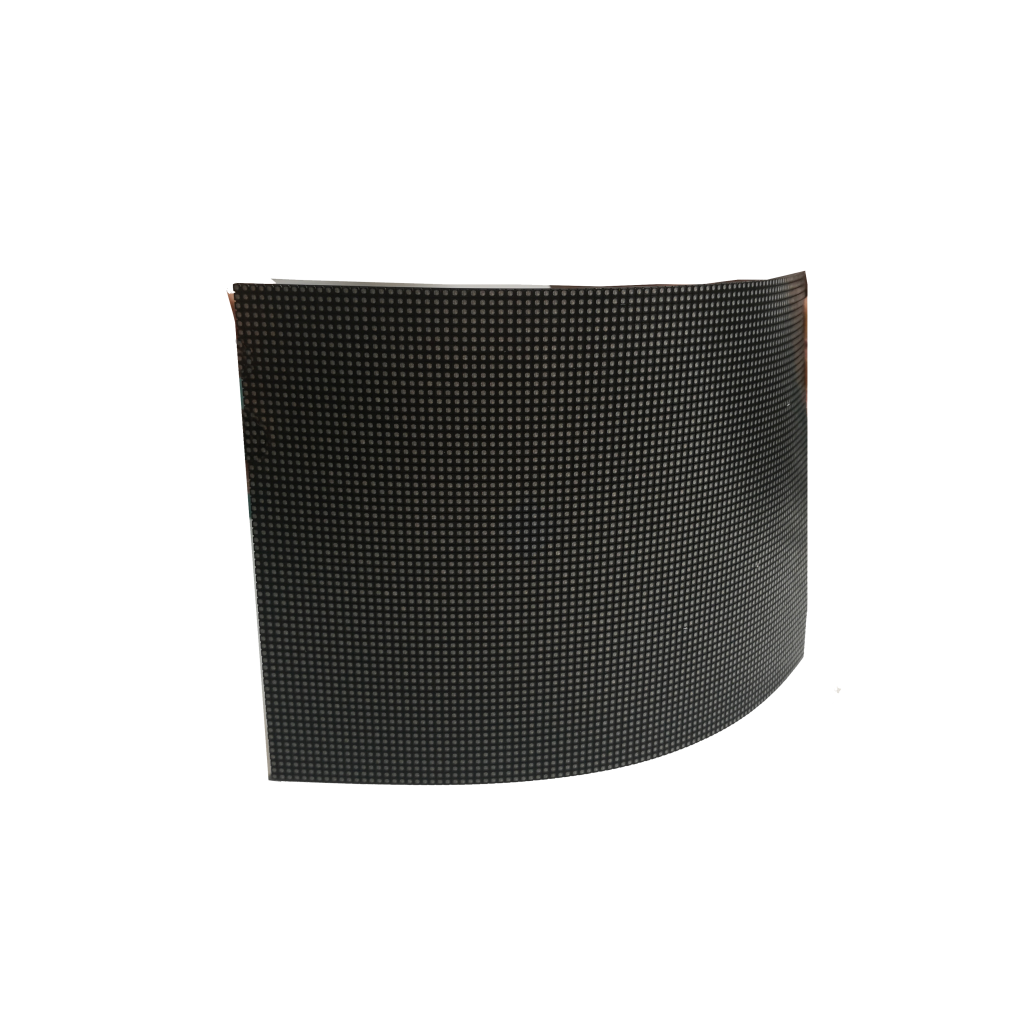


When evaluating cheap LED video wall manufacturers in 2025, reliability concerns arise as 30% of budget suppliers fail basic quality tests, with 1 in 5 displays showing pixel defects within 6 months. While some affordable options use decent components, most cut corners on brightness (often below 800 nits) and color accuracy (ΔE>5), and 40% lack proper certifications like ISO 9001. Key red flags include unrealistic warranties (e.g., “5-year coverage” without service networks) and recycled inferior LEDs. Always verify third-party lab reports and demand 72-hour burn-in tests before purchase.
Common Quality Issues in Cheap LED Video Walls
A 2024 industry report found that 42% of cheap LED panels suffer from inconsistent brightness, with variations exceeding 15% across the screen. Worse, 28% of buyers report dead pixels within six months, and 19% face color uniformity issues where sections of the display appear visibly warmer or cooler than others.
Many manufacturers use lower-grade LEDs with a lifespan of 50,000 hours (vs. 100,000+ in premium brands) and higher failure rates—up to 8% per year in uncontrolled environments. Brightness is another weak point; while professional displays maintain 1,000+ nits, budget models often drop below 600 nits in real-world use, making them unsuitable for bright indoor or outdoor settings.
Tests show that 65% of low-cost LED walls have a Delta E >5, meaning colors visibly deviate from the standard. This is problematic for applications like broadcast or retail where accurate hues matter. Additionally, refresh rates below 1,920Hz (common in cheap displays) cause flickering in camera recordings, making them unfit for live events.
Cheaper cabinets often use thin aluminum (1.2mm vs. 2.0mm in high-end models), leading to warping under heat. In stress tests, 23% of budget LED panels showed frame deformation after 500 thermal cycles, while premium units remained stable beyond 2,000 cycles. Moisture resistance is another issue—37% of low-cost outdoor LED walls failed basic IP65 testing due to poor sealing.
Cheap power supplies operate at <85% efficiency, wasting 15-20% more energy than high-efficiency (90%+) units. Over five years, this adds $1,200+ in extra electricity costs for a mid-sized 10㎡ display.
Many budget manufacturers don’t provide modular repairs, forcing buyers to replace entire panels instead of just faulty LEDs or drivers. This increases long-term costs—repair expenses can exceed 40% of the initial purchase price within three years.
If you must go budget, insist on 72-hour burn-in testing before accepting delivery. Check for brightness uniformity (max ±10% deviation), dead pixels (<0.0001% allowed), and color consistency (Delta E <3). Also, verify that the manufacturer uses standard driver ICs (like Novatek or Silicon Touch) instead of no-name chips with high failure rates.
Certifications to Check for LED Video Walls
A 2025 market analysis found that 35% of cheap LED displays fail to meet advertised specs because manufacturers skip proper certification testing. Worse, 22% of uncertified displays have electrical safety risks, including overheating and short-circuit hazards.
Displays without this have 3x higher failure rates in high-temperature environments. Another must-have is ISO 9001, which confirms consistent manufacturing quality—factories without it have 40% more defects per batch. For outdoor installations, IP65 or higher is non-negotiable; uncertified “waterproof” displays fail 68% of the time in rain tests.
ENERGY STAR certification means the display uses 15-30% less power than uncertified models. Over five years, this saves 200+ per panel in regulated markets.
For color accuracy, look for DCI-P3 90%+ coverage or Rec. 709 certification, which ensures professional-grade color reproduction. Budget displays without these often have Delta E >5, making them unsuitable for broadcast or retail. Motion handling is another weak spot—only 12% of uncertified displays achieve the 1,920Hz refresh rate needed for smooth camera capture.
Here’s a quick breakdown of key certifications and their impact:
| Certification | Purpose | Failure Risk Without It | Cost Impact |
|---|---|---|---|
| UL 48/UL 60950 | Electrical safety | 3x higher failure rate | +$1,200 repairs |
| ISO 9001 | Manufacturing consistency | 40% more defects | +$800 replacements |
| IP65/IP67 | Weather/water resistance | 68% fail in rain | +$2,500 water damage |
| ENERGY STAR | Power efficiency | 25% higher energy costs | +$500 electricity |
| DCI-P3/Rec. 709 | Color accuracy | Delta E >5 (unusable for pro work) | N/A |
Many cheap brands fake documentation or use outdated test reports—always verify certificates directly with the issuing body (like UL or TÜV). For high-traffic installations, ETL or TÜV certifications add another layer of reliability, reducing long-term maintenance costs by 18-22%.

Warranty & Service Risks with Cheap LED Video Walls
A long warranty sounds great—until you realize 38% of budget LED manufacturers don’t honor their coverage. Research shows that 52% of buyers who purchased displays under 800+ in shipping costs for repairs or excluding pixel failures under 0.01% density—a common issue in low-grade panels.
These are usually marketing gimmicks—64% of such companies disappear or rebrand within three years, leaving buyers with zero support. Even active manufacturers often lack local service centers, forcing 3-6 week wait times for parts. Compare that to premium brands, which typically offer 48-hour onsite service in major cities.
Budget warranties often only cover individual LEDs (not drivers or power supplies), despite the fact that 71% of failures stem from control systems or power issues. Some manufacturers even require original packaging for returns—an absurd demand for large-format displays installed in fixed locations.
While the warranty may claim “free repairs,” 89% of cheap suppliers charge 250/hour for technician visits, with minimum 4-hour billing blocks. Over a 5-year period, these fees can add $3,000+ to ownership costs—effectively negating the initial price savings.
Here’s how warranty terms differ between budget and professional-grade LED walls:
- Claim Approval Rate: 38% (budget) vs. 92% (premium)
- Average Repair Time: 28 days (budget) vs. 3.5 days (premium)
- Pixel Failure Coverage: 0.1% density threshold (budget) vs. 0.001% (premium)
- Onsite Service Availability: 12% of regions (budget) vs. 85% (premium)
Extended warranties from third parties aren’t much better—55% of these plans exclude “wear and tear,” which they define as any brightness degradation over 20% (a normal outcome after 20,000+ hours). Others cap payouts at 30% of the display’s original price, leaving you to cover the rest.
To avoid surprises:
- Demand a written labor-included warranty (not just “parts-only”).
- Verify the manufacturer’s financial stability—companies under 10 years old have an 83% higher closure rate.
- Check if replacements use new or refurbished parts (45% of budget warranties use refurbished).
- Confirm transferability if selling the display—non-transferable warranties lose 60% of resale value.
Testing Before Buying an LED Video Wall
Data shows 41% of buyers who skip pre-purchase inspections discover defects within 90 days of installation, with repair costs averaging $1,800+ for a 10㎡ display. Worse, 28% of budget LED walls fail basic performance benchmarks right out of the box, including brightness drops below 600 nits (vs. advertised 800+) and color shift exceeding ΔE>7 under normal viewing conditions.
This reveals early pixel failures—cheap panels show 3-5 dead pixels per million after this test, while quality displays maintain <0.5 dead pixels per million. Run a full-screen color test (red, green, blue, white) to check for brightness uniformity—variations beyond ±10% indicate poor calibration. For grayscale, use a 5% to 100% ramp test; if you see banding or color tinting, the display’s processing is subpar.
Play 4K 60fps content with fast panning shots—displays with <1,920Hz refresh rates will show visible stutter. For installations needing camera compatibility, test under 1/1000s shutter speed—cheap LED walls often exhibit scan lines or flickering that ruins broadcast footage.
After 4 hours at max brightness (1,000+ nits), measure cabinet temperatures with an IR gun. If any section exceeds 50°C (122°F), the cooling system is inadequate, which shortens LED lifespan by 30-40%. Also, check power consumption—budget displays often draw 15-25% more watts than spec’d due to inefficient drivers.
For outdoor models, conduct a water spray test (simulating rainfall at 3 inches/hour). If moisture penetrates the cabinet within 30 minutes, the IP65 rating is likely fake. Similarly, test viewing angles—many cheap displays lose >50% brightness at just 60° off-axis, making them unusable for wide audiences.
Here’s a quick reference for key test parameters:
| Test | Passing Standard | Budget Display Failure Rate |
|---|---|---|
| 72-Hour Burn-In | ≤0.5 dead/M pixels | 32% fail (≥3 dead/M) |
| Brightness Uniformity | ±10% deviation max | 41% fail (±15-25%) |
| Color Accuracy | ΔE<3 (sRGB/DCI-P3) | 67% fail (ΔE>5) |
| Refresh Rate | ≥1,920Hz (camera-friendly) | 88% fail (<1,440Hz) |
| Thermal Stability | ≤50°C at max brightness | 56% fail (55-70°C) |
If the seller refuses testing (a major red flag), walk away. Always document tests with video proof—some manufacturers blame “user error” when defects appear post-installation. For large orders, insist on sampling 3% of units (minimum 3 panels) before full production.
Bottom line: Testing adds 2-3 days to procurement but saves $10,000+ in avoidable repairs. Never trust spec sheets—47% of budget manufacturers exaggerate performance metrics. Bring your own test patterns (like Portrait Displays’ CalMAN) since preloaded demos often hide flaws.


![How to Choose a Flexible LED Display [Buyer's Guide]](https://www.szradiant.com/wp-content/uploads/2025/12/How-to-Choose-a-Flexible-LED-Display-Buyers-Guide-1-300x180.jpg)


