




HOB LED Advantages for Video Walls: 7 Performance Insights
HOB LEDs excel in video walls with 7 key advantages: higher brightness (up to 10,000 nits) for vivid visuals, lower power consumption (30% less than SMD), and seamless viewing angles
HOB LEDs excel in video walls with 7 key advantages: higher brightness (up to 10,000 nits) for vivid visuals, lower power consumption (30% less than SMD), and seamless viewing angles

Installing transparent LED film screens involves 5 key steps: 1) Measure and clean the glass surface (ensure >95% transparency); 2) Align the film precisely (±2mm tolerance); 3) Secure adhesive layers;
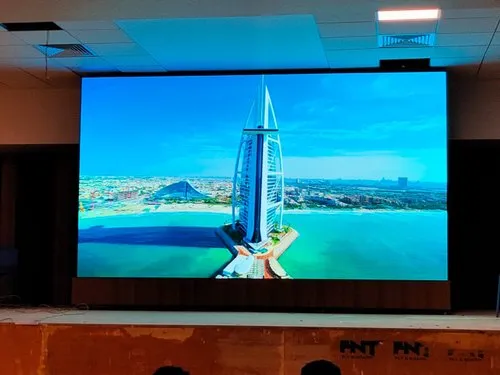
Here’s a concise 60-word guide for sizing large LED displays: For optimal visibility, ensure a 10mm pixel pitch for every 10ft viewing distance—e.g., a 20ft distance requires ≤2mm pitch. Measure
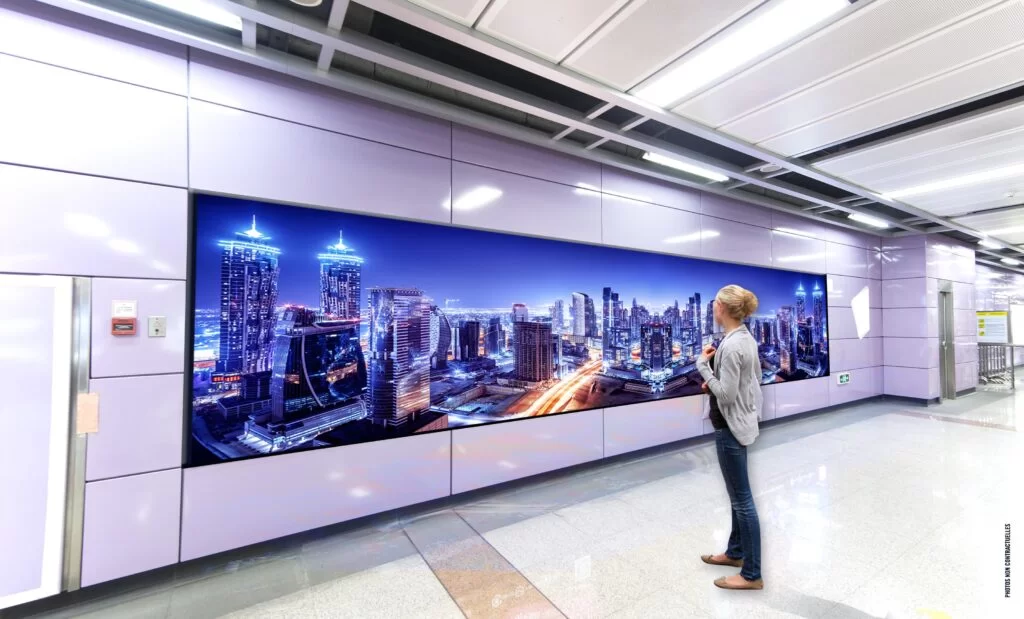
When choosing between indoor and outdoor LED screens, consider brightness (indoor: 500-1,500 nits; outdoor: 5,000-10,000 nits), weather resistance (outdoor requires IP65+ waterproofing), viewing distance (indoor P2.5-P10mm pixel pitch vs. outdoor

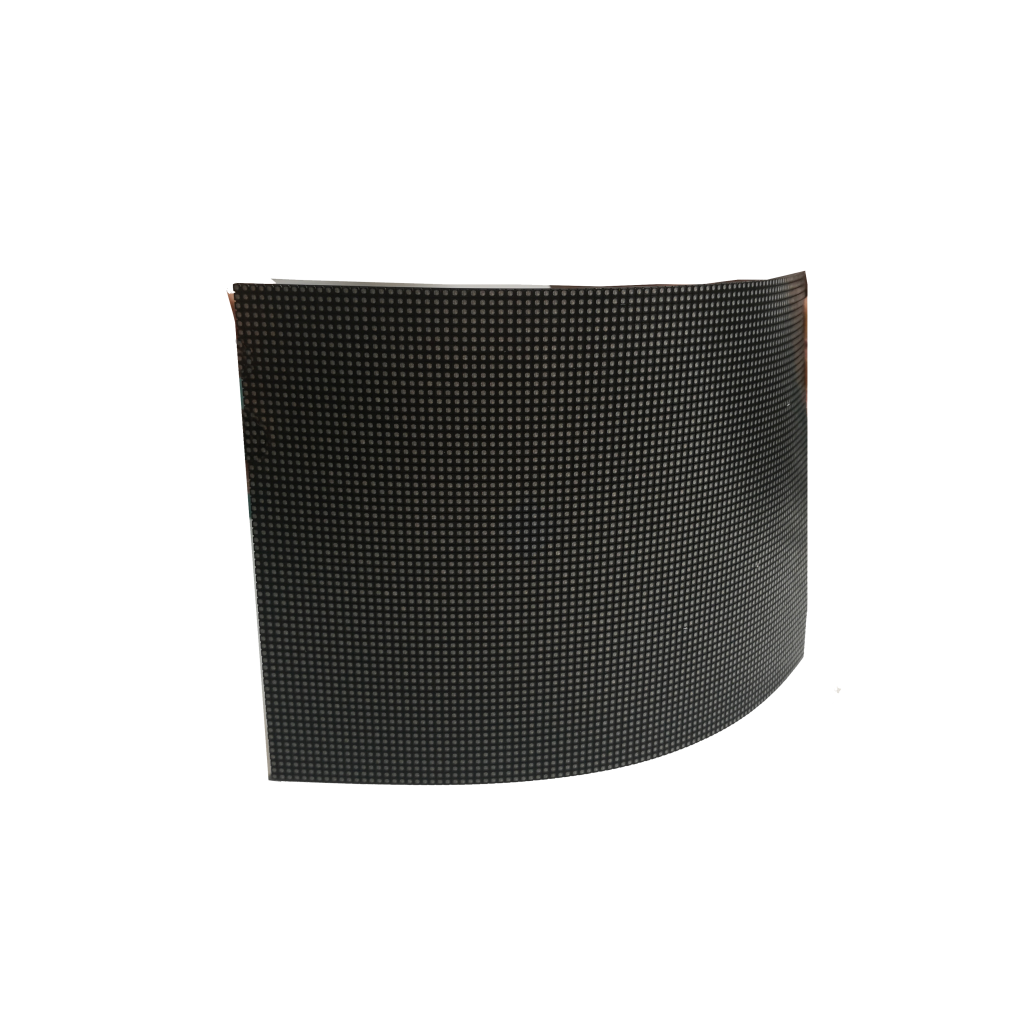
To install flexible LED panels, measure your space accurately (allow ±2mm tolerance) and clean the surface thoroughly. Use 3M VHB adhesive tape (0.5mm thick) for mounting, ensuring even pressure. For
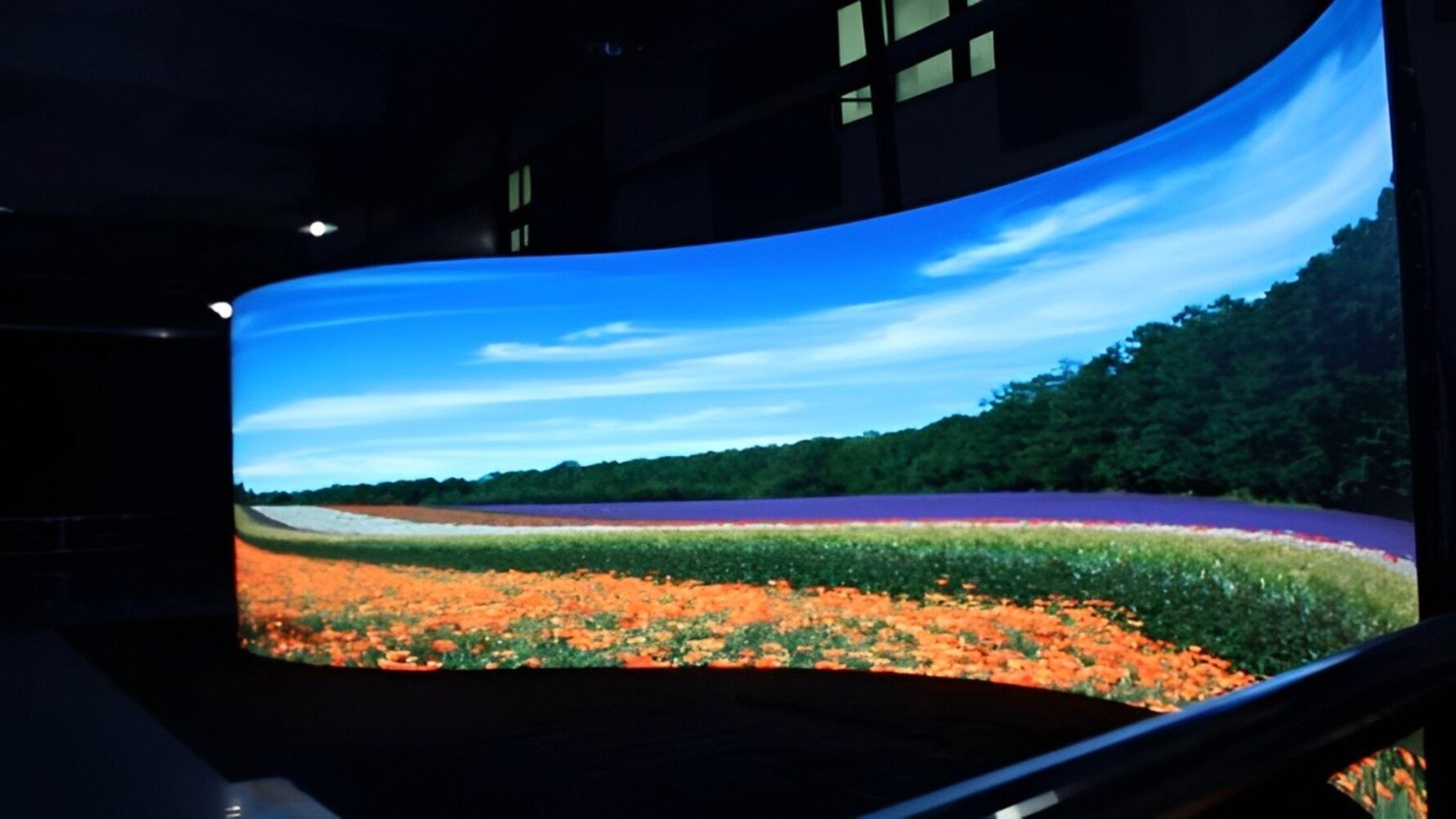
Designing customized LED display solutions involves 6 key steps: 1) Assess needs (e.g., indoor/outdoor, size, pixel pitch 2mm-20mm), 2) Select panel type (flexible, transparent, or rigid), 3) Choose resolution (4K